
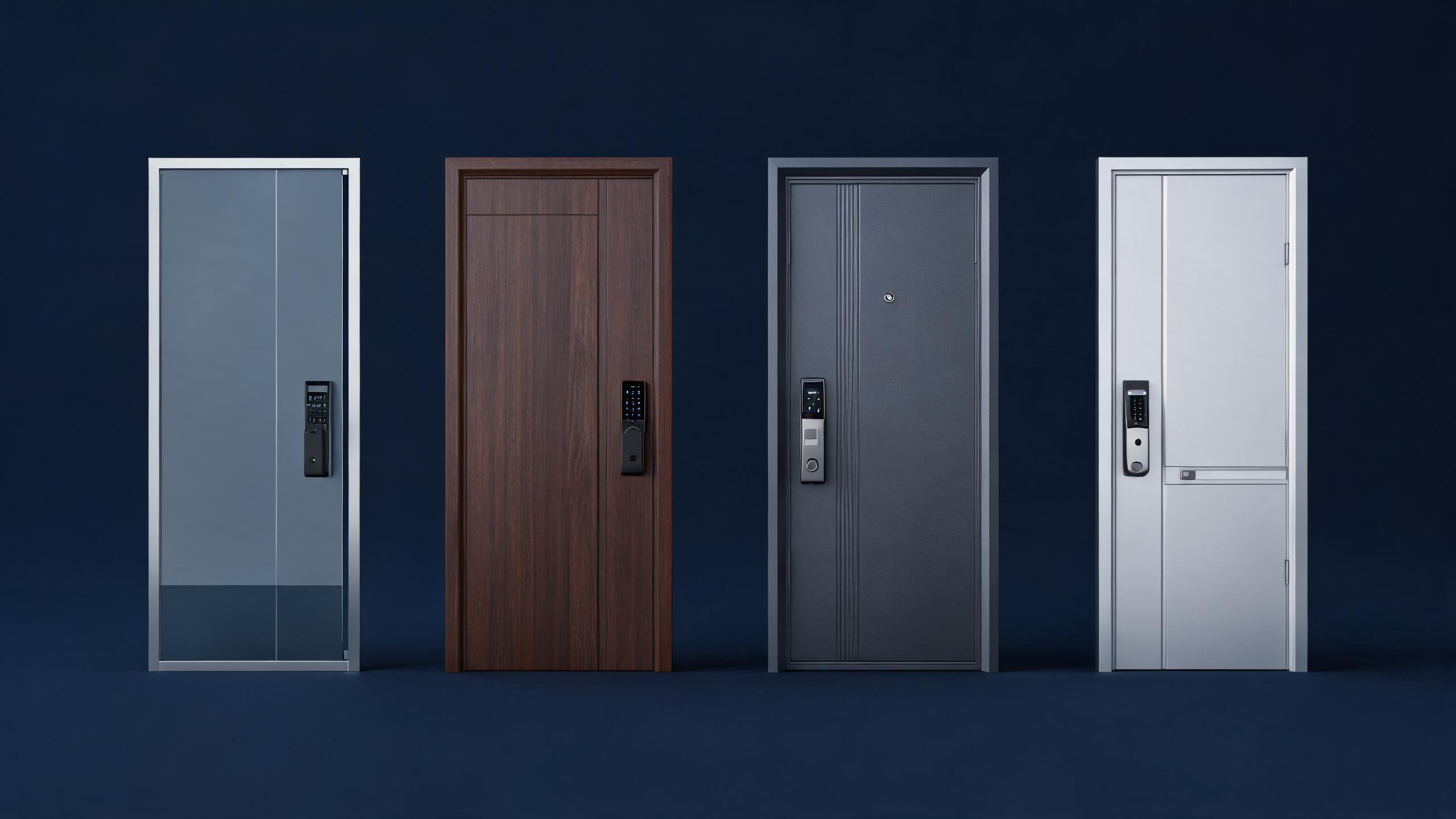
Door types
Which smart locks fit which doors: materials, thickness and lock bodies
Compatibility guidance for wood, steel, aluminum, uPVC, glass, sliding, fire-rated and cabinet doors — measure once and order the right lock body the first time.
A smart lock is chosen from the door backwards. The door’s material and thickness determine which lock bodies physically fit; its existing prep — mortise, cylindrical, rim or nothing — decides whether you can retrofit or must replace; its location decides the IP rating; and if the door is fire-rated, only listed-compatible hardware may be used. Buying a lock on features alone is the most common cause of installation problems. This hub maps each door type to its fit factors and the matching lock family, and tells you exactly what to measure before ordering.
Doors covered in depth
Compatibility guides and lock families available now
Smart locks for glass doors
Glass doors
Frameless, framed and sliding glass doors with clamp-on, no-cut fitting.
Waterproof locks for outdoor gates
Outdoor gates
Weatherproof bodies for broken-bridge aluminum entries and courtyard gates.
Office wood and steel doors
Office doors
Biometric and card lock bodies for wood, steel and glass office doors.
Glass door lock category
Glass lock models
Browse the clamp-on glass door lock range with specifications.
Outdoor lock category
Outdoor models
Weather-sealed locks for gates, patios and exposed perimeter doors.
Cabinet lock category
Cabinet locks
Compact locks for cabinets, lockers, drawers and storage furniture.
Door type guides
Materials
Wooden doors →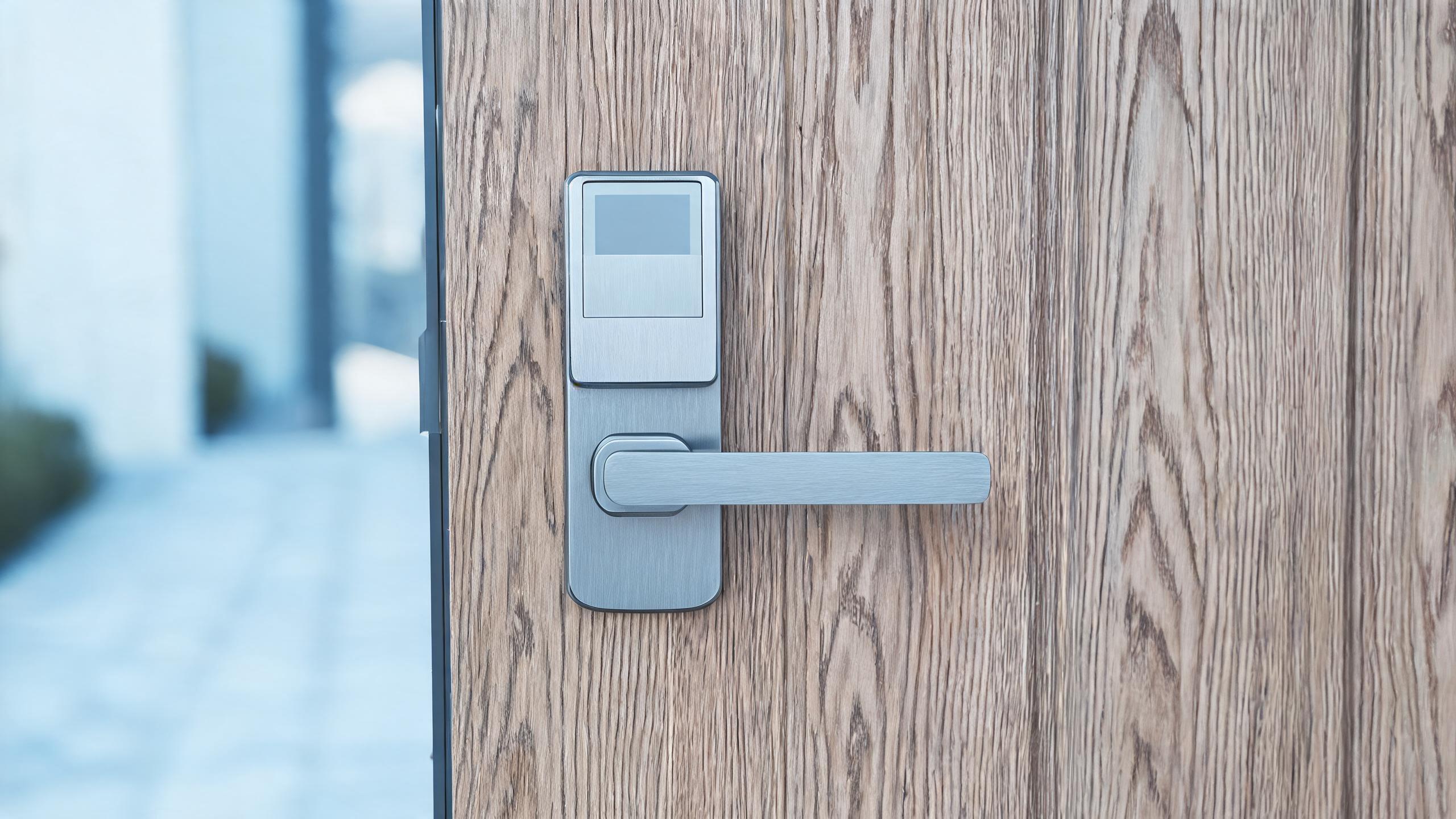
Wooden doors →
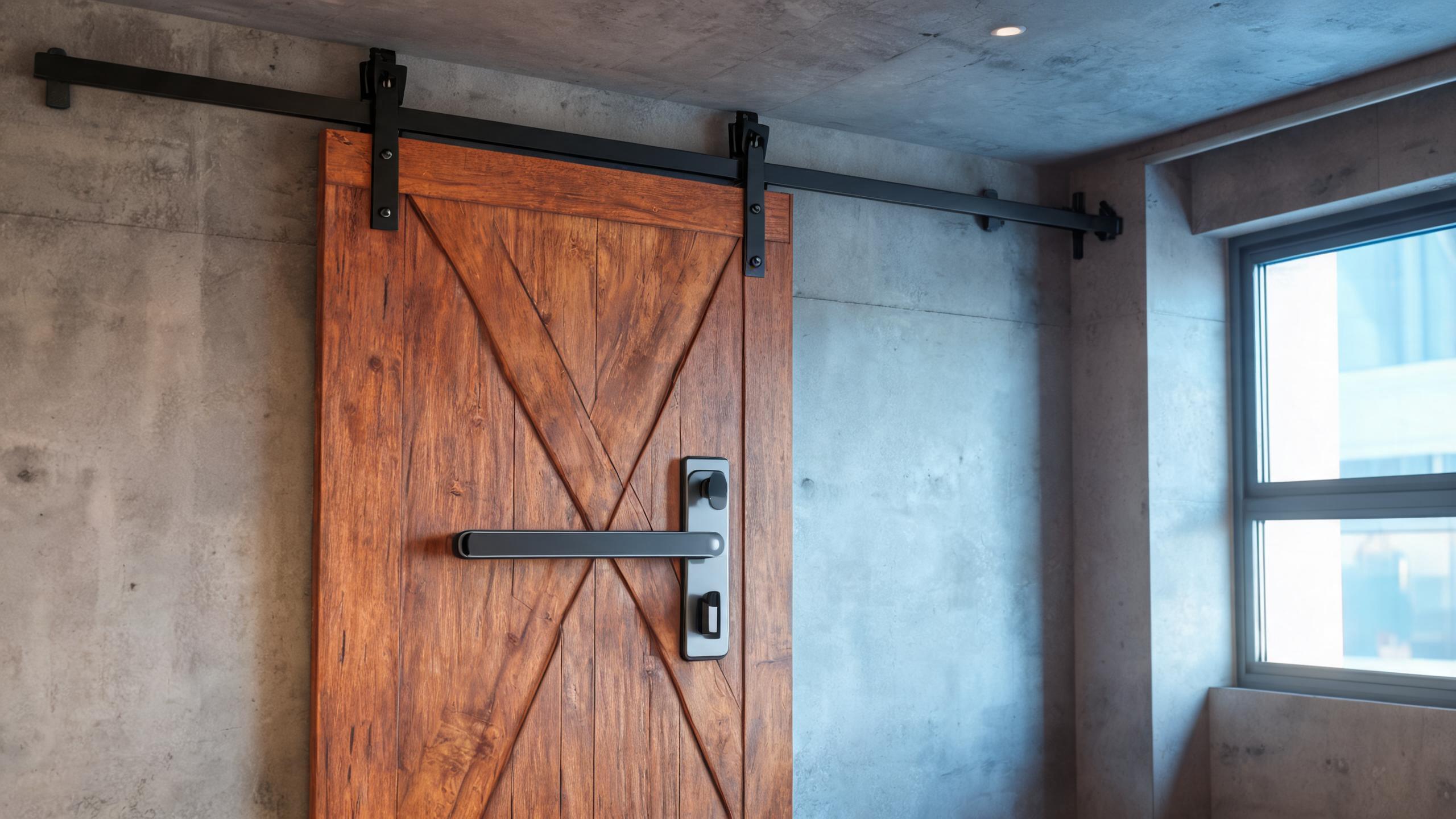
Mortise, deadbolt and rim options sized to solid, veneer and composite wood cores.
Metal and steel doors →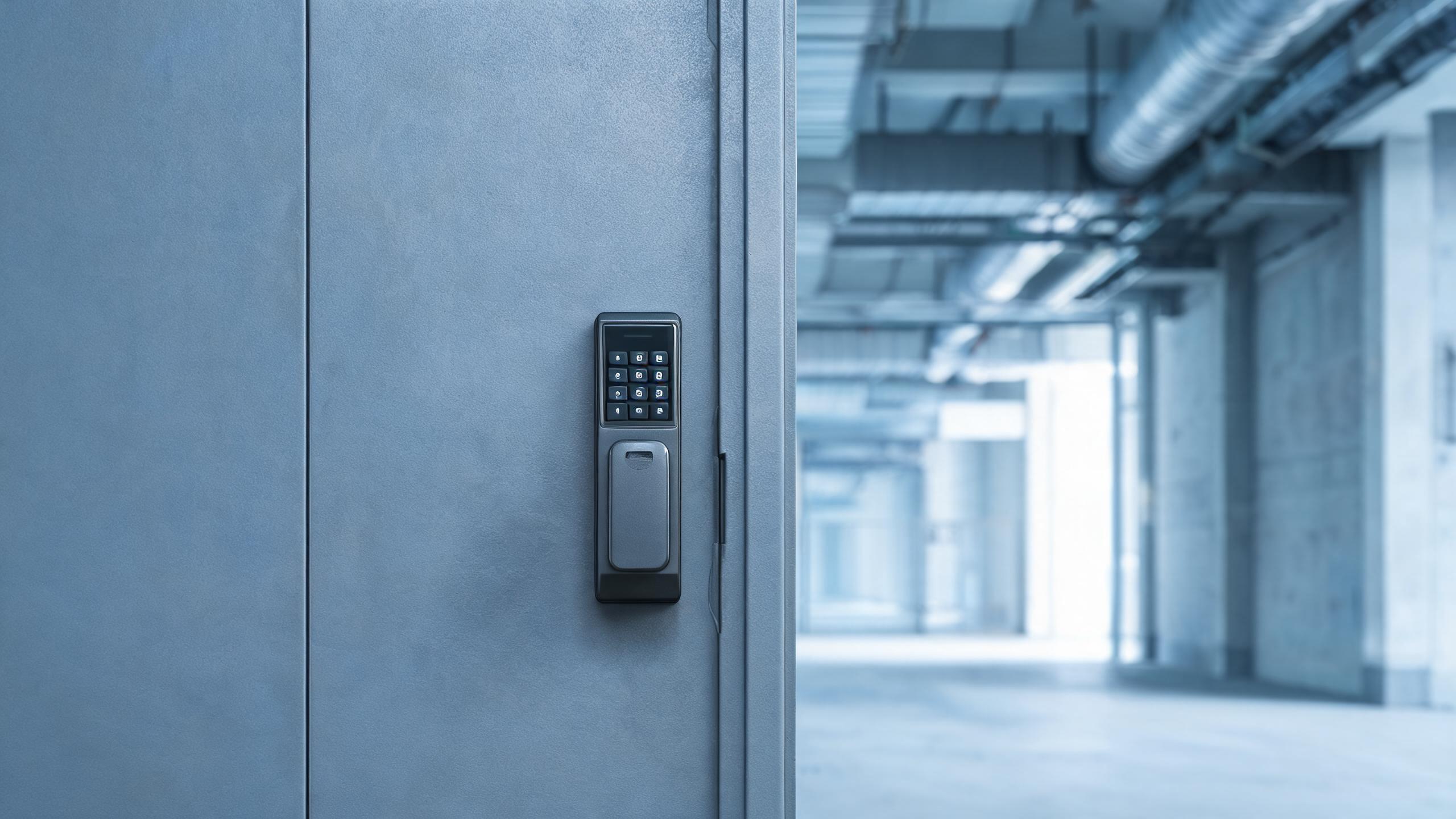
Metal and steel doors →
Hollow-metal prep, magnetic locks, electric strikes and fire-door constraints.
Aluminum broken-bridge doors →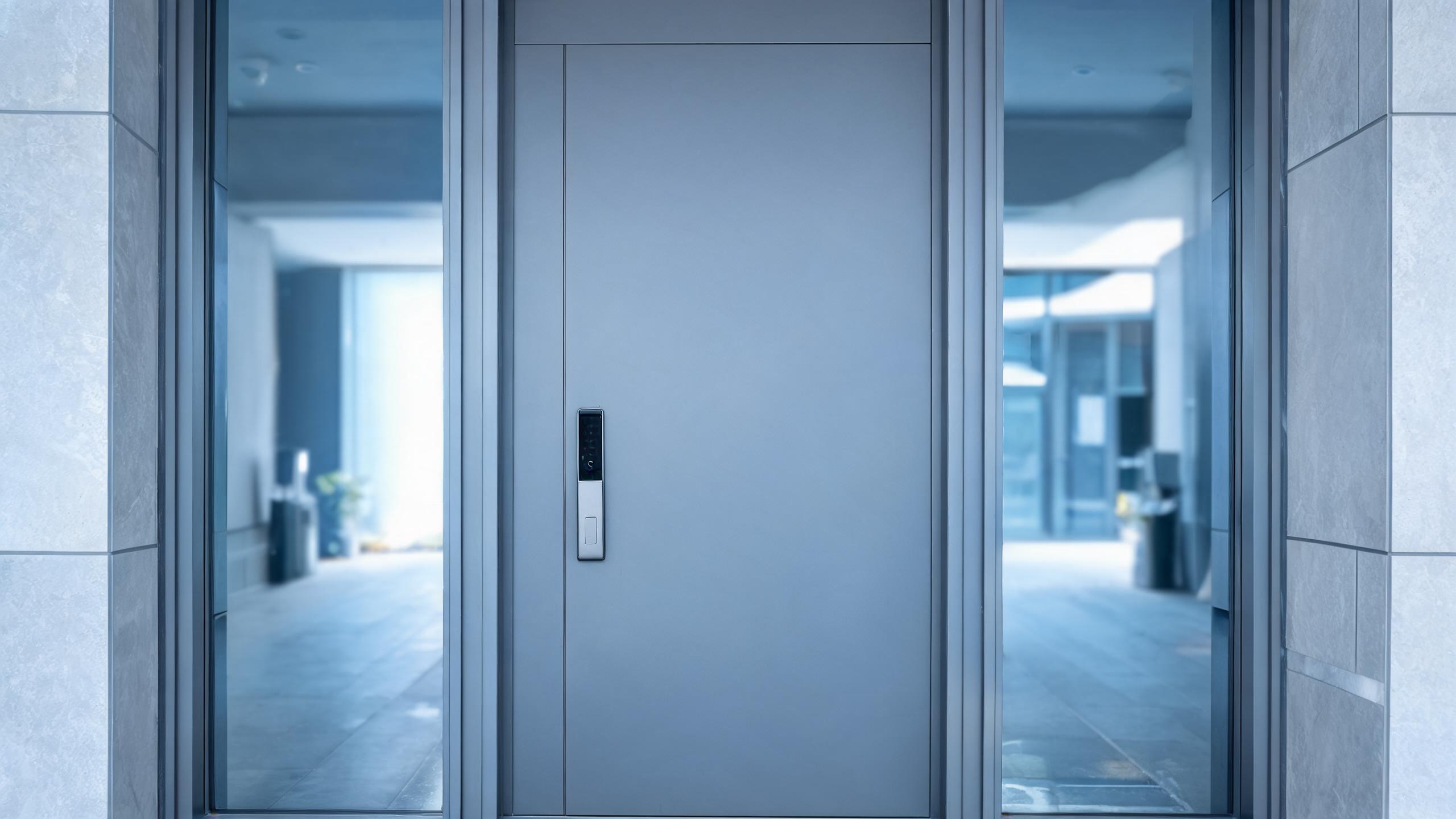
Aluminum broken-bridge doors →
Slim escutcheons and clamp fittings that protect the thermal break.
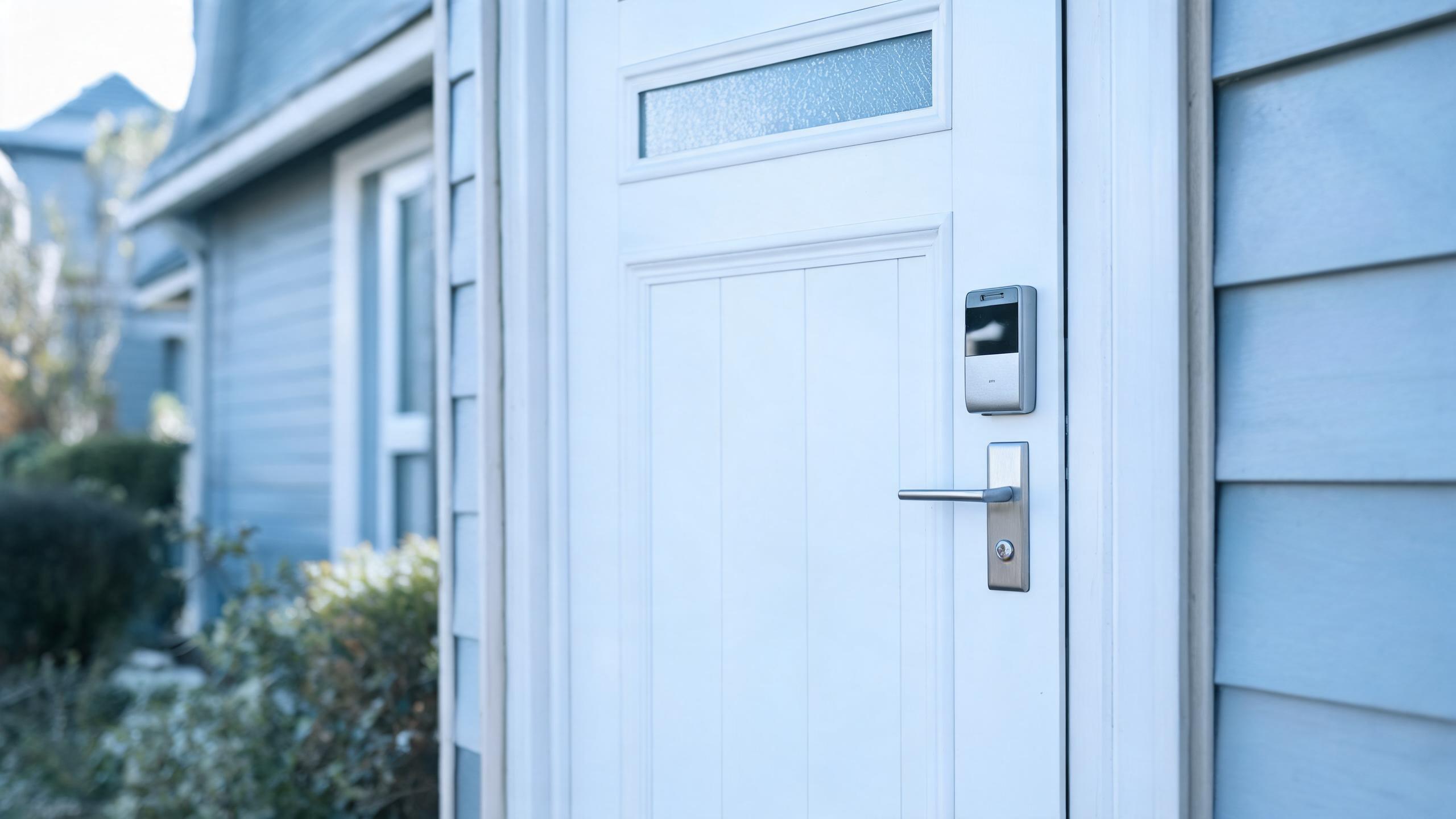
Security doors →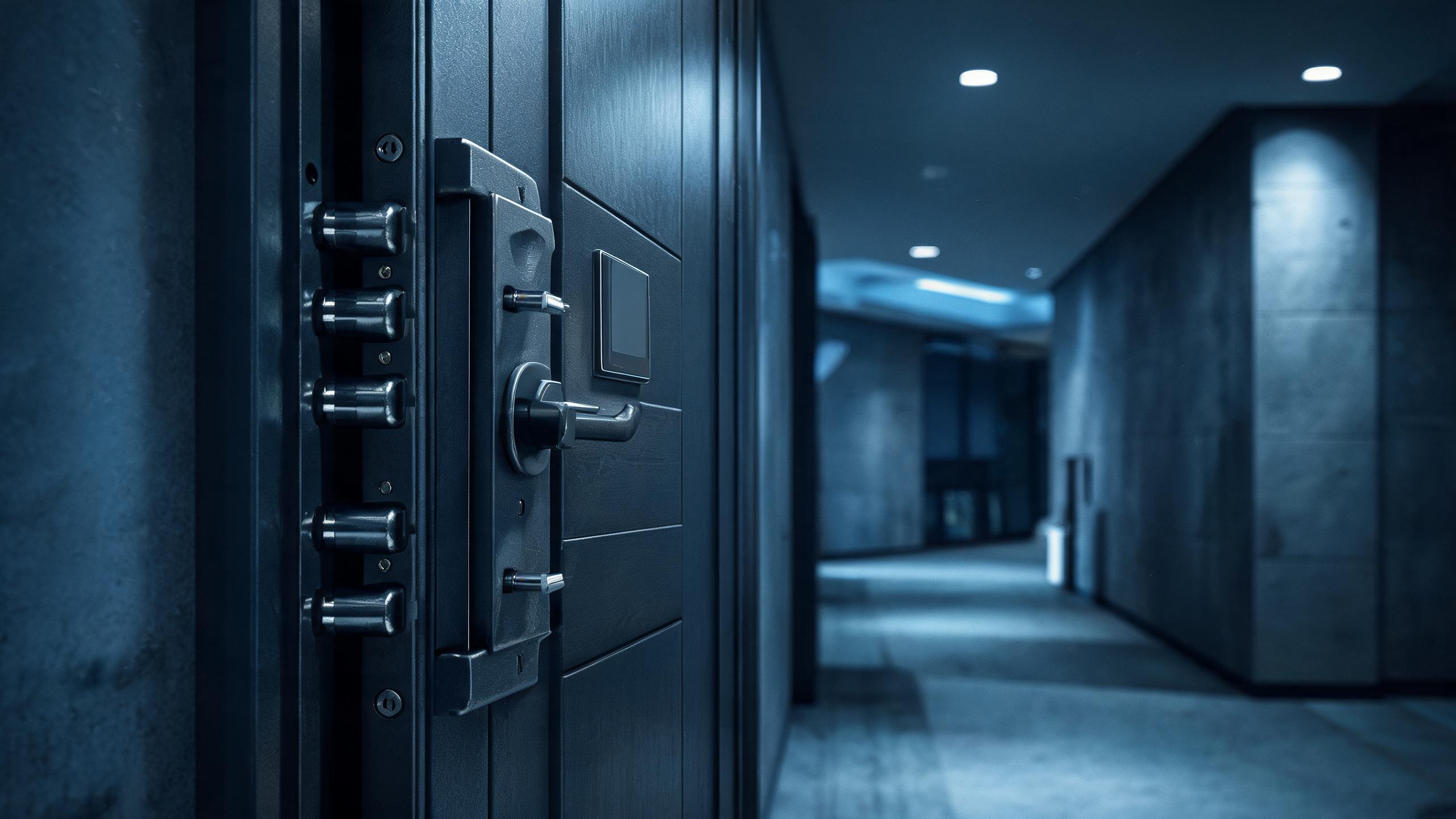
Security doors →
Multi-bolt and electrified solutions for high-assurance steel openings.
Fire-rated doors →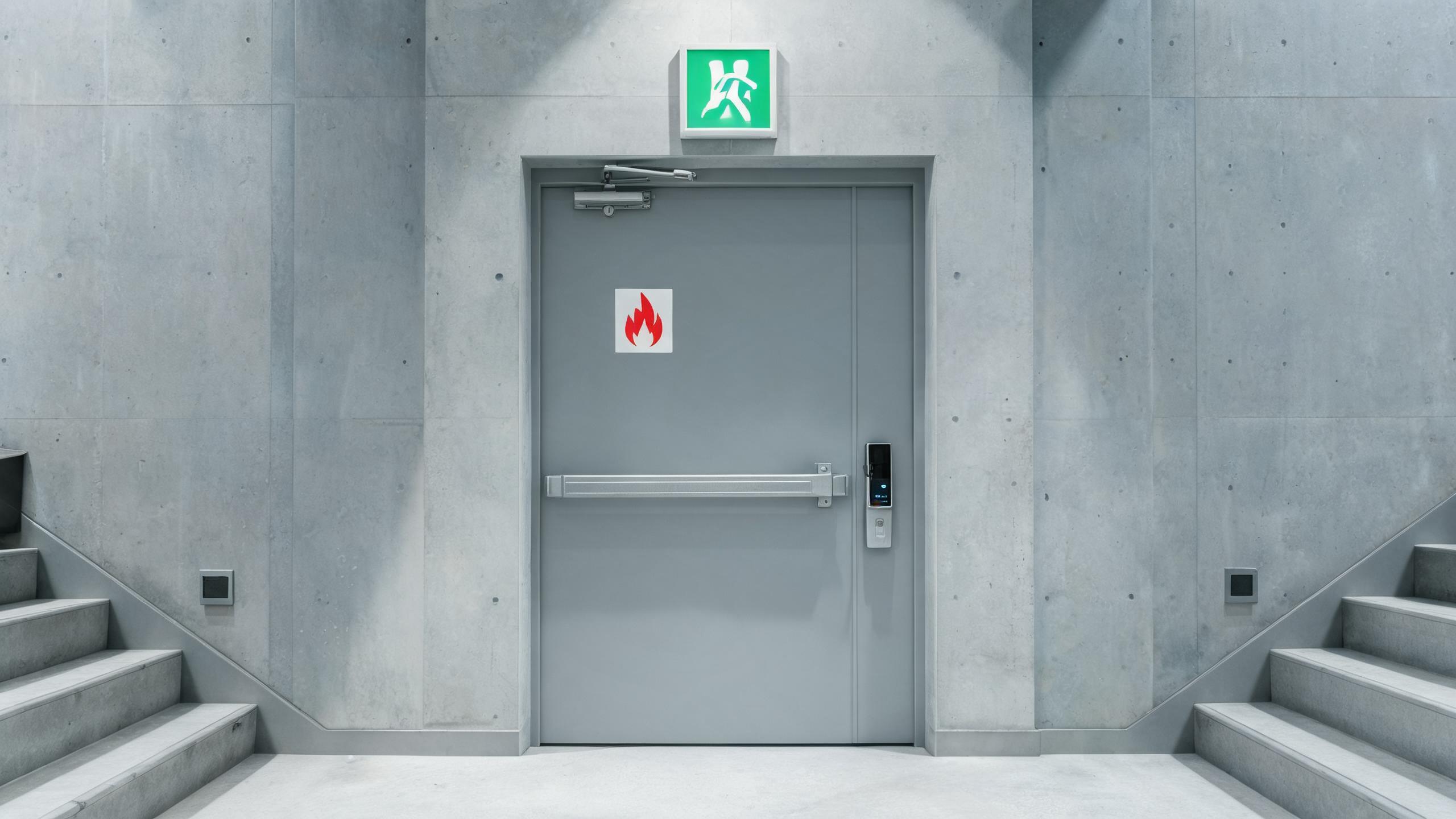
Fire-rated doors →
Listed electrified hardware that keeps ratings and free egress intact.
Door type guides
Glass & special openings
Frameless glass doors →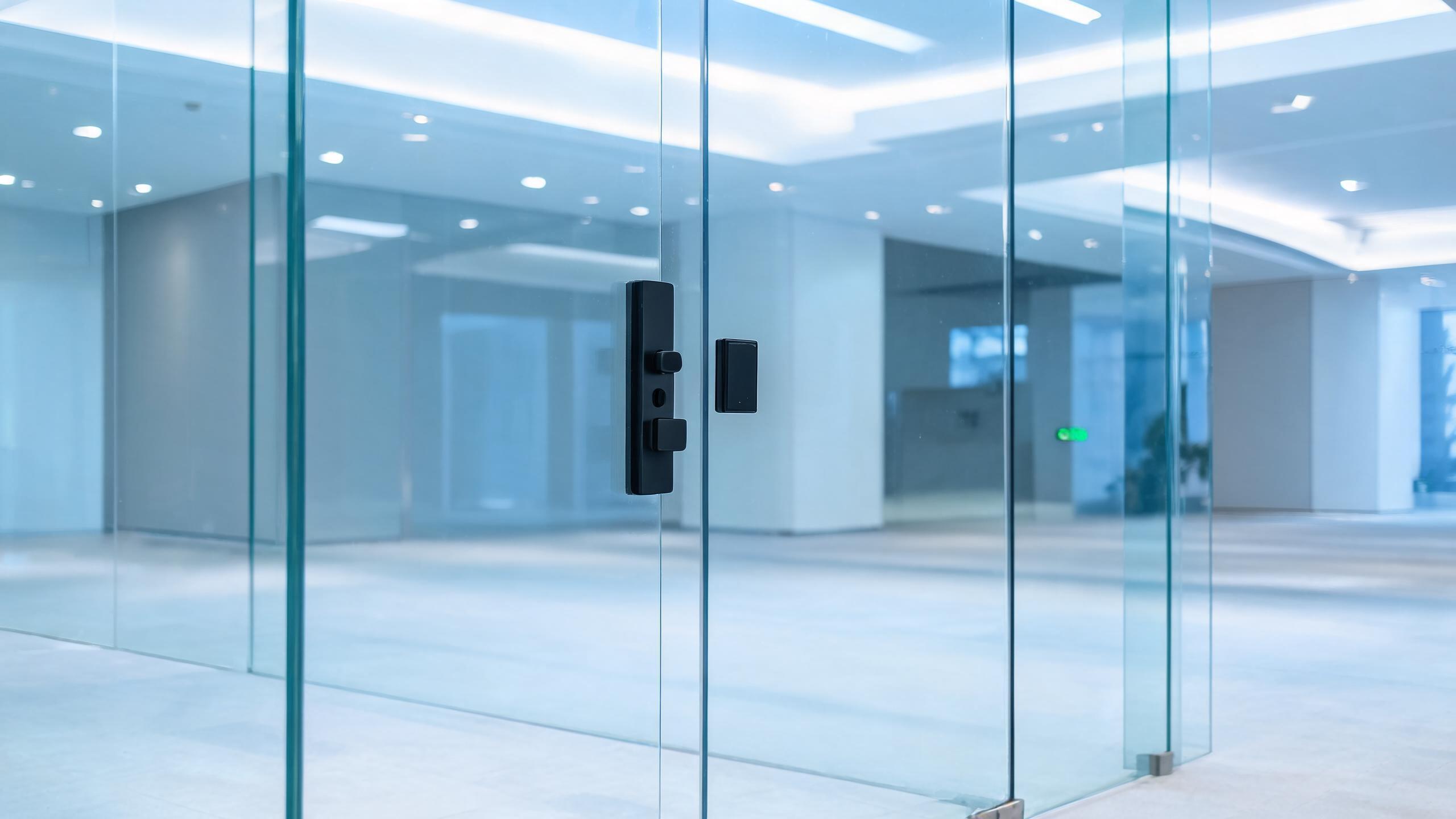
Frameless glass doors →
Patch and clamp fittings for tempered panes, with no glass drilling.
Framed glass doors →
Framed glass doors →
Stile dimensions, lock channels and electric strikes for framed glass.
Sliding glass doors →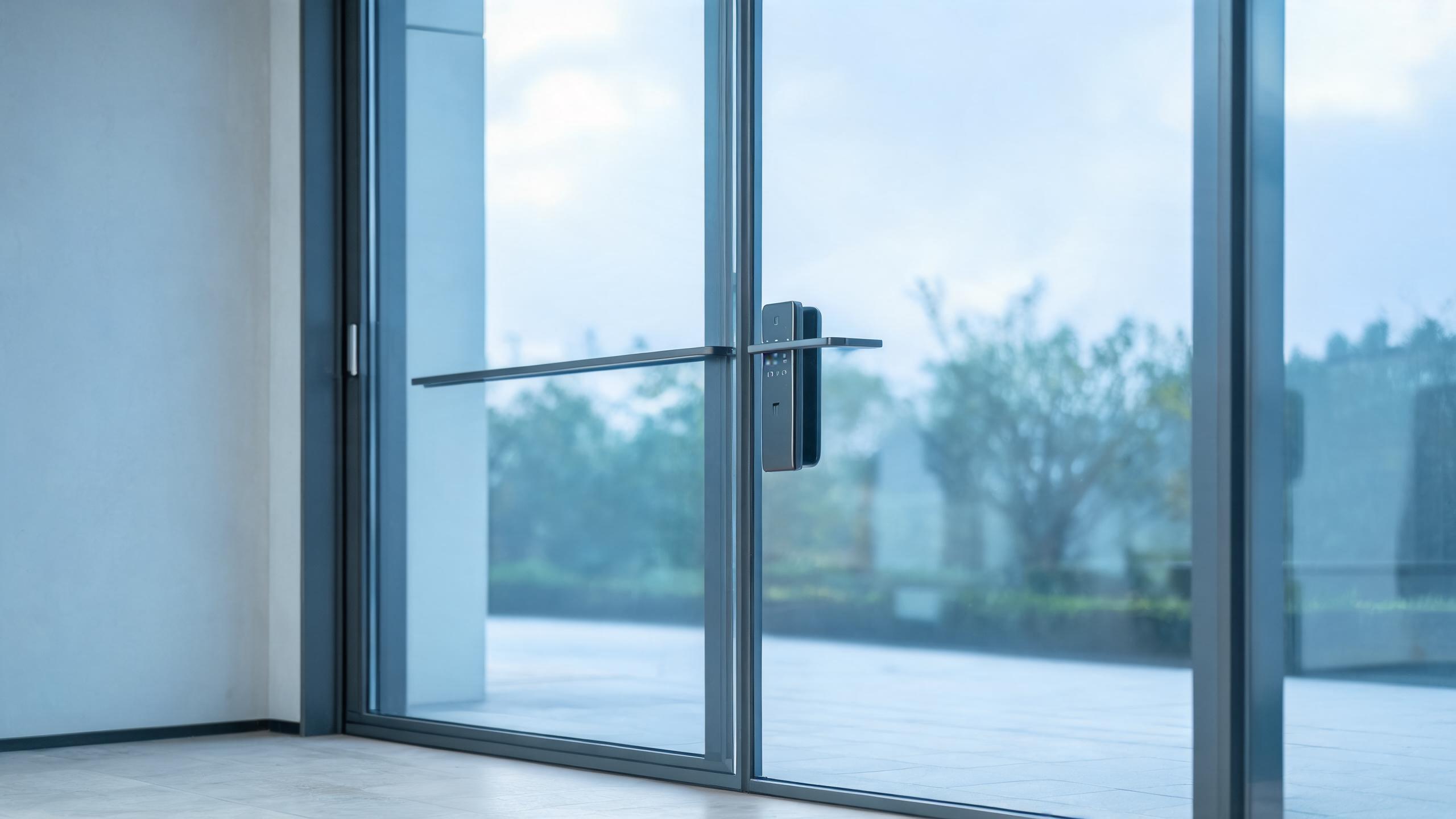
Sliding glass doors →
Hook-bolt and motorized locks that preserve track closure and seal.

Narrow stile doors →
Narrow stile doors →
Slim escutcheons and clamp readers for minimal aluminum face width.
Door type guides
Lock body prep & furniture
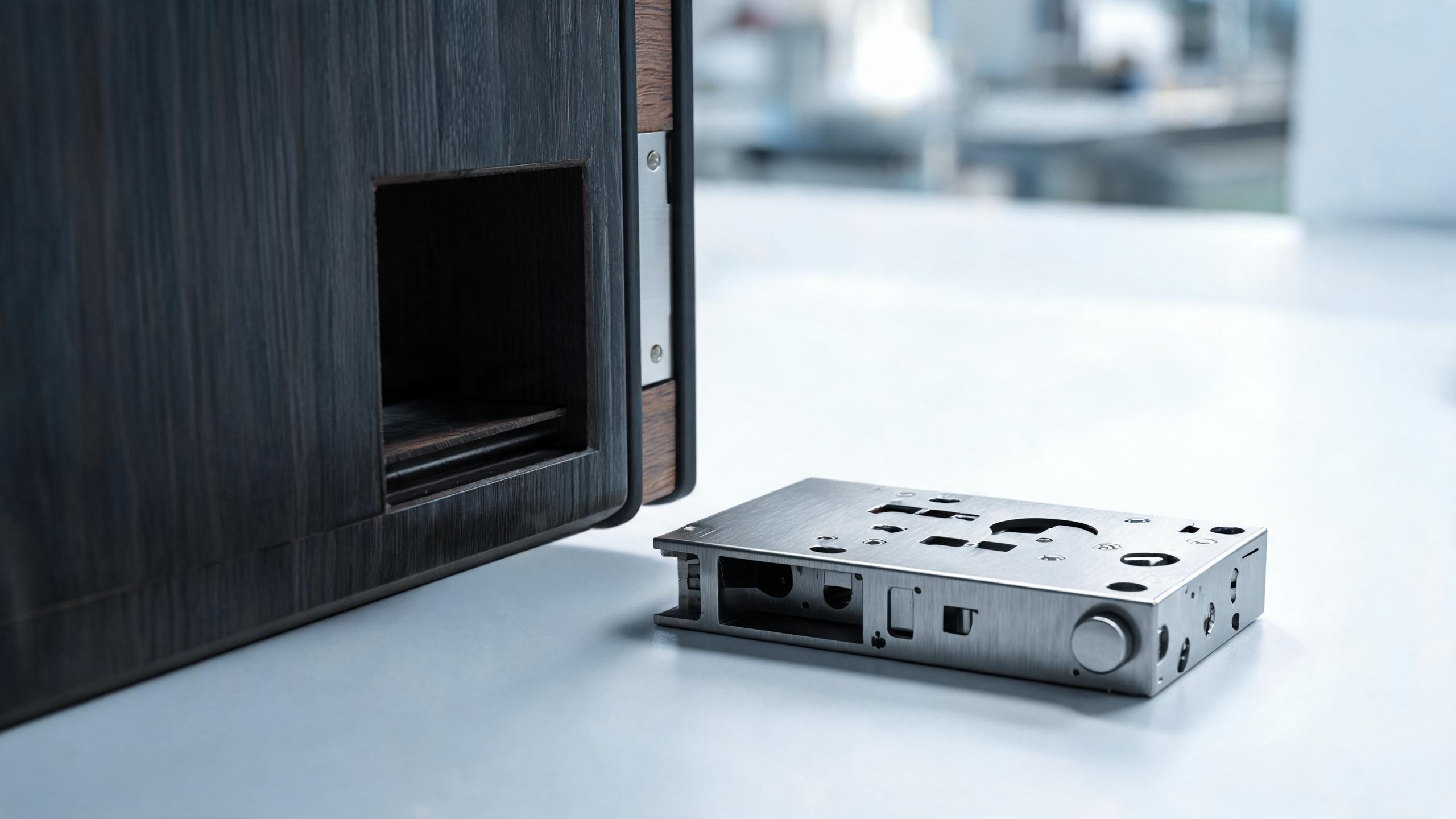
Cylindrical doors →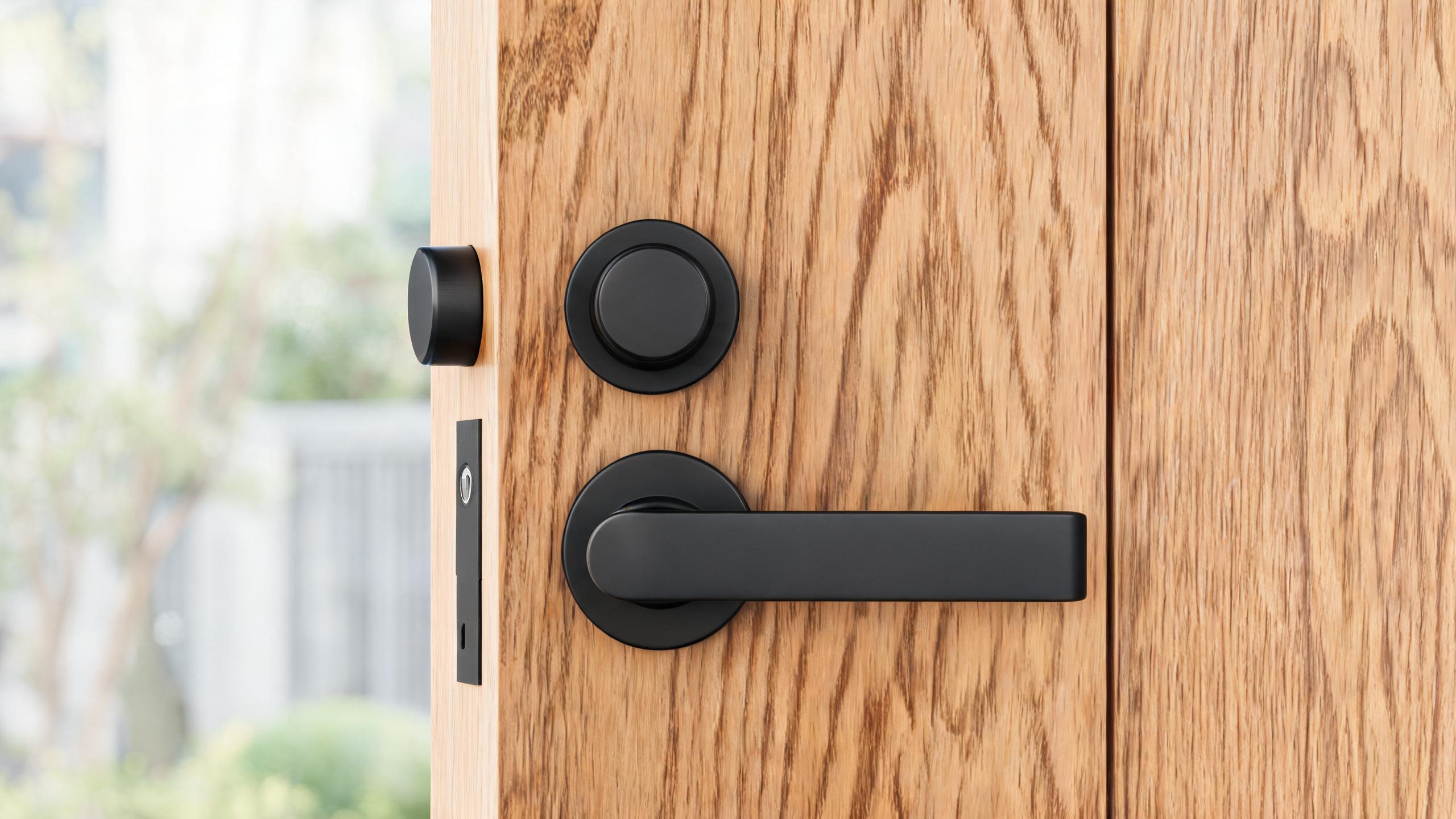
Cylindrical doors →
Retrofit path for standard bored doors, backsets and door-face ranges.
Euro-profile cylinders →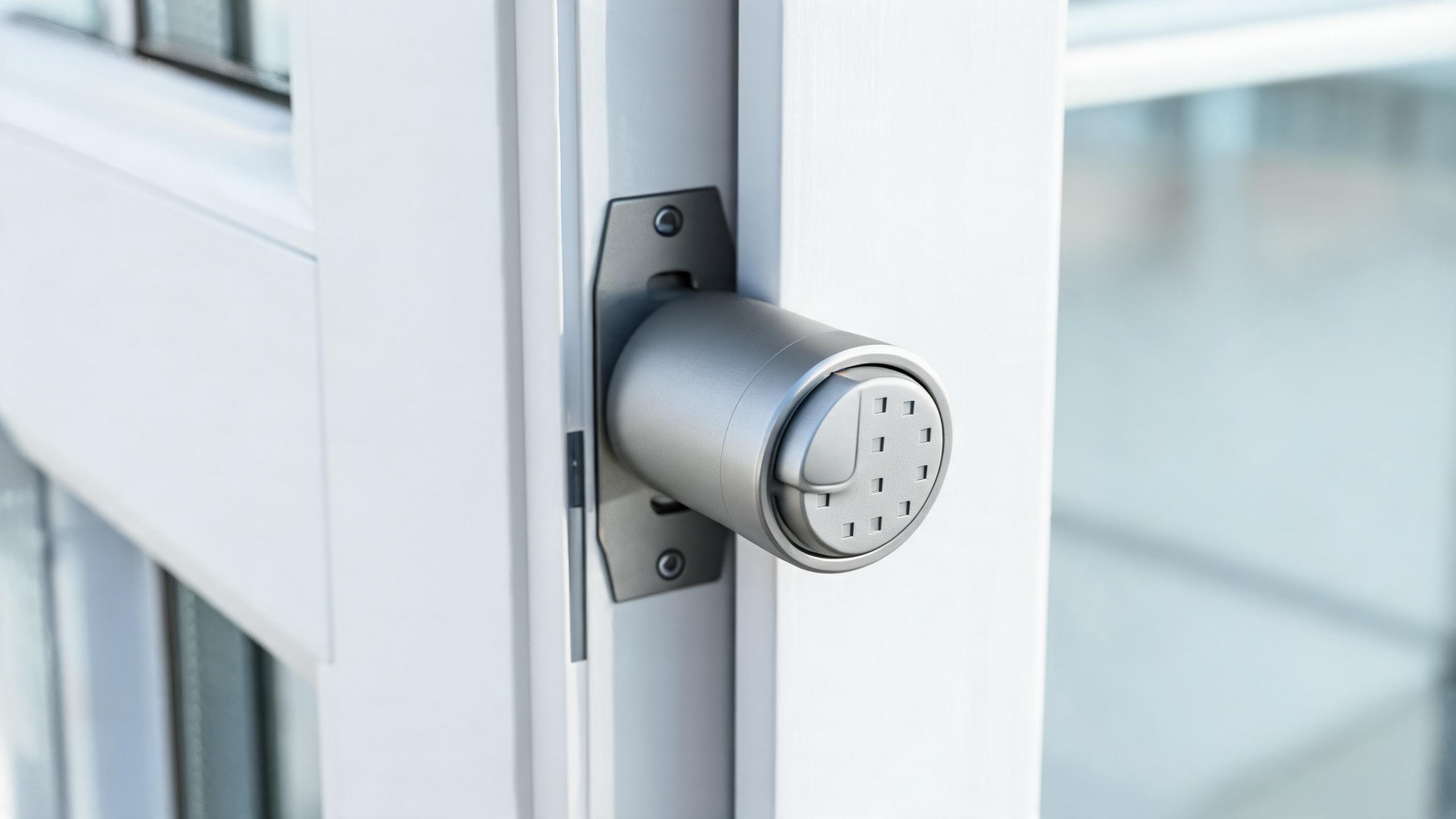
Euro-profile cylinders →
Reversible electronic cylinder upgrades sized by half-length and cam.
ANSI deadbolt doors →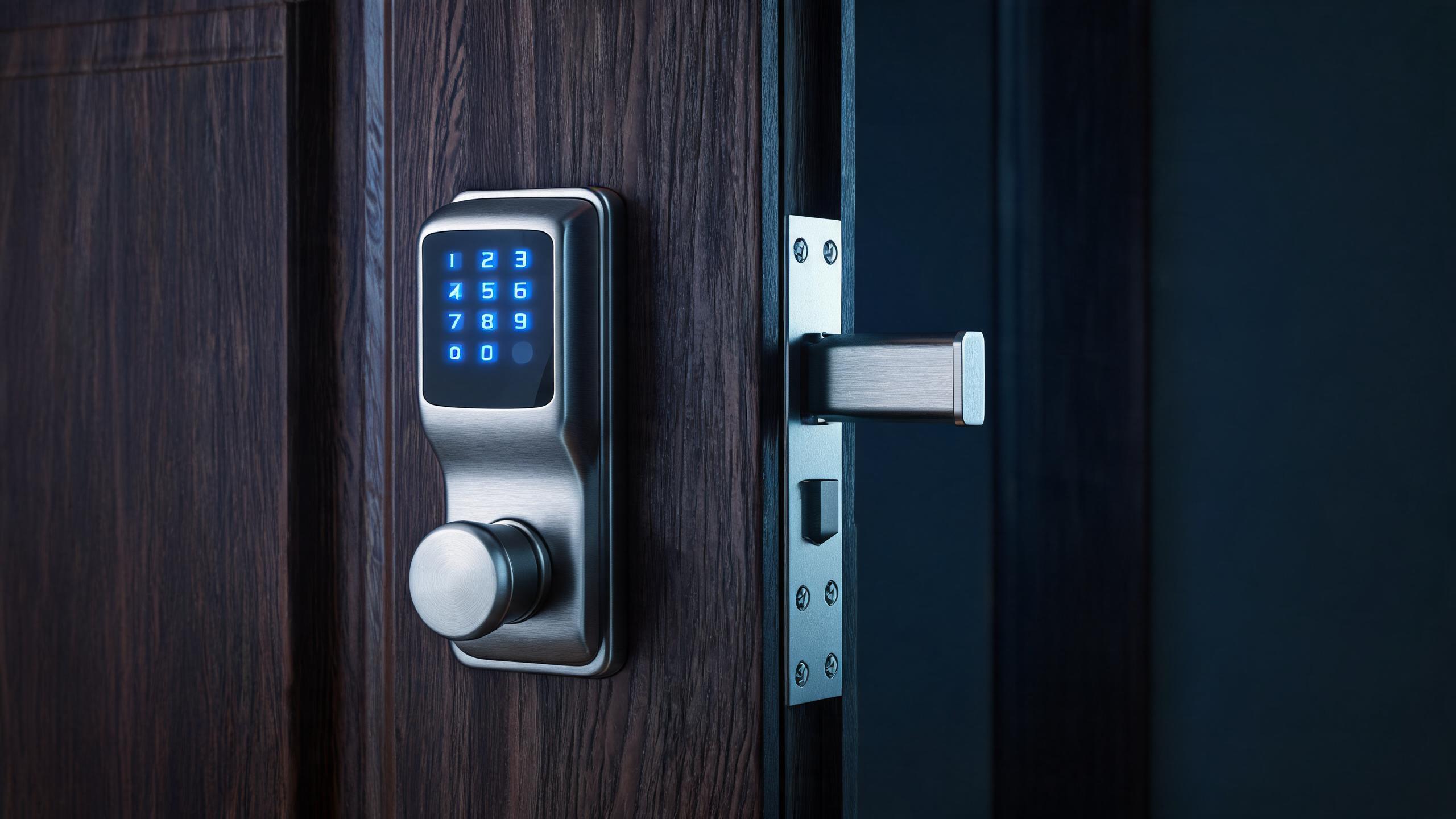
ANSI deadbolt doors →
Grade 1 and Grade 2 smart deadbolts for US-prepped entrance doors.
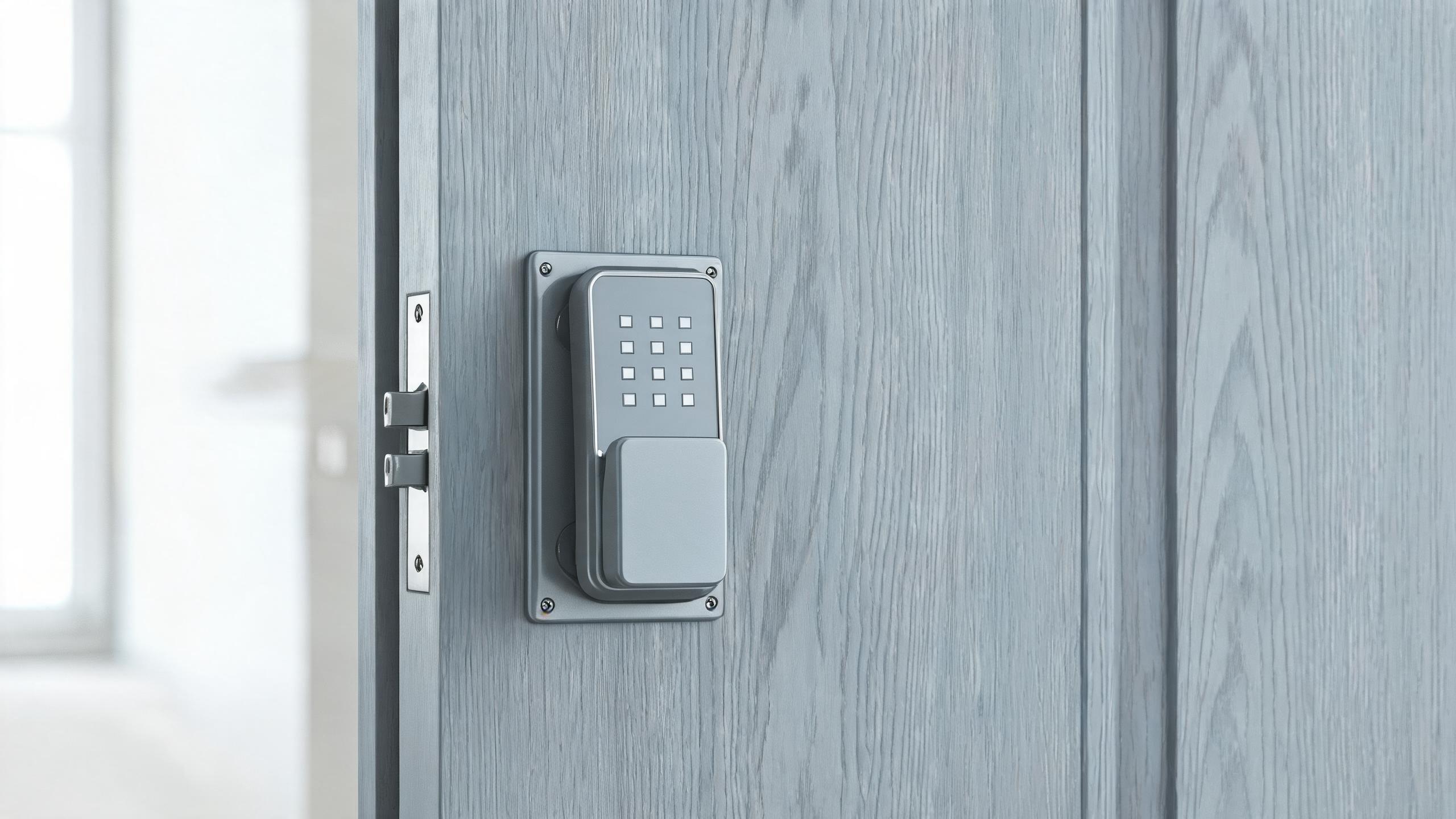
Cabinets and filing cabinets →
Cabinets and filing cabinets →
Electronic cam locks with per-compartment credentials and logs.
Door type topic map
Compatibility guides in this knowledge center
Detailed fit and measurement pages for the door types below are published in batches. Send photos of your doors for model-level confirmation at any time.
Materials
Wooden doorsMetal and steel doorsAluminum broken-bridge doorsuPVC doorsSecurity doorsFire-rated doors
Glass & special openings
Lock body prep & furniture
Fit factors by door type
| Door | Fit factors to check | Typical lock choice |
|---|---|---|
| Wooden | Thickness against the model range, existing mortise or cylindrical prep | Mainstream mortise or cylindrical smart locks |
| Metal / steel | Thin skins may need suitable fittings and spacers; existing prep | Mortise smart locks with metal-door hardware |
| Aluminum / broken bridge | Narrow stile width and frame clearance; handle projection | Slim aluminum-door lock bodies |
| uPVC | Gearbox and center distance; multipoint locking mechanism | Multipoint-compatible smart handles |
| Frameless glass | Glass thickness, leaf type, swing direction; no glass cutting | Clamp-on glass locks — guide |
| Framed / sliding glass | Frame width, hook bolts and overlap clearance | Sliding-specific glass lock bodies |
| Outdoor gates | Direct rain exposure, double-sided access, gate frame material | IP-rated weatherproof bodies — guide |
| Fire-rated | Must use listed-compatible hardware only | Certified options per rating — standards |
| Cabinets / lockers | Panel thickness, latch type, single or multi-door cabinet | Purpose-built cabinet locks — models |
Measure before you order
The five measurements that prevent fit problems
- Door thickness — measure both the thickest and thinnest doors on site
- Material and construction — solid, composite or hollow skin changes fitting
- Existing prep — mortise pocket, bored holes or rim mount, with hole spacing
- Frame and hinge side — clearance, strike position and swing direction
- Exposure — indoor, covered entrance or fully exposed to rain and sun
Why photos matter
Alongside measurements, send three photos per unusual door: the closed door face, the door edge showing the existing lock, and the frame with the strike plate. Engineering can usually confirm fit and recommend a model from photos without a site visit.
Door compatibility: common questions
Can any smart lock fit any door?
No. Lock bodies are built around door thickness, material and existing lock prep. Glass doors, narrow aluminum stiles, uPVC multipoint doors and outdoor gates each require purpose-made bodies — check the compatibility table before choosing.
What thickness of door can a smart lock handle?
It is model-specific. Mainstream mortise and cylindrical smart locks cover a stated thickness band, and glass clamps specify a glass thickness range. Provide your measured thickness and fit is confirmed from the specification sheet.
Do I need to drill or cut my glass door?
Frameless glass clamp locks mount without cutting the glass at standard thicknesses, which is why they are popular in offices and shops. Framed and sliding doors may reuse existing prep — the glass door guide covers the options.
Can smart locks be installed on fire-rated doors?
Only with hardware listed or approved for that fire rating, such as UL 10C or EN 1634 contexts. Fitting an unlisted lock voids the door’s fire rating, so flag fire-rated openings clearly in your RFQ — see the standards hub.
What if my door already has a mortise, cylindrical or rim lock?
Retrofit is often possible by reusing existing holes, but check hole spacing and latch positions; a replacement lock body may be needed. Send photos of the door and its edge before ordering, or validate fit with samples.
Not sure which lock fits your doors?
Send door photos, measurements and quantities — engineering confirms compatibility and recommends the exact models.
Send door specsGlass door guideLast updated: October 31, 2026 · Reviewed by the Smart Lock Factory editorial team