
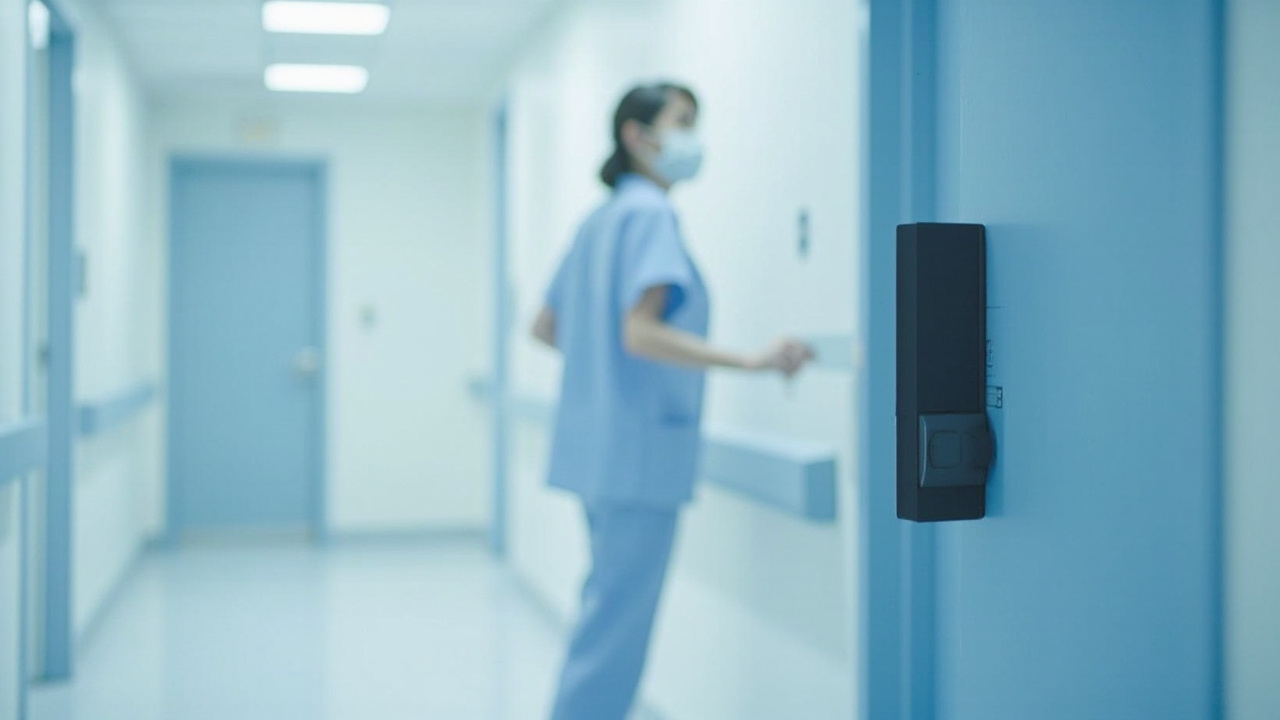
Smart lock solution for hospitals & healthcare
Graded, auditable access for wards, pharmacies and labs
Doctors, nurses, technicians and cleaners each open only their assigned areas, sensitive rooms keep entry records, and credentials survive a network outage when care cannot wait.
Who should open each door in a facility
Wards & patient roomsNursing teams on shift, with emergency override for rapid responseCard / code
Pharmacy & drug roomsNamed pharmacists and senior nurses only, every entry recordedFingerprint / face
Labs & equipmentApproved technicians and clinicians on scheduled accessFingerprint
Clinics & consult roomsDoors for consulting suites, dental and outpatient clinicsCode / card
Stores & recordsMedical records, consumables and linen stores under staff rulesCard / code
Main entrancesFace and intercom locks for controlled reception and after-hoursFace / intercom
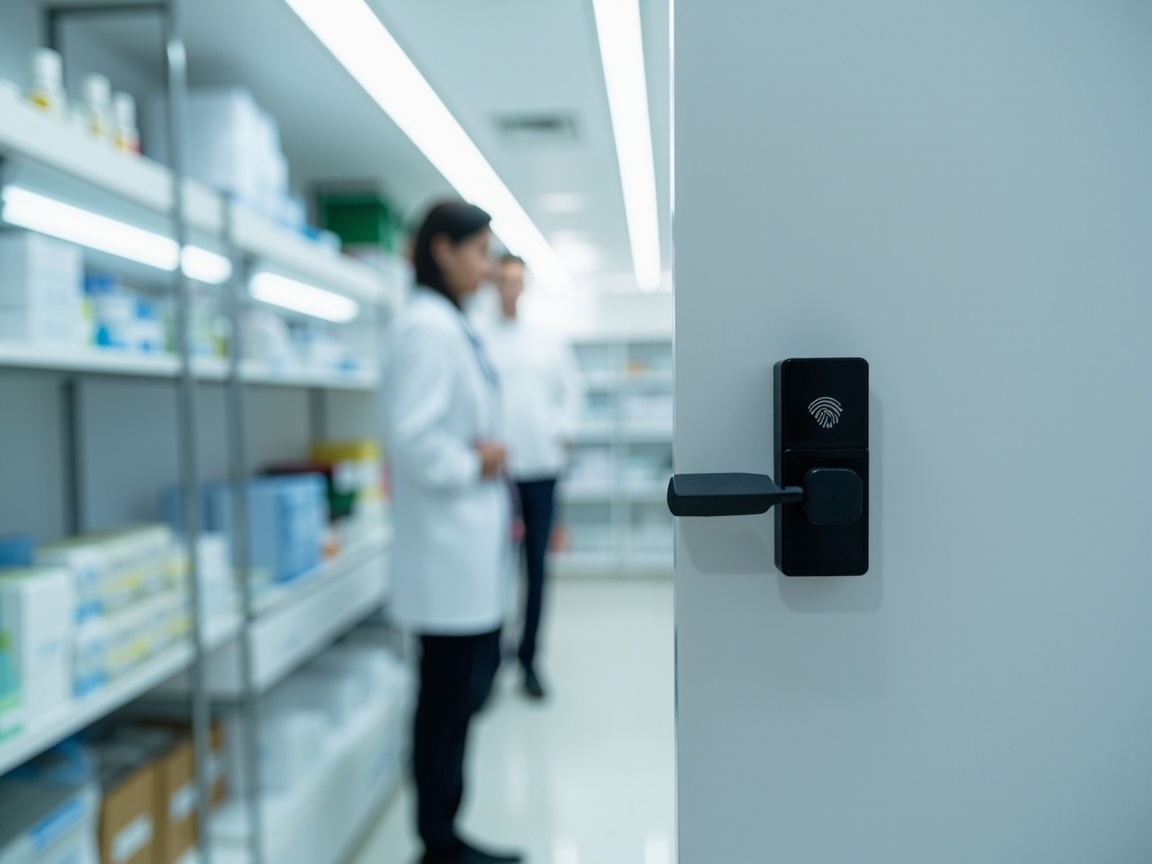
Fingerprint control on drug and consumables rooms — credentials belong to named staff, not loose keys
Hygiene and control together
Why electronic credentials suit clinical doors
Healthcare access has to be quick to use in gloves or scrubs, impossible to copy informally, and traceable when something goes missing.
- Card and code entry removes circulating brass keys between shifts
- Named fingerprints on drug rooms and labs prevent shared credentials
- Shift scheduling matches agency and rotation staff automatically
- Entry records support incident review and internal audits
- Smooth, wipeable surfaces for routine cleaning routines
- Emergency override for clinical emergencies and fire response
Access when the network is not available
Patient care cannot wait for IT
The locks run offline on batteries and validate credentials at the door, so a network outage never blocks a ward round or an emergency response. Mechanical override keys remain with security, and low-battery alerts give facilities teams ample time to replace cells on the planned maintenance schedule.
Battery powered Emergency override Shift rules Audit records
What facilities teams rely on
Graded staff roles
Doctors, nurses, technicians, cleaners and security each get their own access grade.
Agency & rotation staff
Temporary credentials issued for a contract window and removed automatically after it.
Multi-door fit-out
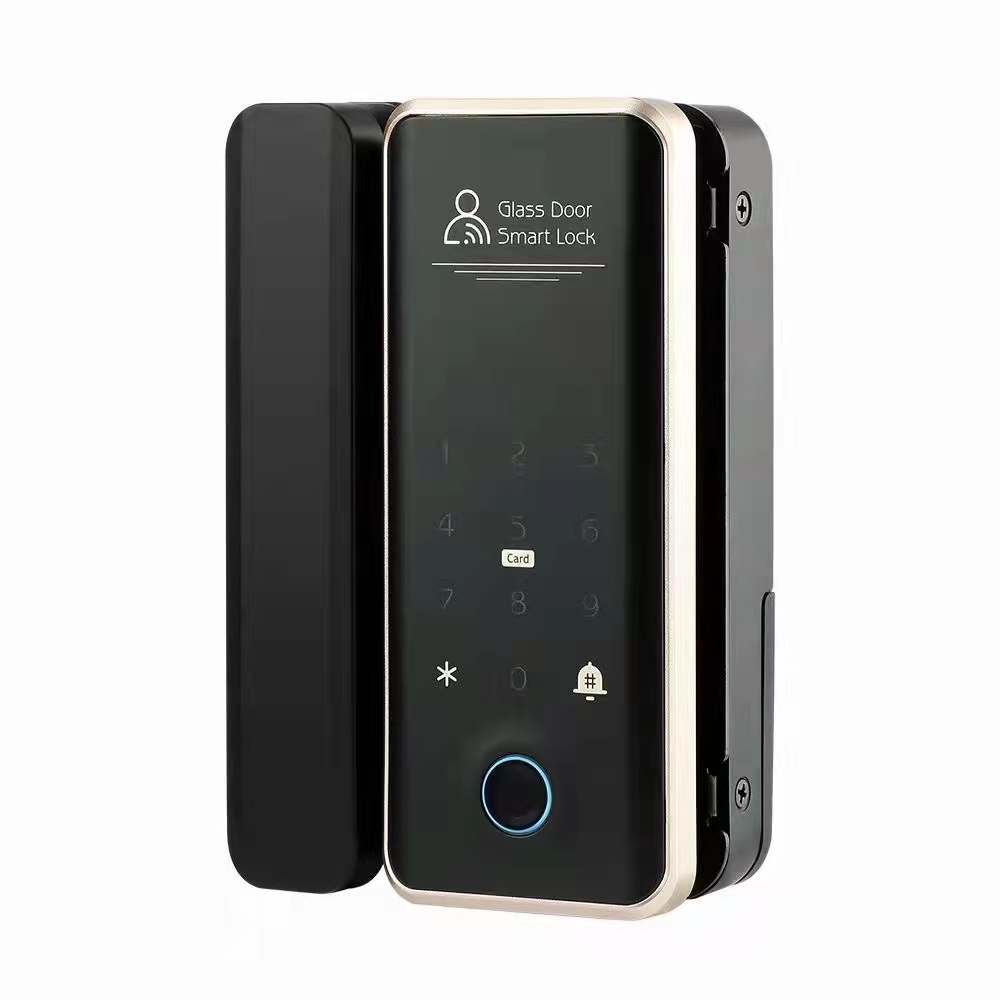
Wood, steel and glass clinic doors covered by matching lock families in one rollout.
Entrance intercom
Camera face locks at main entries for visitor verification outside reception hours.
Instant revocation
A leaver or lost card is blocked centrally — no cylinders to replace across a hospital.
Volume & spares
Consistent hardware across sites with spare locks planned into the initial shipment.
Recommended models
Locks suited to healthcare doors
Real, orderable models for sensitive rooms, staff doors, glass partitions and main entrances.
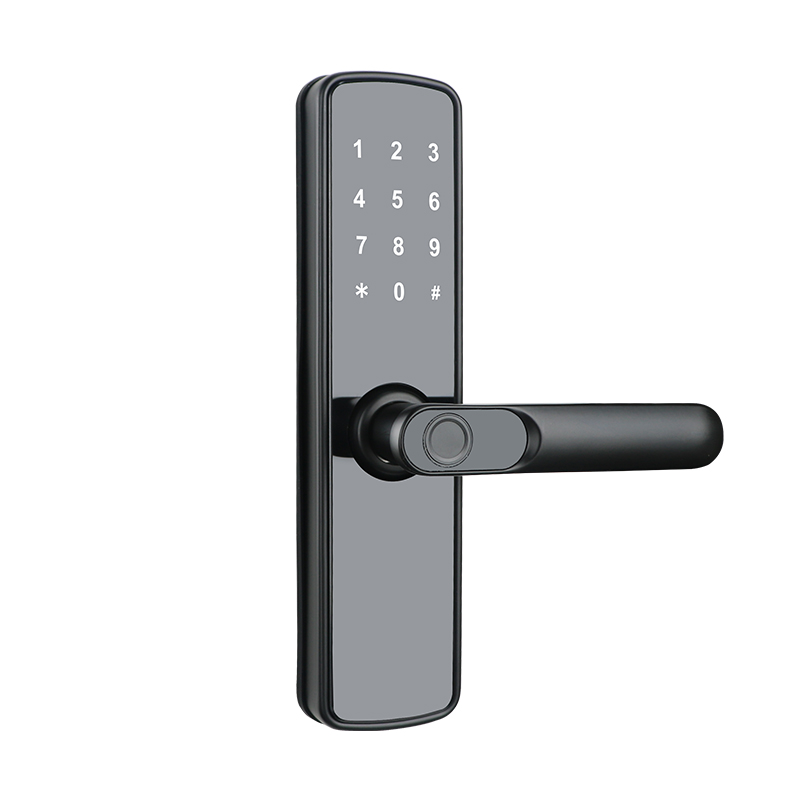

SLK-Q7 face intercom lock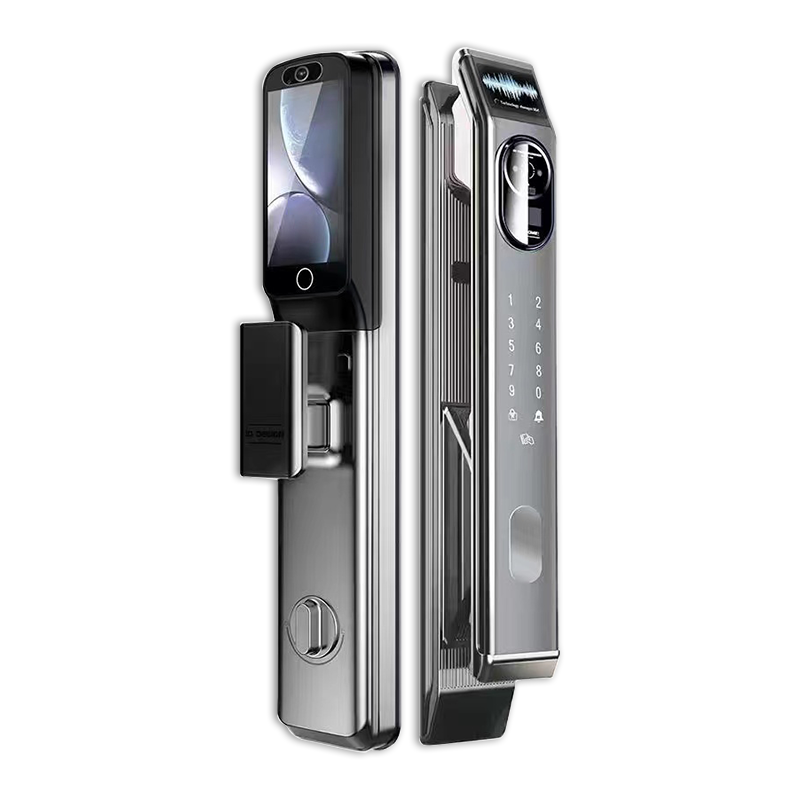
SLK-Q7 face intercom →
Face recognition with camera intercom at controlled entrances
Matching credentials to healthcare spaces
| Area | Users | Suggested credential |
|---|---|---|
| Wards | Nurses, doctors on shift | Shift card or code with emergency override |
| Pharmacy / drug room | Named pharmacists, seniors | Fingerprint limited to named users, records kept |
| Labs & equipment | Technicians, clinicians | Fingerprint on approved-user schedule |
| Consulting clinics | Practitioners, reception | Code or card per consulting room |
| Stores & records | Facilities, admin | Card or code with entry records |
| Main entrance | Staff, approved visitors | Face / intercom lock with reception control |
Related scenarios
Other graded-access environments
Offices & admin blocks
Offices & admin blocks →
Zoned permissions and entry records for administrative areas
Healthcare smart lock questions
Can access to drug rooms be limited to named staff?
Yes. Fingerprint or face locks on pharmacy and drug rooms are limited to an approved list of named users, and entries are recorded so incidents can be reviewed against a named credential.
Do the locks keep working during a network outage?
Yes. All standard models validate credentials at the door and run on batteries, independent of the network. Mechanical override keys are held by security for emergencies.
How are agency and rotating staff handled?
Temporary cards, codes or fingerprints are issued for the contract or rotation window only and stop working afterward, so no credential survives a staff member's departure.
Are the locks suitable for clinical cleaning routines?
The lock bodies use smooth, sealed exterior surfaces that are wiped as part of normal surface cleaning. Cards and codes also reduce hand-to-hand key handling between shifts.
Can locks be fitted to glass clinic partitions?
Yes — modern clinics and labs often use framed or frameless glass, which takes dedicated clamp-on glass lock bodies with no cutting. Send a door photo for confirmation.
What do you need to quote a hospital or clinic project?
The door schedule by area and material, the credential required per zone and your country. Model-specific certificates and test reports are provided on request — use the quote form.
Spec access control for your facility
Send your door schedule and zone requirements — get matching lock models, credential options and project pricing.
Request a QuoteWhatsApp a sales engineer