
Manufacturing capability
In-house R&D behind every OEM and ODM smart lock program
Custom locks succeed or fail in development, so our engineering teams take a buyer program from concept through staged validation to a design the production line can actually build.
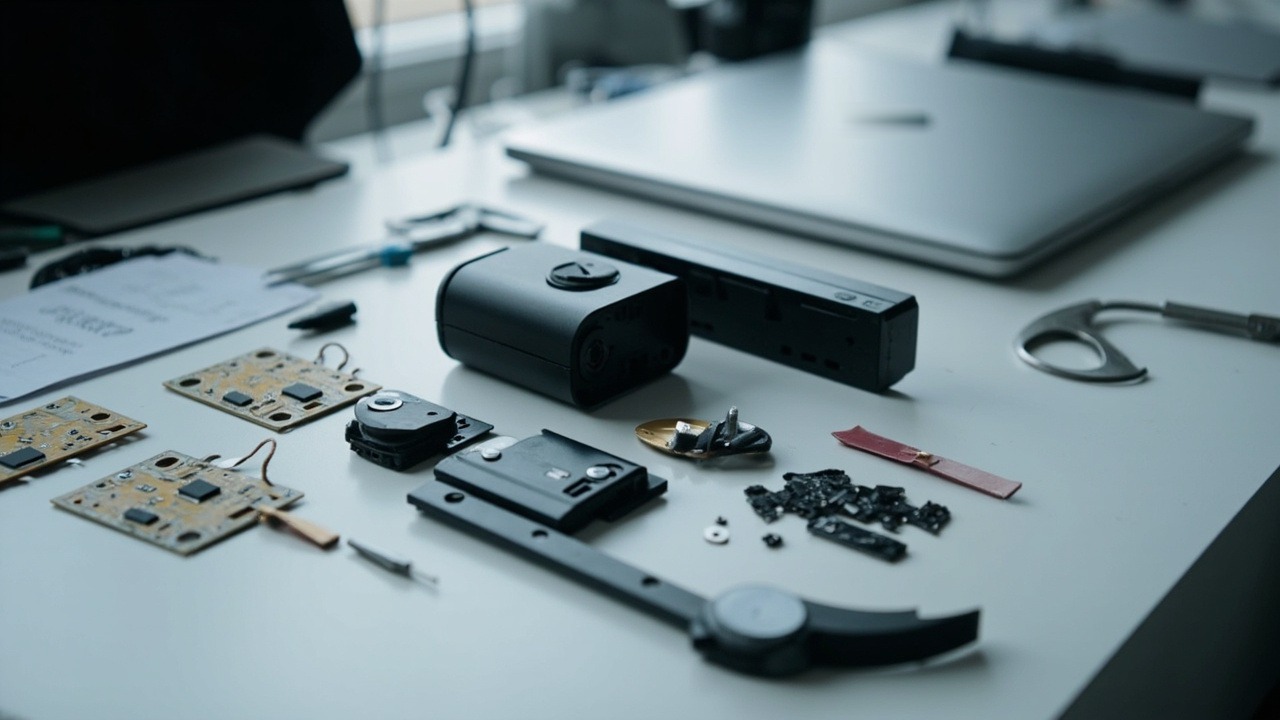
For OEM and ODM buyers, the R&D center turns a target price, door specification and feature list into a manufacturable smart lock. Engineering covers the lock body and clutch, MCU and biometric modules, radio, unlock logic and low-power behavior, with app work scoped per provider. Programs move through concept, engineering validation, design validation and production-validation gates, each with its own build, issue list and sign-off, and prototype runs confirm the design before mass production. Tooling ownership and IP terms are set in written agreements per project; certificates and test reports for named SKUs are provided per RFQ, and MOQ policy, sample terms and lead time are confirmed in writing per quotation.
R&D capability at a glance
| Scope | Mechanical, electronic, firmware and app or platform engineering for new OEM and ODM lock programs, from concept to production-ready design. |
| What is covered | Lock body and clutch design, electronics integration, low-power firmware, credential logic, radio bring-up, custom housings, tooling and prototype builds. |
| Evidence provided | Stage-gate records, validation results, issue lists, drawings, BOMs, plus certificates and test reports for named SKUs provided per RFQ. |
| Coordination | Engineering works from the buyer's door schedule, target market, feature list and target cost, with a named commercial contact in parallel. |
| Quality and process | Concept, engineering validation, design validation and production-validation gates each end with a build, a logged issue list and sign-off. |
| Working together | Buyers review prototype samples and written specs before tooling release; later changes follow a documented change-control path. |
| Commercial terms | Tooling, IP ownership, NDA, current MOQ policy, sample terms and lead time are confirmed in writing per project agreement or quotation. |
From concept to production validation: the stage-gate flow
Every new lock is developed through staged builds rather than a single handover. Each gate has defined inputs, an engineering build, checks against the specification, a logged issue list and written sign-off before the next stage begins.
| Item | What it covers | Buyer notes |
|---|---|---|
| Concept and feasibility | Door types, features, target cost, markets and standards are reviewed, then architecture, platform and key components are selected and documented. | |
| Engineering validation | Early prototype boards and mechanical mock-ups prove the circuit, clutch, sensor and radio, and major issues are resolved before design freeze. | |
| Design validation | Frozen-design samples complete life, climate, ESD, battery and radio checks so the design is verified as a complete fitted lock. | |
| Production validation | A pilot run on production tooling and assembly fixtures confirms process capability, work instructions and inspection criteria. | |
| Design transfer | Drawings, BOM, firmware version, test SOPs and packaging spec transfer to manufacturing together with traceable build records. |
What buyers take away from the R&D center
A development program should leave the buyer with more than finished samples. The sample and document pack below is defined per project so procurement, quality and after-sales teams all receive what they need for later years of supply.
| Item | What it covers | Buyer notes |
|---|---|---|
| Written specification | An agreed product spec covering functions, credentials, door fit, electrical behavior, radio platform and finish before tooling starts. | |
| Prototype and pilot samples | Samples from validation builds for fitting, app and firmware review, with revisions tracked against the issue list. | |
| Design and BOM records | Drawings, exploded views, BOM and firmware version references that support later spare-parts identification. | |
| Validation evidence | Certificates and test reports for named SKUs are provided per RFQ, covering the standards and markets named in the agreement. | |
| IP and tooling terms | Ownership of tooling, molds and project IP is set in a written agreement per project rather than assumed from a catalog page. |
Taking a custom lock from inquiry to handover
- Share the briefSend door types, functions, target market, standards, quantities and target cost under an NDA where required.
- Confirm scope in writingWe return architecture options, a development plan, tooling and IP terms, and commercial terms per quotation.
- Review validation samplesEngineering and design-validation builds are shipped for fitting, firmware and app review at each gate.
- Run the pilot buildA production-validation run confirms assembly fixtures, inspection SOPs and the frozen BOM before mass release.
- Hand off to productionSpecs, BOM, reports and firmware version transfer to manufacturing, with change control continuing afterward.
Related pages
Related engineering and manufacturing pages
Developing a custom smart lock and need engineering evidence?
Contact our engineering and sales team with your door schedule, feature list and target markets, or book a factory tour to see the prototype and validation areas. Development, IP and tooling terms are confirmed per project agreement, certificates and test reports for named SKUs are provided per RFQ, and MOQ and lead time follow the quotation.
Contact UsRequest a QuoteLast updated: November 1, 2026 · Verified with the Smart Lock Factory operations team