
Last updated: October 31, 2026 · Reviewed by export engineering
A spare part that looks identical on a photograph is not the same part.The difference is usually a revision, a lot or a card standard, and none of them can be seen in a picture.
Facility teams ask one question in year three: can we still buy the part. The answer is a procedure, not a promise. It starts with the label on the carton the lock arrived in, runs through the model and the batch, and ends with a part that fits the revision on the door. This page sets out the three ways to find that part, which families fail first, the ratios worth holding from day one, and the parts that are never sold loose.
Matching
Why a part is matched by batch, not by photo
A photograph shows the shape of a part and nothing else. It cannot show which board revision the lock was built with, which card standard the reader was tuned to, or which plating lot the escutcheon came from. Those three facts decide whether a replacement part works, and all three live in records rather than in pixels.
The reason is that a lock is a small assembly whose parts are approved together. A reader module is tuned to an antenna inside a specific front panel; a control board is flashed with a build that matches an encoder version; a mortise is adjusted to a latch throw that the faceplate expects. Replace one of those with a part from a different revision and the lock may still work on a bench and fail on a door, which is the hardest kind of failure to attribute.
Batch matching solves a second problem too: warranty. A claim that names a batch can be traced to the incoming inspection record, the firmware build and the test log for that serial range. A claim that names only a model number gives a facility team a replacement and gives nobody an explanation. The records that make a batch traceable are the same ones described on quality control.
The SLK-2020 is a useful example because its parts look interchangeable and are not. Its body measures 306 mm x 75 mm x 15 mm, it runs on 4 x AA cells, and its reader works at 13.56 MHz against a tuned antenna in the front panel. A replacement reader from another model may be the same size and a different tuning, which is why the batch, not the shape, decides. The build path behind those parts is described at manufacturing.
 CylindersA cylinder in the wrong profile is not a spare part. It is a return.
The spare part has to match the door, not the model
Spare parts fail on identity long before they fail on wear. The profile, the backset, the case depth and the finish all have to match what is on the door, and the label on the original lock is where that information lives.
- Profile and backset confirmed from the label or the mortise case marking
- Cylinder, latch and spindle listed separately per case type
- A return form that names the model and the reason, so the wrong part is not reordered
Finding
Three ways to find the right part
There are three ways to identify a spare, and they differ in how much evidence the buyer has to hand. The first works from a name, the second from a model, the third from the label on the carton. Each has a different hit rate, because each narrows the possibilities by a different amount.
| Route | What the buyer sends | What we can return | Hit rate |
|---|---|---|---|
| By part name | A description such as latch bolt, battery holder or escutcheon, plus the lock model if known | The part family, the variants inside it, and the drawing or photograph of each variant | Lowest. A name finds a family, not a revision, and the buyer still has to choose between variants |
| By model | The model code, for example SLK-2020, plus the year of purchase | The bill of materials for that model and the parts released for it, with the revision history | Good, unless the model ran for several years with more than one revision in the field |
| By batch or order number | The batch label, the purchase order number, or the serial range printed on the label | The exact part revision fitted to that batch, the lot it came from, and the substitute approved for it | Highest. This is the only route that resolves a multi-revision model to one answer |
The practical consequence is that a facility team should photograph the carton label before the carton goes into a store room, not after it is thrown away. That label carries the model, the batch and the serial range in one place, and it is the cheapest record in the whole project. A buyer who keeps a label per delivery can match any part in year three in one message; a buyer who keeps nothing sends a photograph of a handle and receives a family of six variants. The same habit covers a 200-door property and a 50-door site, because the label count follows deliveries, not doors.
Families
Part families and what usually fails first
Ten families cover the service history of a card lock or a fingerprint lock. The second column states what fails first in the field, which is not the same as what looks fragile on a bench. The third states what a store should hold, because holding the wrong family is how a stock-out happens with a shelf full of parts.
| Family | What fails first | What to hold | Match requirement |
|---|---|---|---|
| Escutcheon and panel | Plating wear at the handle contact point, and a scratched reader window | One panel per 50 locks on a hotel site | Casting revision and finish reference |
| Clutch and drive | The clutch that slips under load after months of daily use | The full clutch assembly rather than a bare motor | Motor specification and gear revision |
| RFID reader | A reader that loses range after a front panel change or a metal backing is introduced | Reader modules in the ratio of the installed reader population | Card standard, MIFARE Classic or DESFire EV2, and 13.56 MHz tuning |
| Fingerprint module | Threshold drift on dry hands in winter, and a sensor surface that wears at the contact point | Modules plus the reference finger procedure | Sensor generation and threshold record |
| Battery holder | Bent contacts after a cell change, and a holder compressed by the case | Holders with the 4 x AA contact geometry | Cell count and contact layout |
| Latch and deadbolt | A latch that throws short after years of strike contact | A latch set per 100 locks | Throw length and faceplate geometry |
| Override key cylinder | A cylinder that jams after a key is copied badly, or a lost key at handover | Cylinders against the keying schedule, not against a model | Key profile and master-key level |
| Main control board | A board that fails after a power event, and a board flashed with the wrong parameter set | Boards flashed to the fleet build before shipping | Board revision, firmware build and serial binding |
| Seals and gaskets | A gasket that hardens and lets dust into the case on an outdoor door | Gasket sets with the housing profile | Profile and hardness, not colour |
| Handle and trim | A handle spring that weakens, and a trim ring that lifts after a re-paint | Handles matching the finish lot of the installed fleet | Finish reference and casting revision |
Two families deserve their own line in a budget. The clutch assembly is the part that ends a lock's working life on a busy door: a clutch that holds at the bench and slips at 200 cycles ends the lock, not the door. The reader is the part whose failure is most often blamed on the lock, because a module that reads at 2 cm on a bench and fails at 45 mm on a steel leaf looks like a lock problem from the corridor. A store that holds neither will borrow a unit from a guest room, which turns one failed lock into two unavailable doors. The mechanical override and the latch are slower to fail but harder to substitute, because a cylinder carries the keying schedule of the whole property.
Ratios
Recommended spare ratios by fleet size
The ratios below are arithmetic rather than a policy. They hold complete locks at about 2 percent of the fleet and the fast-moving modules at about 5 percent, because a module can be changed without removing the body from the door. A facility team can scale them; what it should not do is start from zero and buy in year three.
| Fleet size | Complete locks | Reader or fingerprint modules | Latches and hinges-side parts | Reason |
|---|---|---|---|---|
| 50 doors | 1 | 3 | 1 latch set | A small property needs one swap and enough modules to avoid taking a door out of service twice |
| 200 doors | 4 | 10 | 2 latch sets | One delivery serves a maintenance team across a single building without a second order |
| 500 doors | 10 | 25 | 5 latch sets | Several buildings and several shifts, so the stock has to survive a weekend without a purchase |
| 1,000 doors | 20 | 50 | 10 latch sets | Keeps a reorder inside a normal stock cycle rather than turning it into a production run |
Read the numbers as a starting point and adjust to the failure history rather than to the brochure. A 50-door property and a 200-door property can share the same ratio and still use different families, because the failure follows usage, not count. A property that changes a reader standard mid-life should hold more modules, because the two revisions cannot be mixed on one encoder. The module families themselves are listed on RFID door locks.
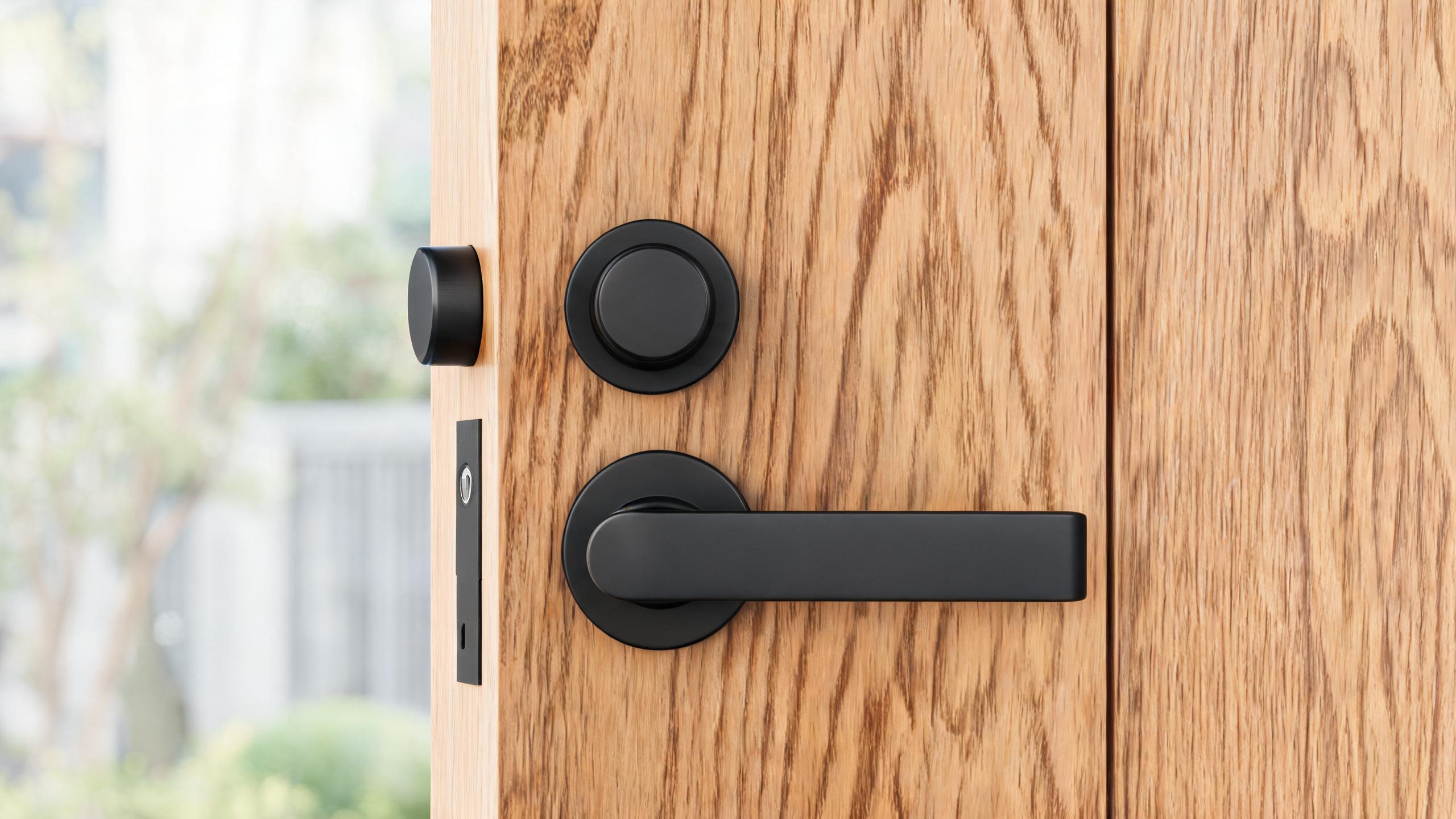 Cylindrical euro and ANSI case families
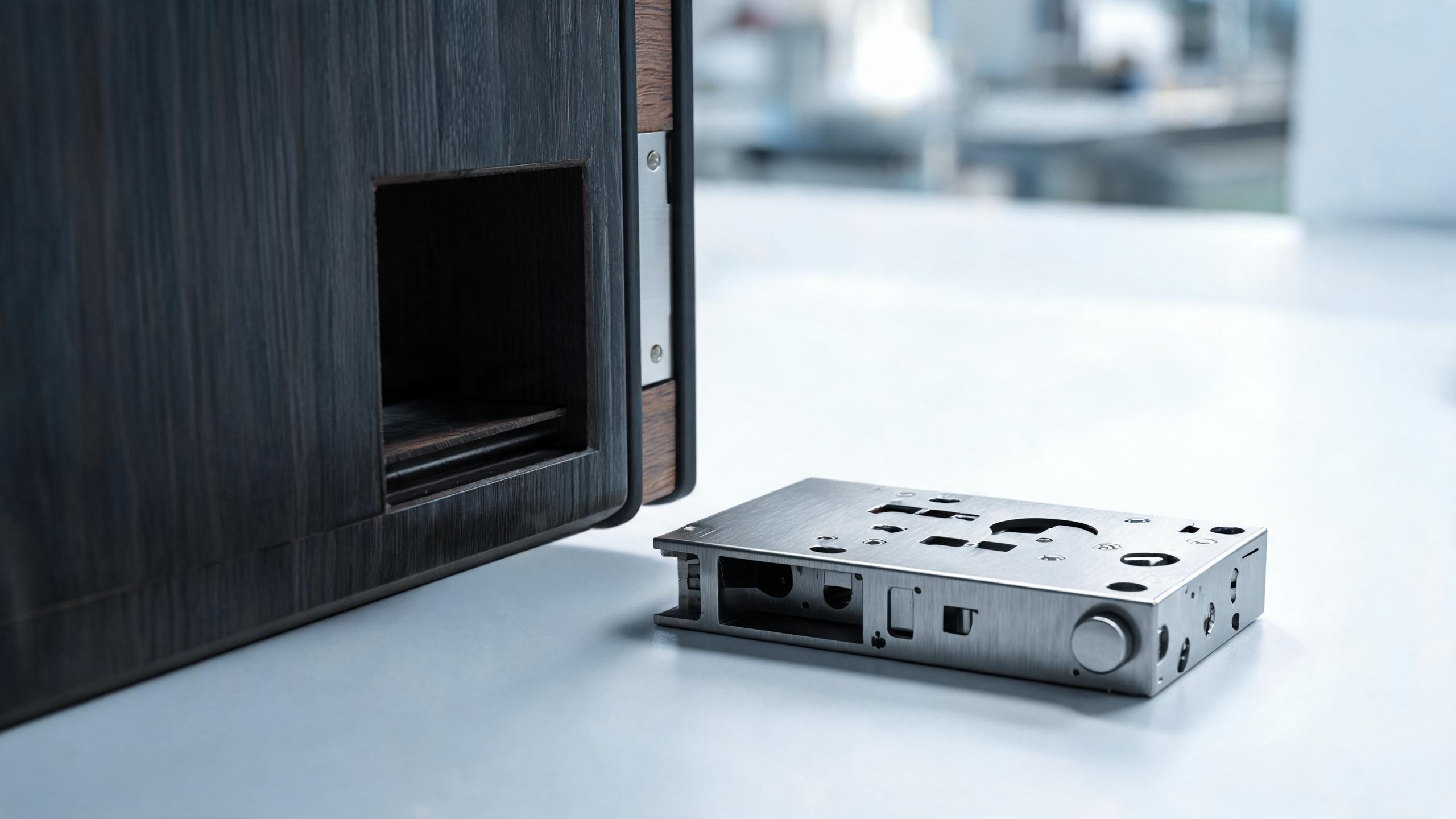 Mortise case and spindle service items
 Fingerprint reader module replacement
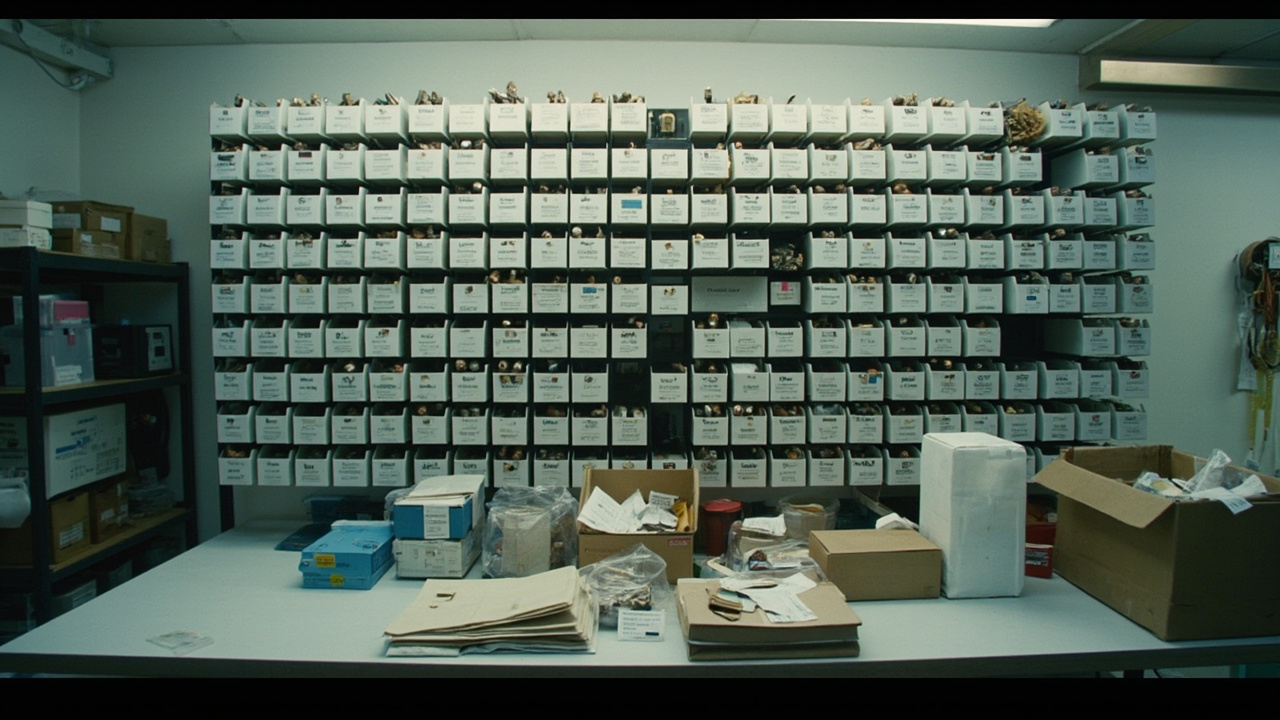 How a spare-parts request is processed
Reorder
Reorder lead time and how to avoid a stock-out
A spare is a production item like any other, and it waits behind the same five clocks as a lock. That is the fact most likely to surprise an operator: the part looks small, but the batch match, the firmware flash and the packing still happen in the same building, and the line still runs in model order. Lead time is quoted per order and depends on model mix, finish and customization, and a spare order is no exception.
Four habits keep a stock-out from happening. Order with the fleet, not after it. The cheapest spares are the ones produced in the same run as the locks, because the batch, the finish and the firmware build already exist. Set a reorder point in parts, not in money. A store that reorders when it notices a gap reorders late; a store that reorders at a stated count reorders on time. Keep the batch labels with the stock. A bin of parts without a label becomes unmatchable in 12 months, and a mixed bin is worse than an empty one. Decide who holds the stock in writing. A ratio that lives in a contract and not in a store fails on the first weekend of a hotel opening.
The fifth habit belongs to the buyer rather than the operator: buy the module buffer with the original order. A reader module ordered in year three has to be matched to a batch from a production run that may have ended, and the match is possible only if the label survived. A module ordered with the fleet is the same lot by definition, and that is the difference between a 3-year service plan that works and one that needs a new part number every year. A fleet planned for a 5-year life is planned differently from one replaced at the first major failure, and the buffer is the line where that shows. The supply-side view of that risk is on supply chain, and the training that teaches a stores team to match parts is on partner training.
Boundary
What is not sold as a spare part
Not included: bare castings, unfinished housings, loose firmware files, card secrets, master-key blanks and individual components inside a module. Each is withheld for a reason that a buyer can check.
- We do not sell unfished castings or bare housings. A housing without plating and without an assembly check is not a part; it is a promise that the buyer will discover the finish problem on a door.
- We do not send firmware files loose. A build is bound to a board revision and a parameter set, so it ships as a programmed board with the version recorded, not as a file.
- We do not release card secrets or master-key data. A credential list travels as a room list without secrets, and a keying schedule travels to the cylinder supplier, not through a spare parts order.
- We do not sell components inside a module. A motor, a sensor or an antenna sold separately would have to be soldered by the buyer, which moves the assembly risk to the wrong party.
- We do not sub a module across card standards without a written change. A reader that reads a different card family is a different product, and the fleet it serves would need new credentials.
The line is drawn at the point where the buyer would have to finish the part or take on the assembly risk. Everything up to that point is available: assemblies, modules, holds, cylinders, panels, latches and gaskets. The parts that are refused are the ones that would arrive looking correct and fail later, which is the failure mode this page exists to prevent.
Verification
What an operator can verify before the fleet is installed
A spare parts problem is cheap to prevent at handover and expensive to solve in year three. Seven documents and habits make the difference, and all of them can be checked before the last door is commissioned.
- A carton label kept per delivery, with the model, the batch and the serial range visible
- The model code written on the asset register, not only on the purchase order
- The firmware build recorded against the fleet, so a replacement board can be flashed to match
- The card standard recorded, MIFARE Classic or DESFire EV2, so a reader spare is the right family
- The keying schedule filed with the property, because a cylinder cannot be matched without it
- The spare ratio written into the purchase order as a quantity, with the batch it came from
- One bin per part family, labelled, so a mixed bin never reaches a door
The asset register is the item most often missed and the cheapest to create. A spreadsheet with the room, the model, the batch and the date is enough to turn a photograph into a part number. A facility team that inherits a building without one can still rebuild it from the carton labels and the commissioning sheets, provided the commission sheets were signed. That rebuild is worth doing before the first replacement, because a leaf that measures 38 mm where the drawing assumed 45 mm will need a different body, and the body is chosen from the register rather than from the corridor.
The record side of that handover is described on installation support, and the document pack that supports a tender is at compliance documents.
FAQ
Spare part questions facility teams ask in year three
Can you identify a part from a photograph?
A photograph narrows the family and rarely settles the revision. Send the photo together with the carton label or the model code, and the family becomes a part number. Without either, the reply is a list of variants and a request for the label.
Do you still have parts for a model you no longer list?
The part records stay with the batch, and assemblies are held or built against those records. What ends is new production of the model itself. A fleet that bought its module buffer with the original order is unaffected by the model leaving the catalogue.
Why can a reader from another model not be used?
Because the reader is tuned to the antenna in that front panel and paired with the card standard the fleet uses. A module from a different model can read at a different distance and a different standard, which breaks either the range or the credentials already issued to rooms.
What is the smallest spare order you accept?
It depends on the part and on whether the part is in a running build. The current MOQ policy is confirmed in writing with each quotation, and a spare order placed with a fleet order normally shares that order's set-ups rather than creating its own.
How long should spares be kept before they are replaced?
Replace on condition rather than on a calendar. A gasket hardens, a cell ages and a plating wears, but a board and a latch do not expire in storage. A cell pack that reads 1.5 V per cell when installed and 1.2 V at a service visit is the same pack telling two different stories, and the second one is the reason to change it.
Can we order spares for a building we did not buy the locks for?
Yes, if the batch can be established. The route is the carton label, the purchase order number or the model code with the year of installation. A building acquired without records can still be matched by removing one lock and reading the label inside the battery compartment or on the board.
Do spares carry the same warranty as a new lock?
The warranty terms are stated with the quotation and the order, and a spare is covered on the same terms as the part it replaces. A claim needs the batch and the commissioning record, which is why the label and the handover sheet matter more than the receipt.
Send the batch label and the part photo
Send the carton label or the batch number, the model code, the year of installation and one clear photograph of the part in place. We reply with the part revision that matches your batch, the ratio worth holding from here, and the reorder route. Current MOQ policy and lead time are confirmed in writing with the quotation.
Request a quoteRequest the catalog