
Smart locks are security hardware that get installed in someone's home or business for years — buyers need a supplier that answers after the balance payment. This page explains how warranty, spare parts and technical support work, what is covered, and how to reach the team when a problem needs engineering rather than a call-center script.
Support model
Two-tier support: partner first, factory behind
Distributors and installers know their customers and their doors — they provide the fast first line. Factory engineering stands behind them with diagnosis guidance, firmware/platform coordination and hardware replacement decisions for confirmed manufacturing defects.
This is faster for end users than a factory on another continent answering tickets, and it keeps your customer relationship with you.
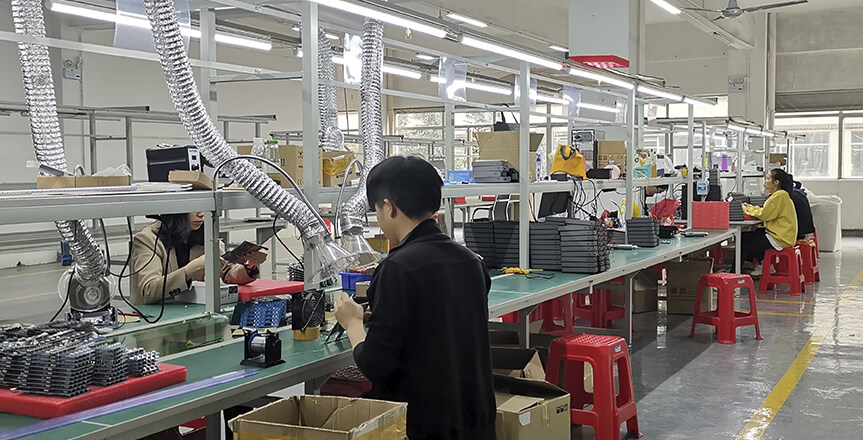
Board-level diagnosis at the factory for escalated hardware issues
Coverage
What warranty covers — and what it does not
Typically covered
- Manufacturing defects in the lock body, board or assembly
- Electronics failure under normal use and correct installation
- Firmware/platform defects on supported programs, fixed by OTA where possible
- Replacement units or spare parts for confirmed defects, according to order terms
Not covered
- Wrong installation, door misalignment or incompatible mortise fitting
- Water damage in models not rated for the exposure they received
- Normal wear of batteries, surface wear and consumables
- Damage from impact, attempted forced entry, tampering or unapproved repair
- Loss caused by lost phone credentials or user code management
The precise warranty period and procedures are agreed per order and stated on the proforma invoice — avoid assuming generic consumer-retail terms for commercial shipments.
How distributors stay ready
Most field issues are solved without returning a lock when common parts are on the partner's shelf. Production orders are planned with a spare-parts discussion up front, not after the first claim.
| Part | Why partners keep it |
|---|---|
| Mortise lock bodies | Door compatibility varies; swap resolves most mechanical complaints |
| PCB / control boards | Board swap is faster than return shipping for confirmed electronic faults |
| Handles, springs, screws | Small hardware lost or damaged during on-site installation |
| Cylinders and keys | Emergency override continuity for end users |
| Accessories and cables | Connectors, gaskets and weather seals for service visits |
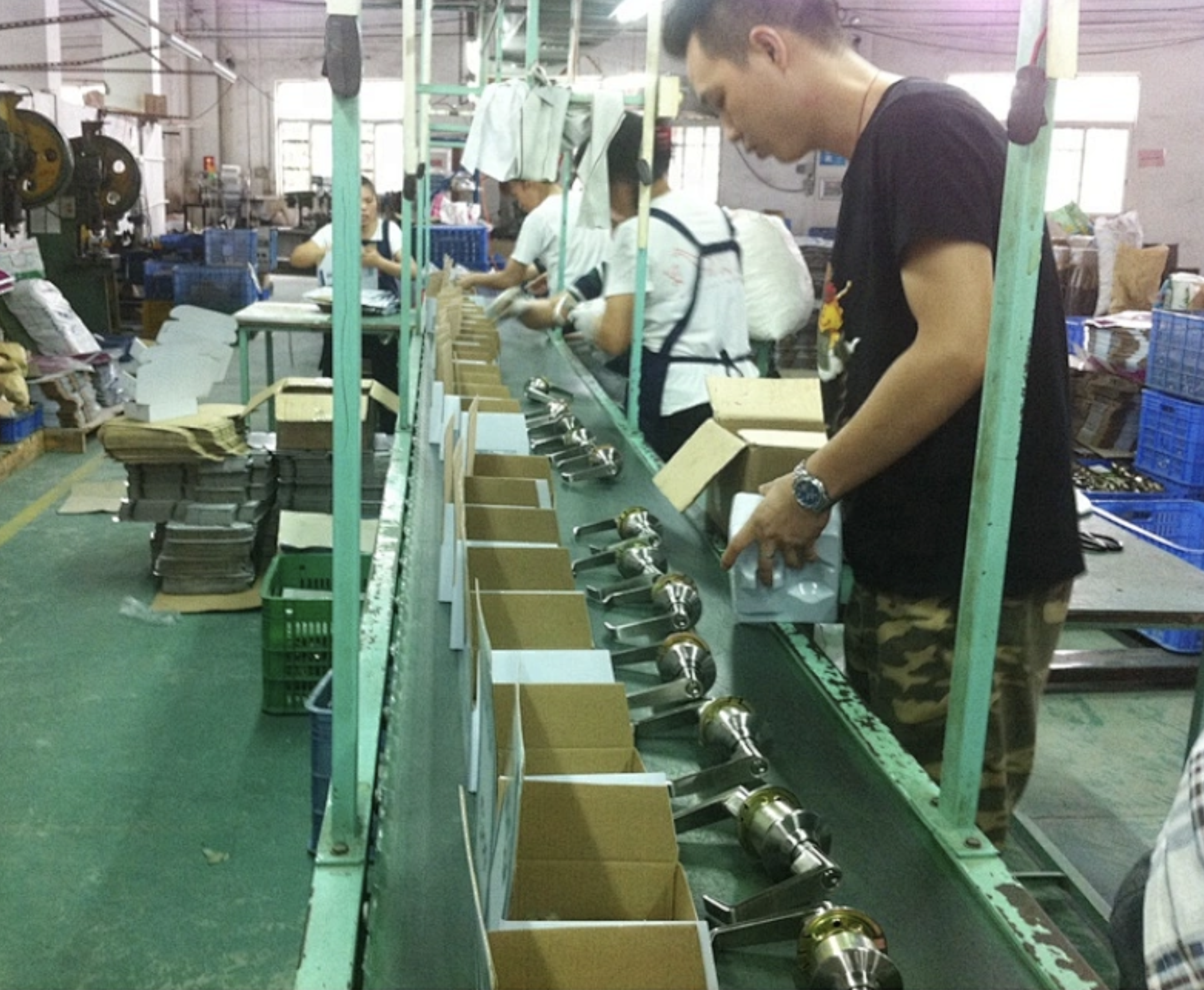
Handle and lock-body assembly: the components service teams keep in stock
The support process that gets a real answer
- Collect the evidenceOrder or batch reference, model label, a short video of the fault, installation photos and what the user did before the problem appeared.
- Check the common causesBattery orientation, cable seating after installation, door alignment and app/firmware version — most field faults are not hardware defects.
- Contact through your channelPartners email or message with the evidence; factory engineering responds with diagnosis steps instead of generic replies.
- Decision and resolutionConfirmed defects are handled by replacement units, spare parts or credit according to the order terms; OTA fixes are coordinated where the platform allows.
Support programs
Support and service
Installation and Technical Support →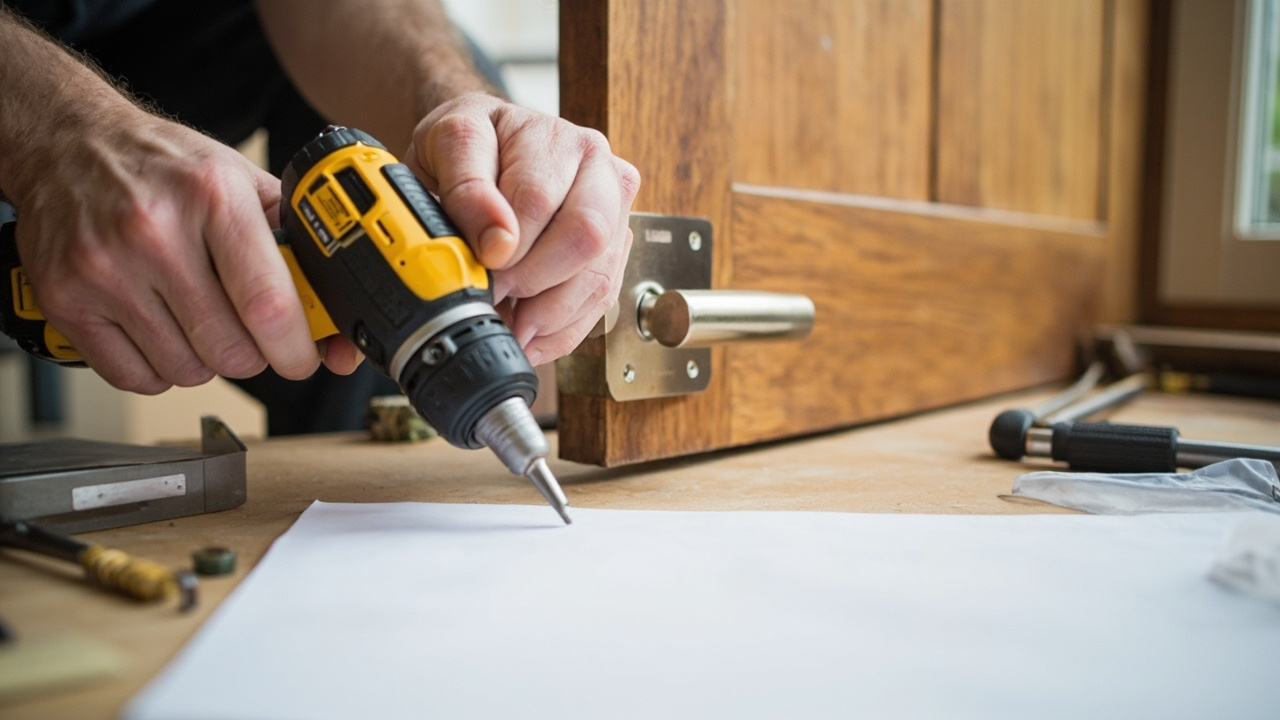
Installation and Technical Support →
Pre-sales door review, installation guidance and escalation routes when a site issue appears.
Partner Training Program →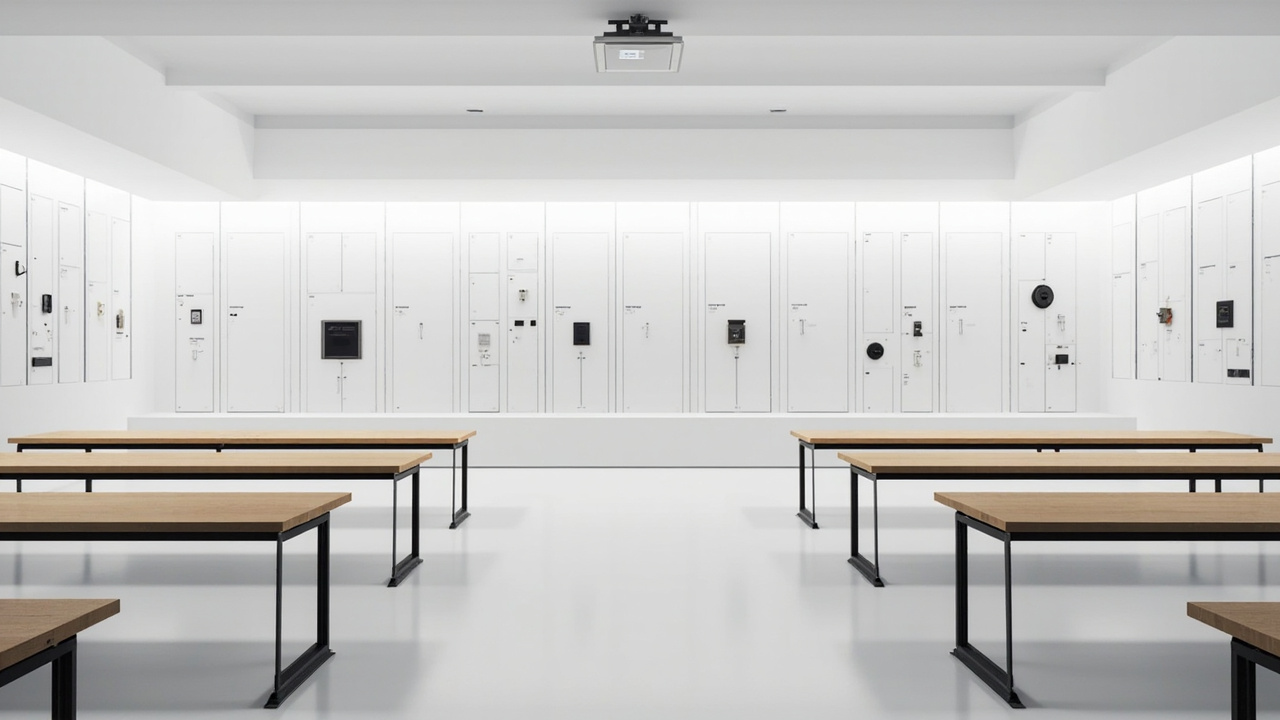
Partner Training Program →
Product, installation and troubleshooting training for distributors, installers and integrators.
Smart Lock Spare Parts →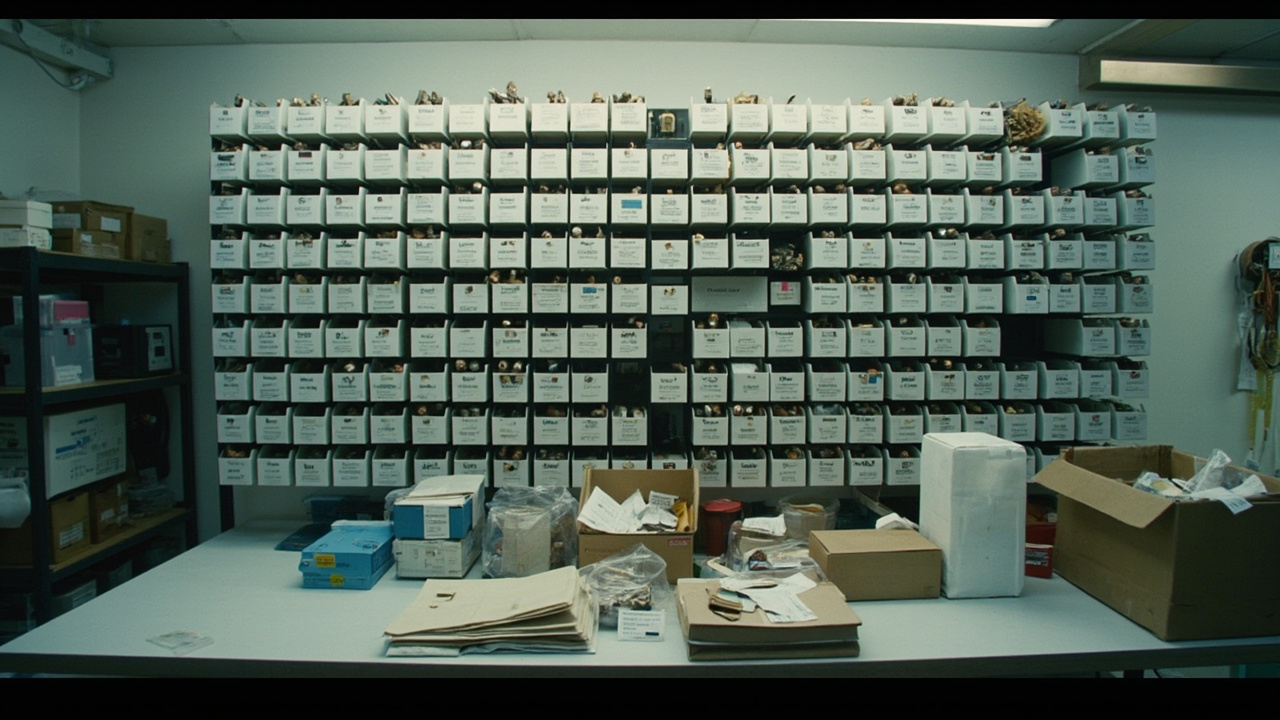
Smart Lock Spare Parts →
How spare locks, cylinders and boards are planned so installed estates stay serviceable.
Smart Lock Project Management →
Smart Lock Project Management →
Schedules, documents, inspection and shipping coordination for multi-phase lock projects.
Frequently asked questions about support and warranty
How long is the warranty period for smart locks?
Warranty terms are agreed per order and stated on the proforma invoice rather than using one universal period for all markets and channels. Ask for the written warranty schedule for your model and volume when requesting a quote.
Do we have to return defective locks to China?
Not for every case. Distributors keep agreed spare parts for field replacement, and confirmed-defect units are often settled by replacement with the next order rather than individual international returns. The procedure is defined in your order terms.
What happens if a lock fails after the warranty period?
Support does not stop — spare parts and paid replacement remain available for established models, and engineering guidance continues for partners. End-of-life of specific components is communicated for mature platforms.
Can the factory support our end users directly?
First-line support runs through the distributor or installer who knows the installation; factory engineering supports the partner. For direct project customers, the support channel is defined in the project agreement.
Are firmware updates included?
OTA firmware updates for supported Tuya/TTLOCK programs are handled by the platform under its program rules; hardware-affecting firmware issues found after shipment are addressed jointly with engineering.
What if the lock was damaged during shipping?
Transit damage is handled through receiving inspection and the forwarder claim process — record carton and unit damage before signing for the cargo. See the receiving checklist in logistics and shipping.
Need support with an order or installation?
Write with the order reference and a short video of the fault — the team will route it straight to engineering.
Contact SupportDistributor program