
Last updated: October 31, 2026 · Reviewed by export engineering
A lock is not installed on a door. It is installed on a door someone else prepared, on a schedule someone else wrote.Almost every installation failure is a fact that was known on site and never reached the factory.
Installation support is not a helpline bolted onto a product. It is a set of inputs, tiers and records that decide who pays when a door is already cut. This page states what has to arrive before the first lock is fitted, what a video call can and cannot fix, the eight failures we see most often and the fix for each, and the point at which responsibility transfers. Read it before the first door, not after the eighth.
Tiers
Three support tiers and what triggers an upgrade
Support is cheapest when it starts as a document and most expensive when it starts on a doorstep. The three tiers below are not a ladder a buyer climbs for better service; each one exists because a specific kind of question cannot be answered at the tier below. The trigger column is the part worth reading, because it decides who pays.
| Tier | What it covers | Trigger for entering it | Response basis | Cost basis |
|---|---|---|---|---|
| 1 – Document self-service | Installation manual, door schedule template, hole drawing, failure table, firmware and credential setup guide | Any first question about fit, wiring or enrolment | Answer already exists in the pack issued with the order | Included with every order |
| 2 – Remote video support | A scheduled session with an engineer, camera on the door, the lock in hand and the record sheet open | The documented step has failed twice, or the symptom is not in the failure table, or a photo and a measurement disagree | Session booked against the order number and a time window agreed in writing in the destination time zone | Included inside the commissioning window named on the quotation; quoted after it |
| 3 – On-site or third-party inspection | A physical visit, or a nominated inspector following a checklist written by the buyer | Door stock that cannot be measured remotely, a first installation on a new door type, or a site that has moved past the documented procedure | Visit scheduled against the door schedule, with the scope agreed before travel | Travel and engineer time quoted per visit |
The upgrade logic is deliberately narrow. Tier 2 exists for questions that need to see the door, not for questions that need a faster reply. If a fit problem can be answered by a drawing, a session wastes both sides. If a fit problem is a 38 mm door leaf that will not take a body built for a 45 mm leaf, no document will answer it and the session is overdue. The trigger is the evidence, not the urgency.
Installation support starts with the measurement
The lock is the easy part of the job. The failures come from a wrong backset, a leaf thickness outside the range, or a door that moves in its frame. The support material covers those three cases before the lock leaves the carton.
- A measurement sheet with the backset, leaf thickness and door swing
- Cut templates and drilling dimensions per model, marked on the template
- A written escalation path when the door does not match the drawing
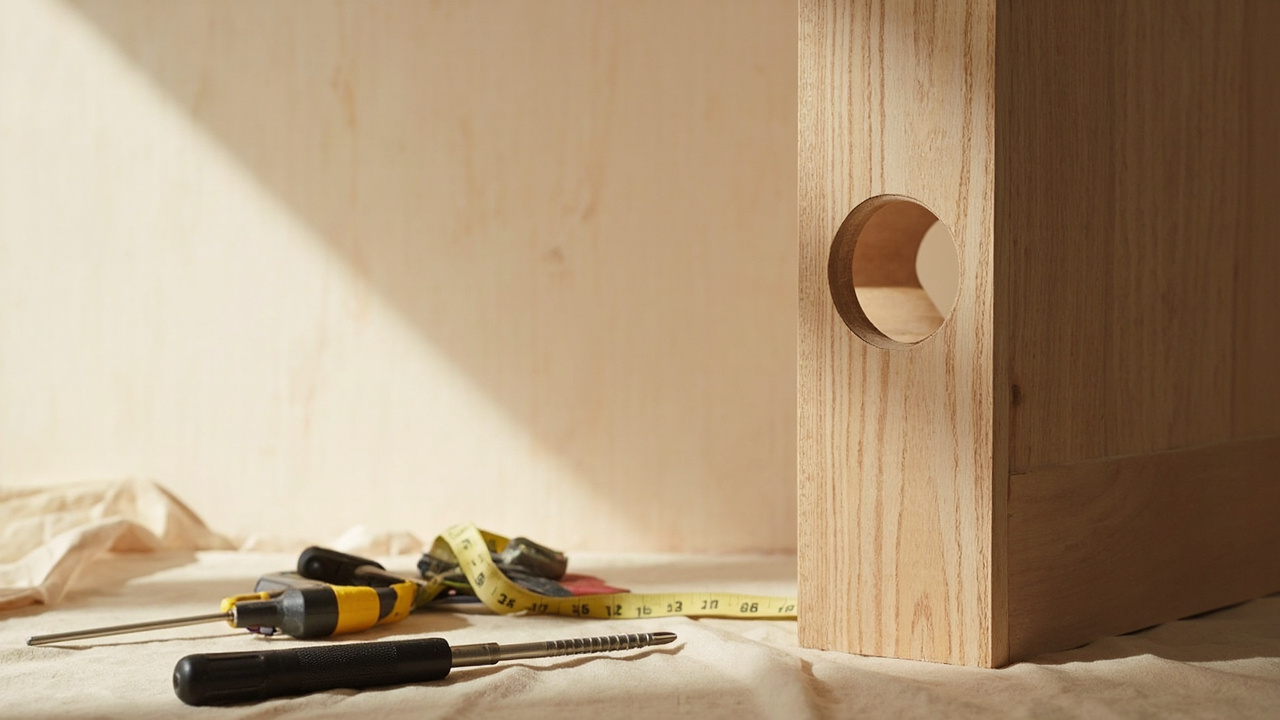 For installersMost call-backs are measurement errors, not product faults.
Inputs
What must arrive before installation starts
Most site problems are created before the first carton is opened, by information that never travelled. The list below is what an installer has to send, and the third column is what fails when it is missing. None of it is difficult to collect; all of it is difficult to reconstruct after a door has been cut.
| Input | What to measure or send | What fails without it |
|---|---|---|
| Door thickness | Leaf thickness at three points, top, middle and bottom, because a leaf is rarely uniform | A body that sits proud at the hinge side and flush at the strike side, or a spindle that binds after painting |
| Edge and backset | Distance from the door edge to the spindle centre, and the existing lock case depth | A mortise that will not enter the prepared pocket, or a handle that lands under a frame stop |
| Hole drawing | The door preparation drawing in use, with the revision and the date | Holes drilled to a drawing the factory never saw, discovered when the faceplate is offered up |
| Door type | Wood, steel, aluminium, frameless glass, with the closing mechanism and the frame material | A reader tuned on a bench that reads at 2 cm and fails at 45 mm on a steel leaf |
| Lock body model | The model and mortise designation, for example a No. 2 hotel mortise | A body supplied for one preparation and a strike supplied for another |
| Handing | Left or right, inward or outward, noted per door rather than per floor | A lock fitted on the corridor side of a room door, correct in every other respect |
| Site photographs | Three frames per door: the full leaf, the existing cut-out, and the frame strike | A dispute about what the door looked like before anyone arrived, which nobody can settle later |
The door schedule is the document that holds all of it, and it is worth more than a specification. A specification says what the lock is; a schedule says which lock goes on which door, with the thickness, the handing and the strike. A 200-door property without a schedule installs 200 decisions twice, once in the corridor and once again when the wrong lock is carried back to the store.
The reference model for a hotel fit is the SLK-2020: a 306 mm x 75 mm x 15 mm body on a No. 2 hotel mortise, with an RFID reader working at 13.56 MHz and 4 x AA cells. Those dimensions are the ones an installer measures against, and none of them can be confirmed from a photograph of the corridor. The models in that family are listed at the product catalogue, and the fit checks that apply to each are on the installation FAQ.
Remote
Remote support: what a video call can fix, and what it cannot
A video call is the most underrated and most overused tier. It can settle a question in twelve minutes that would take three emails and a week. It cannot settle a question that needs a tool in a door. The split below is the honest one, and it is the reason the trigger for tier 2 asks for evidence rather than urgency.
| A video call can fix | A video call cannot fix |
|---|---|
| A parameter set that is wrong for the site, read back on screen and corrected | A pocket cut in the wrong place, which needs a chisel and a decision about who owns the door |
| A credential that will not enrol, when the card, the encoder and the reader are all on camera | A leaf that measures 38 mm where the schedule said 45 mm, because the measurement is the fact |
| A lock that reports ready but does not throw, when the motor current is visible at the bench | A strike plate that is 2 mm out of line, because the correction is mechanical |
| A handing error identified before the second door is cut, which turns a repeat mistake into one door | A finish that was approved on a screen and does not match the sample in daylight |
| A battery contact that is visibly bent, confirmed against the drawing on the call | A site where the door frame itself is out of square, which no remote view can measure |
| A firmware version that does not match the fleet, confirmed and reflashed on the spot | A warranty question about a failure nobody can reproduce on camera |
The practical rule: put the tape measure in the frame. A call that starts with a lock on a table is a call about a product; a call that starts with a lock on a door is a call about a fit. The second kind resolves in one session far more often, because the engineer can see the gap at the faceplate, the strike alignment and the leaf thickness in the same shot.
Failures
Eight installation failures and the fix for each
These eight account for most of the site calls we take. Each has a symptom an installer can see, a root cause that usually sits one step earlier in the process, a correction that can be done on site, and a prevention that belongs in the door schedule.
| Failure | Symptom | Root cause | On-site fix | Prevention |
|---|---|---|---|---|
| Backset mismatch | The mortise will not enter the pocket, or the handle sits too close to the frame | The existing cut-out was made to a different backset than the model supplied | Re-cut the pocket to the drawing, or change to the body that fits the existing preparation | Backset measured and written on the schedule before the order is placed |
| Door too thin or too thick | The body sits proud at one edge, or the spindle binds when the door closes | Leaf thickness was assumed from the floor type rather than measured | Adjust the faceplate and spindle, or move to the thin-door variant of the family | Three-point thickness measurement on every door, not one sample per floor |
| Handing reversed | The lock is on the corridor side of a room door | The schedule described a floor rather than a door | Swap the body to the correct side before the second door is started | Handing recorded per door, left or right, inward or outward |
| Holes drilled after the finish | Plating lifts at the cut edge and the faceplate leaves a bright ring | The door was refinished after preparation, and the lock was fitted into a changed surface | Ream the hole, fit a trim plate, and record the deviation | Prepare, finish, then fit, in that order, written into the site sequence |
| Reader weakened by metal | A card reads at 2 cm on the bench and fails at 45 mm on a steel leaf | Antenna tuning done on a bench, not on the door that will carry it | Reposition the reader, confirm read distance on the actual door, record the result | Door type and leaf material declared before the model is chosen |
| Strike out of line | The latch throws but the door does not hold, or the bolt hangs on the strike lip | The frame strike was set before the lock body was fitted | Adjust the strike to the bolt, not the bolt to the strike | Frame strike measured with the body in place, before the frame is finished |
| Battery contact bent | The lock works on the bench and reports low battery on the door | Cells were loaded without checking the holder contacts, or the holder was compressed by the case | Straighten the contact, load 4 x AA cells, read 1.5 V per cell under load, record the value | Cells loaded and voltage read at commissioning, not at the factory alone |
| Glass door clamp misaligned | The frameless glass lock sits off-centre and the patch fitting does not close cleanly | The glass was fabricated before the lock template was issued | Re-position the clamp within the glass edge tolerance, or replace the patch | Glass template released before fabrication, with the lock model named on it |
Five of the eight start with a missing measurement, not a defective product. That ratio is the reason this page puts inputs before failures: the most useful support document is not a troubleshooting guide but a measuring sheet that arrives before the first carton. The remaining three are sequencing errors, where the right work was done in the wrong order, and each is prevented by writing the site sequence into the project plan rather than leaving it to the installer's habit.
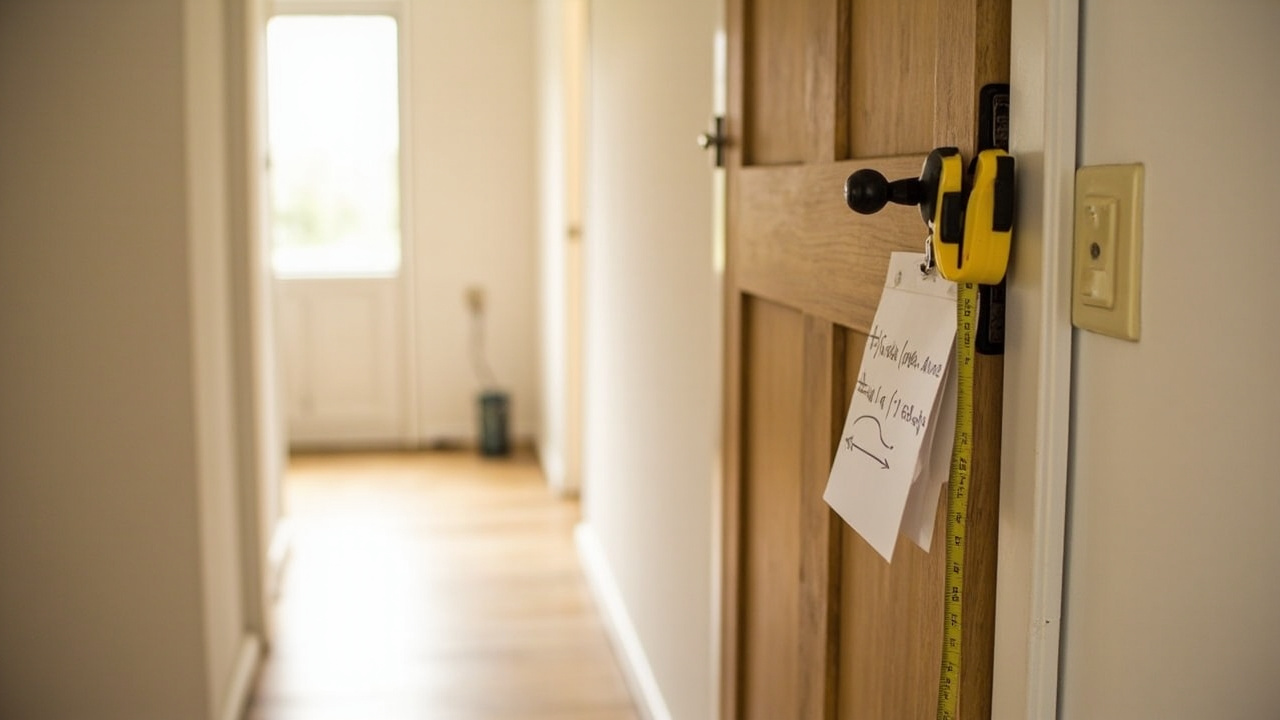 Measuring the door before ordering
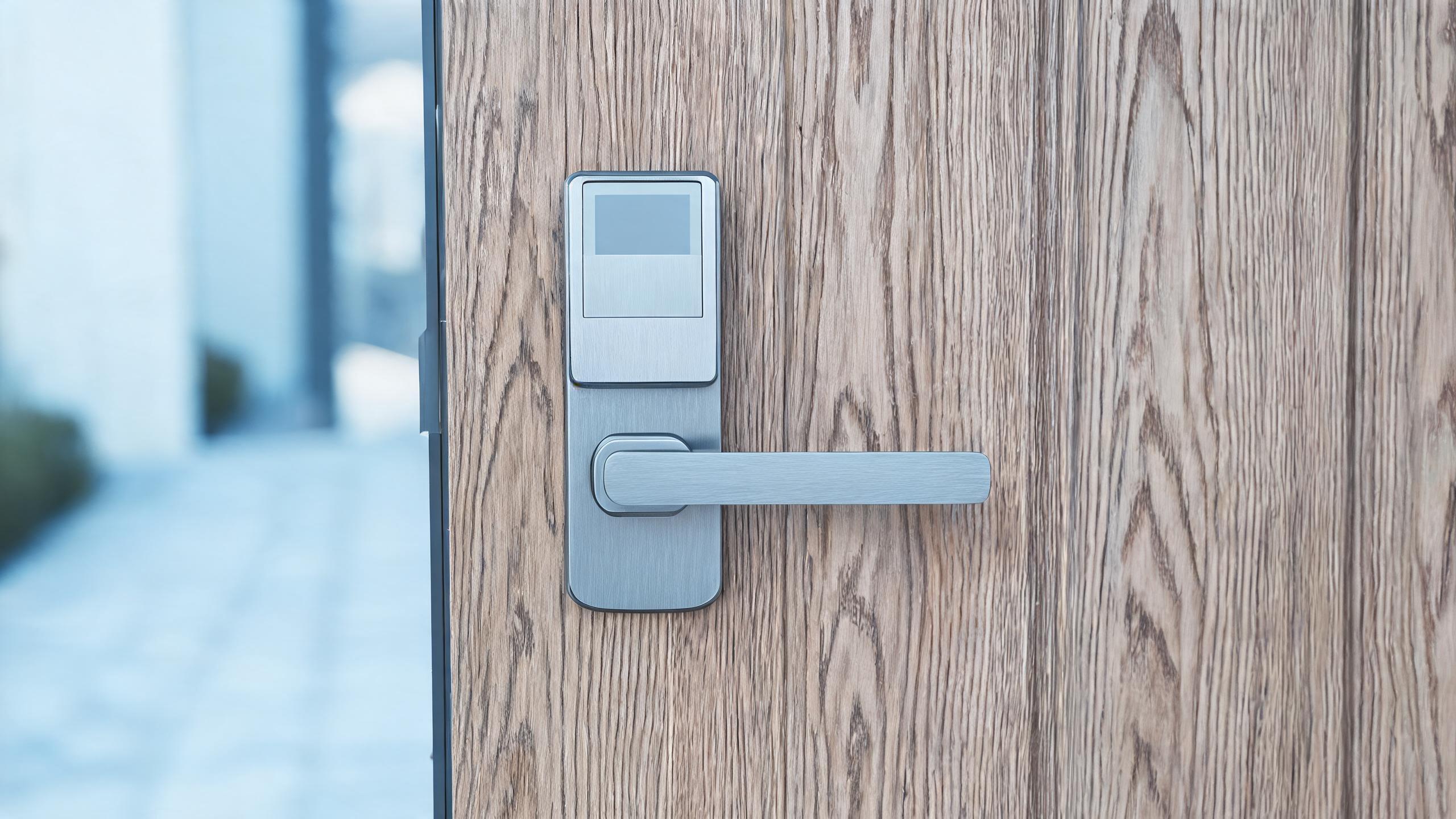 Wooden doors and the hardware that fits
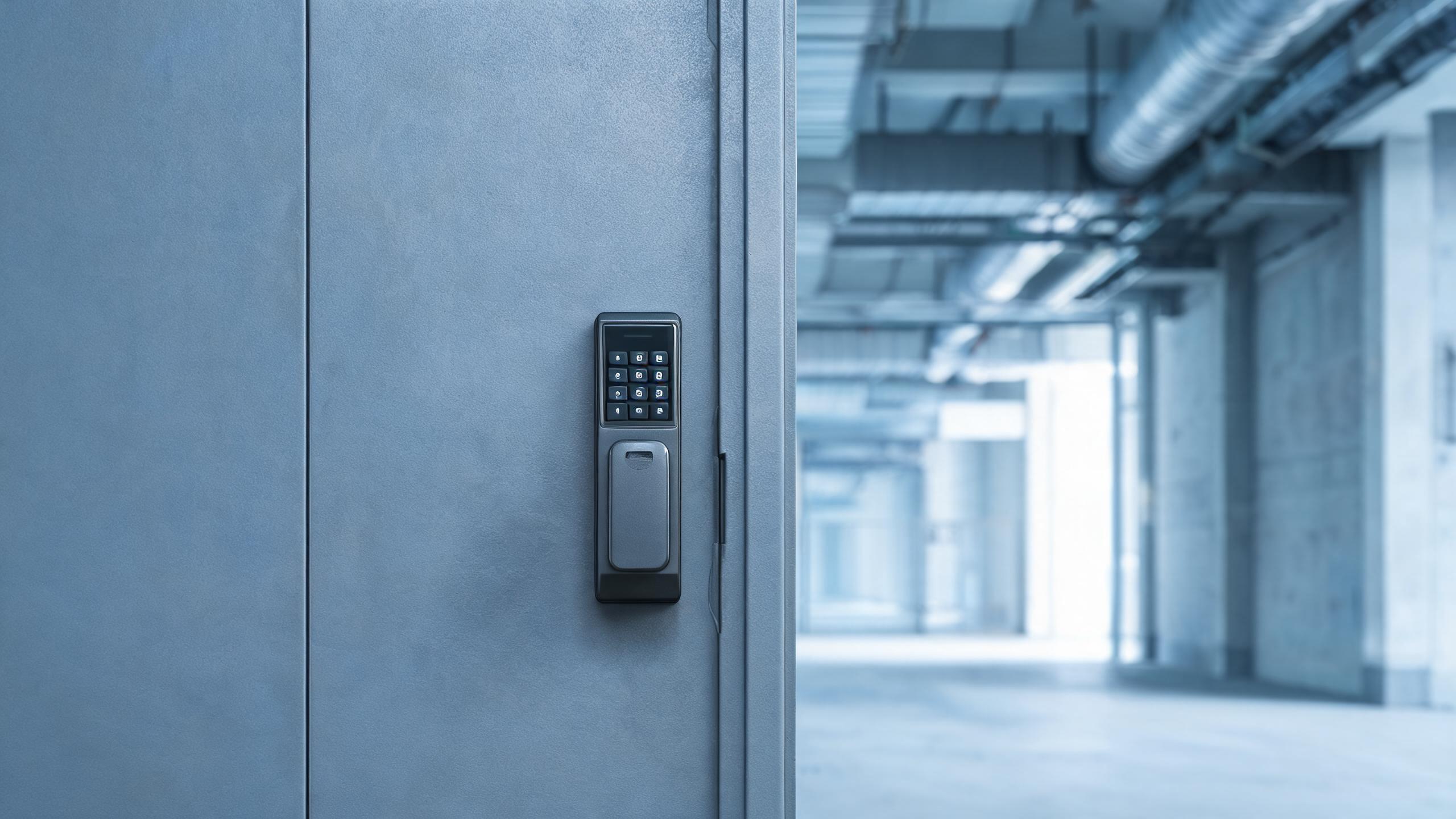 Steel doors need a different mounting method
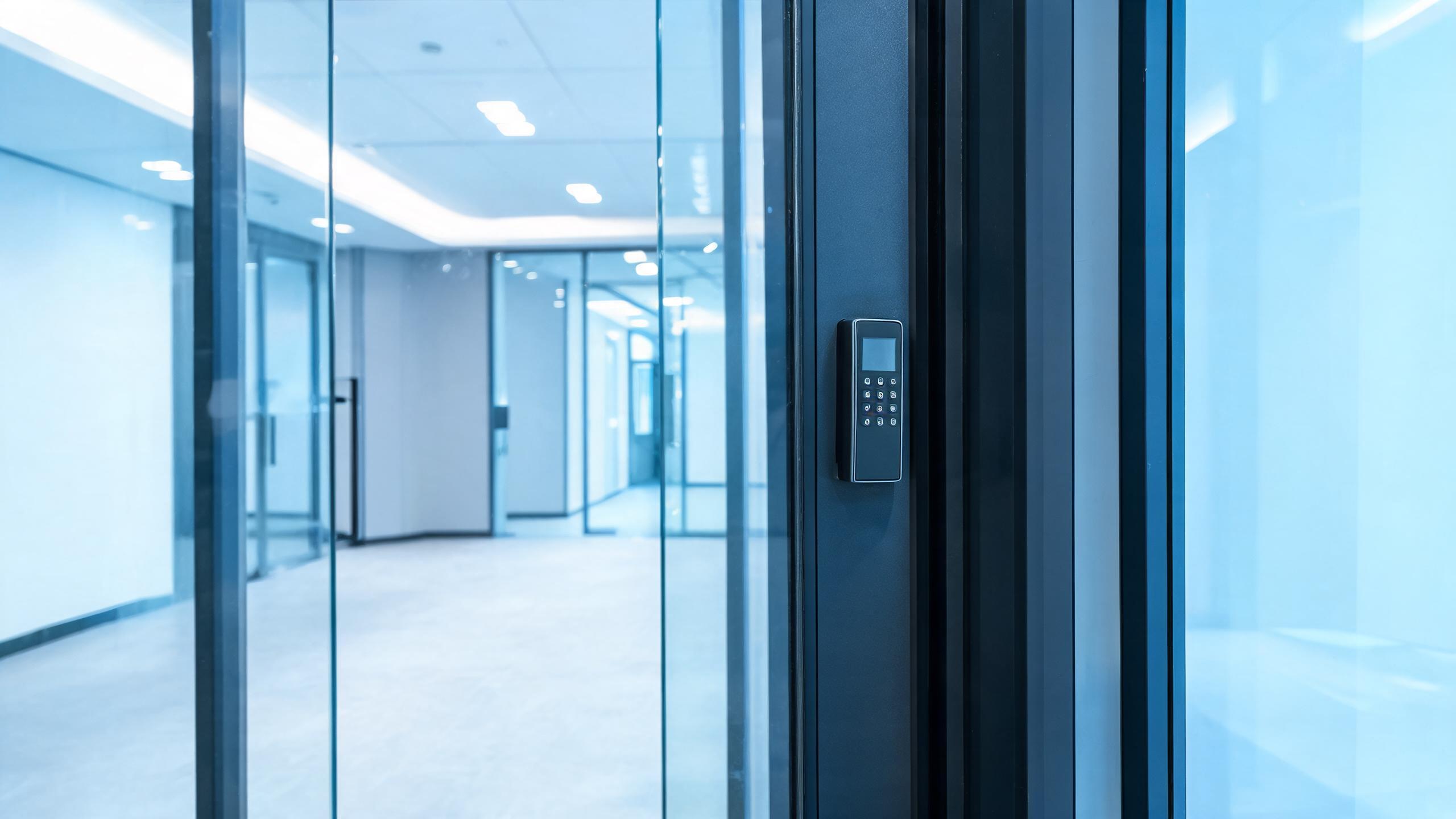 Framed glass doors and the glass lock route
 Installation support scope and response
 Narrow stile: a backset that does not forgive
Responsibility
Who is responsible when a door is already drilled
The question is not who is at fault. It is who supplied the drawing that the hole was cut to, because that is the party that owns the error. Three cases cover almost every dispute, and each ends with a different party paying.
Case one: the hole was cut to our drawing. The drawing we issued carries the revision and the date, and if the cut follows it, the error is ours. The correction is a replacement body or a rework instruction at our cost, and the record that settles it is the drawing revision on the door schedule.
Case two: the hole was cut to the site's own drawing. The installer or the door supplier prepared the leaf to a document we never saw. The correction is quoted, not absorbed, and it is quoted against the same drawing comparison. This case is common on refurbishments where the existing preparation is reused and the new body is assumed to match.
Case three: no drawing exists. The door was cut by habit. This is the expensive case, because there is no document to compare and no way to establish what was intended. The fix is usually a trim plate or a new leaf, and the only prevention is to stop the line until a drawing is issued.
All three cases share one rule, and it belongs in the purchase order rather than in a conversation: the party that issues the door preparation drawing owns the consequence of following it. A buyer who wants the factory to carry the risk should ask for the drawing before fabrication. A buyer who wants to keep the preparation in-house should expect rework to be quoted. The inspection route that supports either choice is on quality control.
Records
Commissioning records: what is signed and kept
Commissioning is the point where a delivered lock becomes an installed asset, and it is the last moment when a defect can be attributed to a party with evidence. The record set is small, and all of it fits on one sheet per door plus one sheet per site.
| Record | What it holds | Who signs | How long it is kept |
|---|---|---|---|
| Door schedule with results | Door number, model, handing, thickness, backset and the pass or fail result | Installer and site supervisor, per door | With the project file for the life of the installation |
| Function check | Motor both directions, credential read, keypad or biometric, override key, lock-state feedback | Installer, countersigned by the property representative on handover | With the project file, referenced in any warranty claim |
| Firmware and credential record | Build identifier, encoder version and the credential list by room, without card secrets | Commissioning technician and the property's system owner | Until the next firmware change or handover |
| Battery reading | Cell count and the voltage read under load at handover | Installer | With the function check sheet |
| Deviation list | Every door that did not follow the drawing, with the correction applied and the photograph | Installer and site supervisor | With the project file, and copied to the buyer's defects register |
The signature that matters is the second one. An installer signing his own work proves the work happened; a property representative signing a function check proves the owner accepted the result. When a lock fails in year two, the difference between a warranty claim and a billable repair is usually whether that second signature exists and what it covered.
Boundary
What installation support does not include
Not included: door preparation, door hardware supplied by others, electrical work, network commissioning outside the lock, and a guarantee that a door prepared by a third party will accept the lock. These are stated because each is routinely assumed to sit inside an installation package.
- We do not cut doors or door frames. Preparation is a site trade with its own tools, tolerances and liability; our input is the drawing and the check, not the chisel.
- We do not install the strike, closer or hinge supplied by another party. Those parts set the door's behaviour, and a lock cannot compensate for a closer that slams.
- We do not carry the risk of a preparation we did not draw. If the leaf was cut to another document, the correction is quoted.
- We do not commission a network we do not supply. Gateway placement, IP addressing and firewall rules belong to the site's IT owner, and a lock that is offline by design needs none of it.
- We do not promise that support is free after the commissioning window. The window is stated on the quotation; after it, a session or a visit is quoted.
The boundary protects both sides. A factory that accepts responsibility for a door it never saw is a factory that will argue about it later. A factory that refuses to help with fit is a factory that leaves an installer alone at the worst moment. The line between those two is the drawing revision, and it is worth agreeing before fabrication rather than after the first door.
Verification
What a project manager can verify before the first door
Before a single lock is fitted, a project manager can check six things that decide whether the installation will be boring. Each is a document or a measurement, none of them takes a day, and each one removes a category of site call.
- The door schedule exists, with thickness, handing and backset on every line, not on a sample floor
- The preparation drawing carries a revision and a date that match the drawing the factory issued
- One door has been prepared as a trial and offered a lock before the rest of the batch is cut
- The failure table has been read by the installer who will actually attend the site, not only by the buyer
- The commissioning sheet is printed and the name of the property representative who will sign it is known
- The commissioning window on the quotation has been diarised, so a tier 2 session is inside it rather than after it
A trial door is the highest-value item on that list. It converts a schedule into a measurement and a drawing into a fit, and it does so at a cost of one leaf instead of a floor. Where a project cannot spare a trial door, the substitute is a measured photograph set per door type plus a written acknowledgement that the first door is the trial.
The documents that travel with the order are listed at compliance documents, the door-level templates are in buyer resources, and the model drawings are requested through the catalogue request.
FAQ
Installation questions asked on the first site call
What is the first thing you need from the site?
A door schedule with thickness, handing and backset per door, plus three photographs per door. Most first calls end with a measurement that was never taken, and the schedule is the only document that prevents a second visit.
Can you support an installer who is not your partner?
Yes, at the same three tiers. Tier 1 needs an order number and a model, tier 2 needs a booked window and a person at the door with a camera, and tier 3 needs a scope agreed before travel. A third-party installer receives the same documents as a partner's own team.
Who pays for rework when the preparation is wrong?
The party that issued the drawing the door was cut to. If the leaf follows our drawing revision, we correct it. If it follows a document from another party, the correction is quoted. If no drawing exists, the case is decided on the deviation list and the photographs taken before work started.
How many doors can one installer fit in a day?
That depends on the preparation, not on the lock. A prepared leaf with a correct pocket and a set strike takes far less time than a leaf that has to be re-cut on site. The useful planning figure is doors per team per shift, measured on the trial door, rather than a figure quoted from a catalogue.
Do you provide an on-site engineer for a first installation?
Tier 3 exists for that case, and it is quoted per visit with travel included. For most projects the cheaper route is a tier 2 session on the trial door plus a written checklist, because the first door teaches the team what the remaining doors will ask.
What happens if a lock fails its function check at handover?
It is recorded as a fail on the door schedule, not signed off with a note. The unit is swapped from the spare ratio or repaired, the deviation list is updated, and the same door is checked again before handover. A fail that is signed as a pass is the record that costs the most in year two.
Is training available for the installation team?
Yes. The module map, the certification path and the assessment method are on partner training. A team that has completed the installation module usually needs tier 2 for exceptions rather than for routine fits, which is the point of the programme.
Send the door schedule and the site photos
Send the door schedule, the preparation drawing revision, the door types and three photographs per door type. We reply with the fit check for each model, the inputs that are still missing, and the support tier that matches your site. Current MOQ policy and lead time are confirmed in writing with the quotation.
Request a quoteContact the support desk