
Comparisons
Smart lock comparisons: choose credentials, lock bodies and platforms with confidence
Conclusion-first decision guides comparing access methods, connectivity, lock standards and software ecosystems — with the right fit for each buyer scenario.
There is no single “best” smart lock — there is the best lock for your doors, users and operation. Every comparison in this hub is written conclusion-first: what each option is, how they differ across the dimensions that matter (use case, users, security, power, integration, installation and cost level), and which scenario each one wins. Start by comparing the real product families below, then use the topic map to find the exact head-to-head question you are researching.
Compare real product families
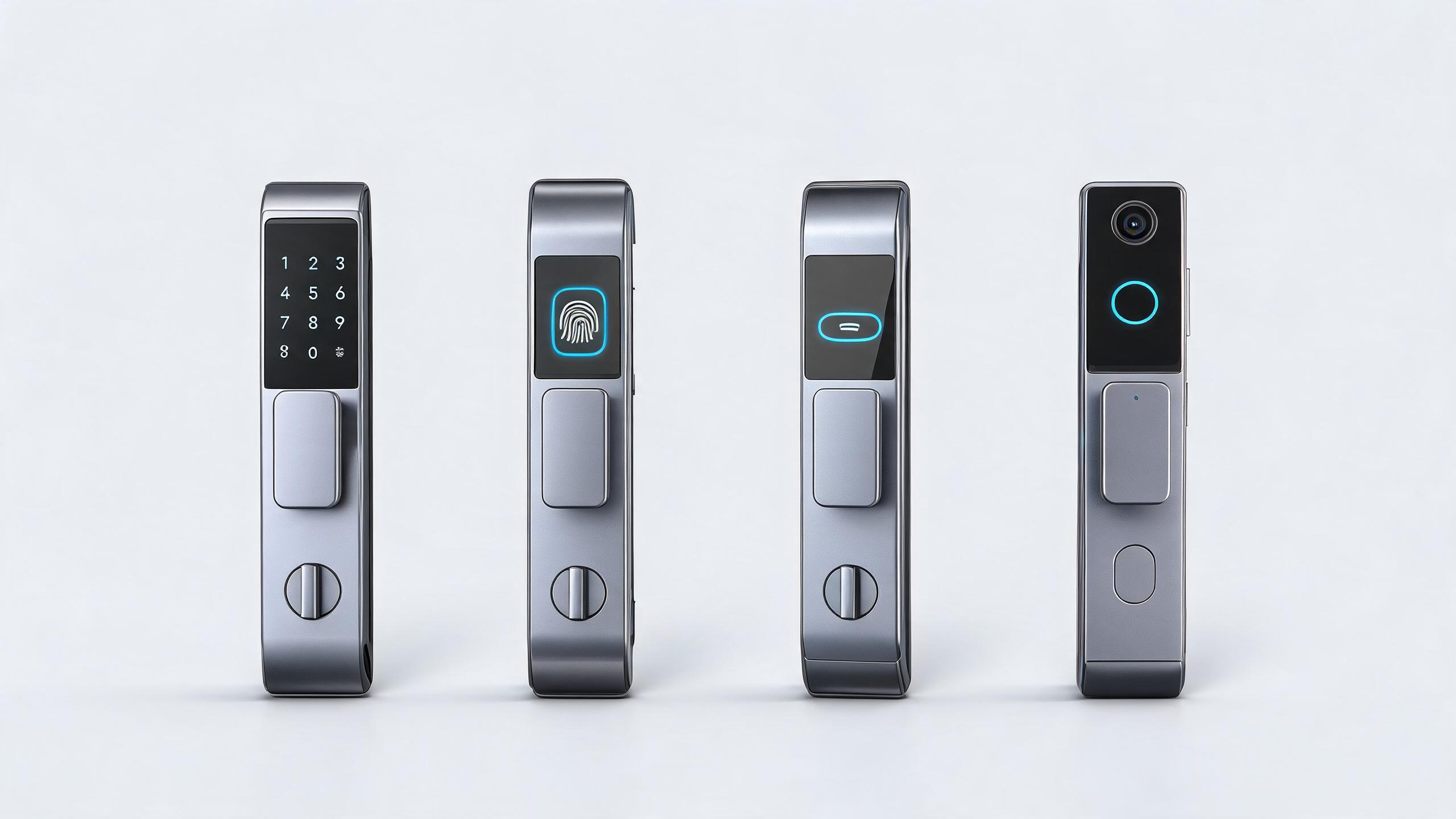
Product categories you can quote now
Fingerprint door locks
Fingerprint locks
Biometric entry with no credential to carry, suited to offices, members and homes.
Face recognition door locks
Face recognition locks
Hands-free 3D face verification for premium residential and commercial doors.
Keypad door locks
Keypad locks
PIN and temporary-code entry for rentals, small businesses and shared doors.
RFID door locks
RFID card locks
Contactless cards and wristbands for high-turnover hospitality and facilities.
Hotel door locks
Hotel locks
Offline RFID room locks, encoders and card management software in one system.
Video camera door locks
Video camera locks
Camera and intercom locks for seeing and talking to visitors at the door.
Outdoor door locks
Outdoor locks
Weather-sealed lock bodies for gates, patios and exposed perimeter doors.
Cabinet locks
Cabinet locks
Compact locks for cabinets, lockers, drawers and shared storage furniture.
All smart locks
All smart locks
The full 70+ model range across every credential and lock body family.
Comparison guides
Credentials
Fingerprint vs keypad →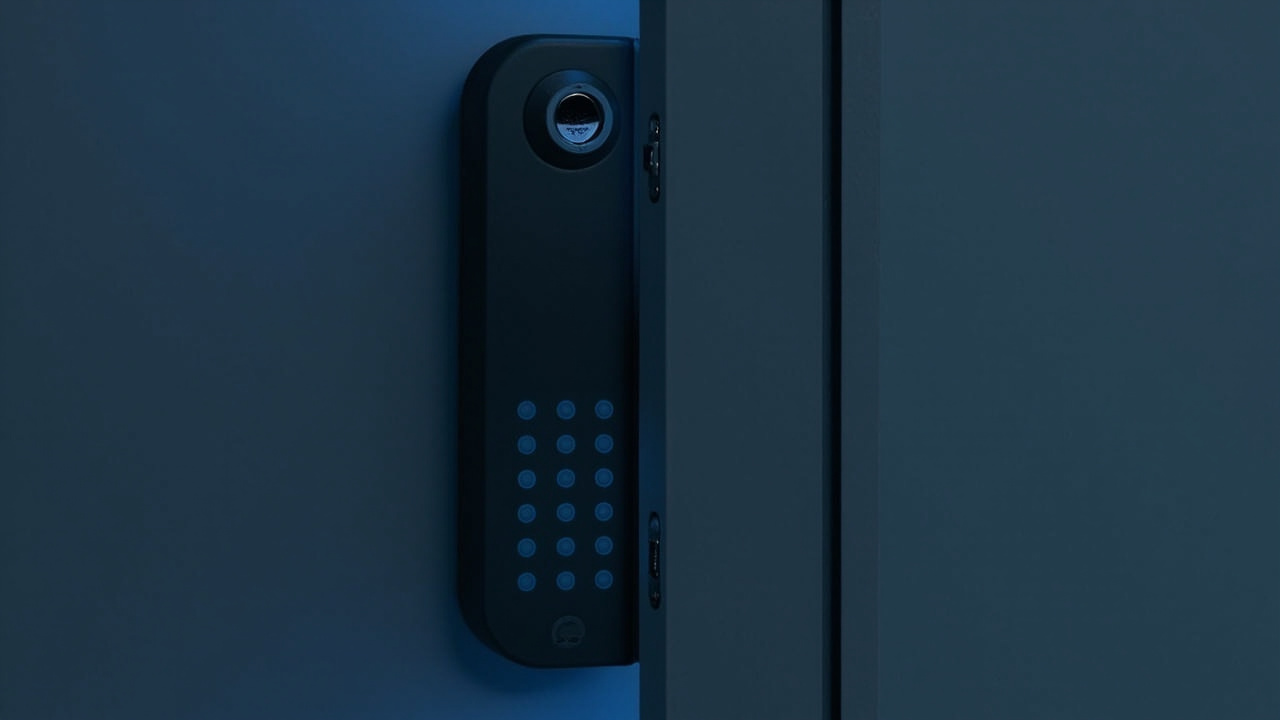
Fingerprint vs keypad →
Biometric convenience against code-sharing, weather fingers and keypad wear.
Fingerprint vs face →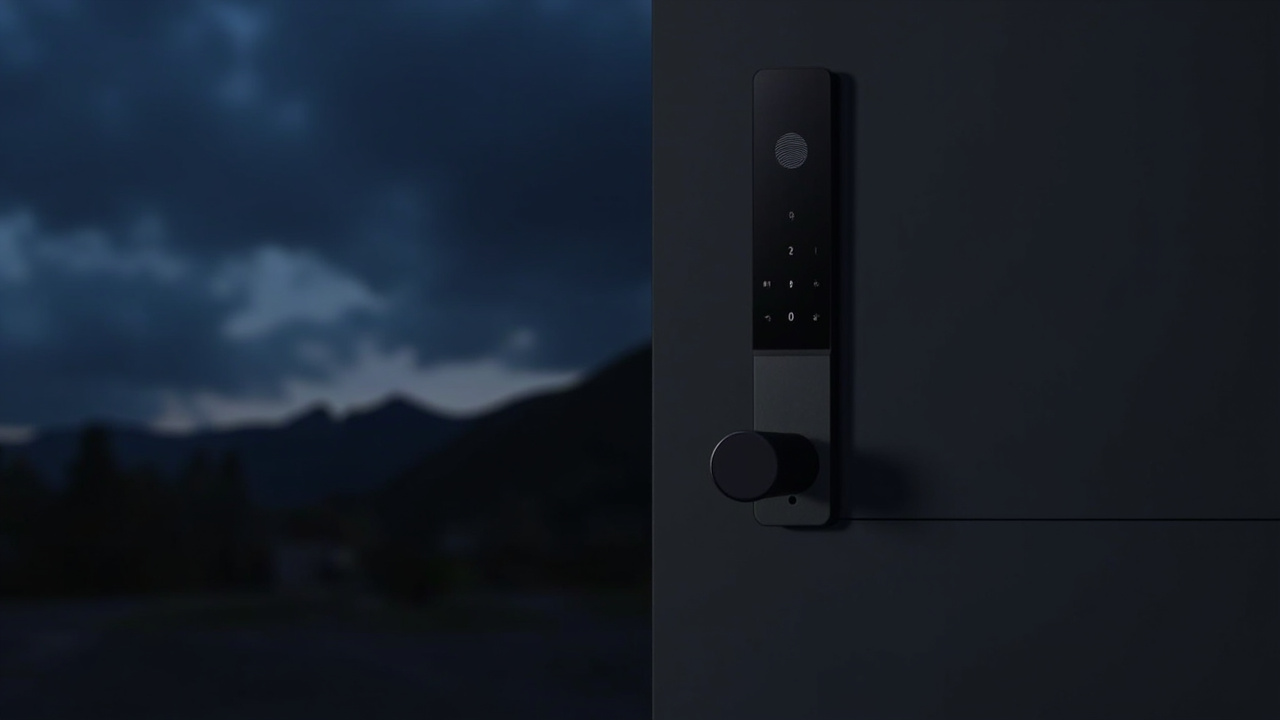
Fingerprint vs face →
Touch sensor speed versus hands-free 3D face on height, power and spoofing.
Face vs palm vein →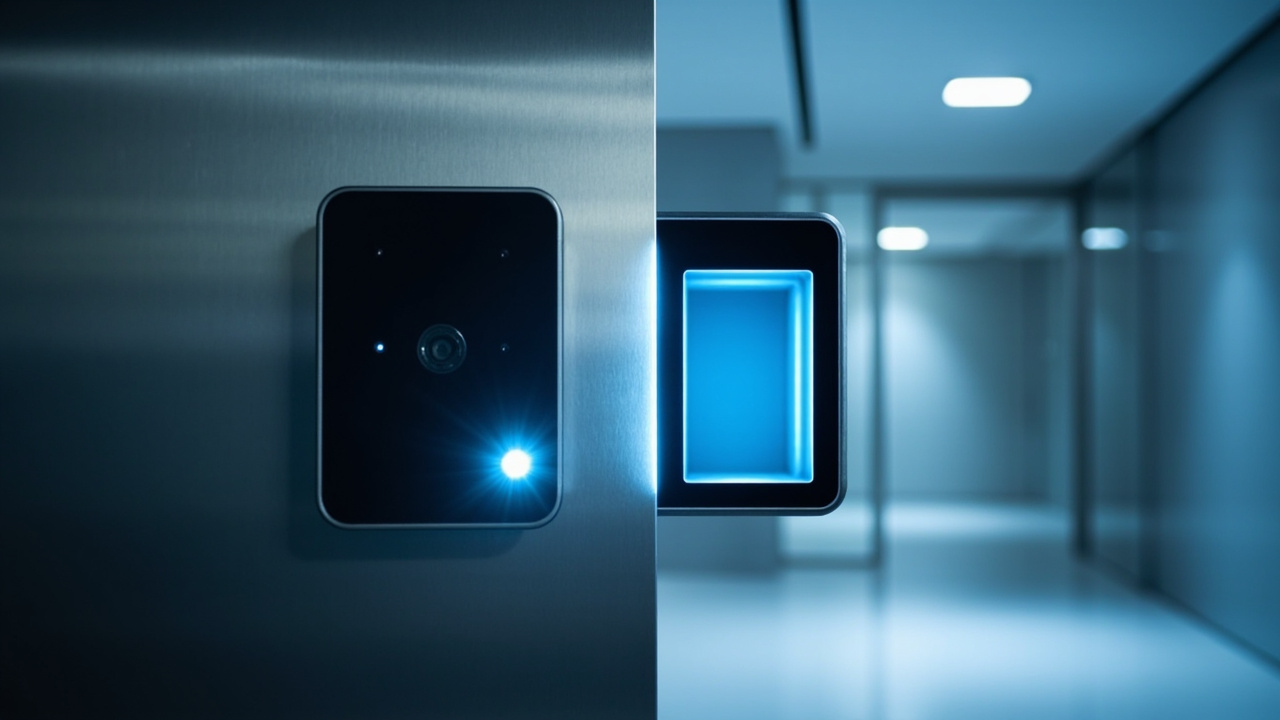
Face vs palm vein →
Two contactless biometrics compared on cost, hygiene, height and liveness.
Keypad vs RFID →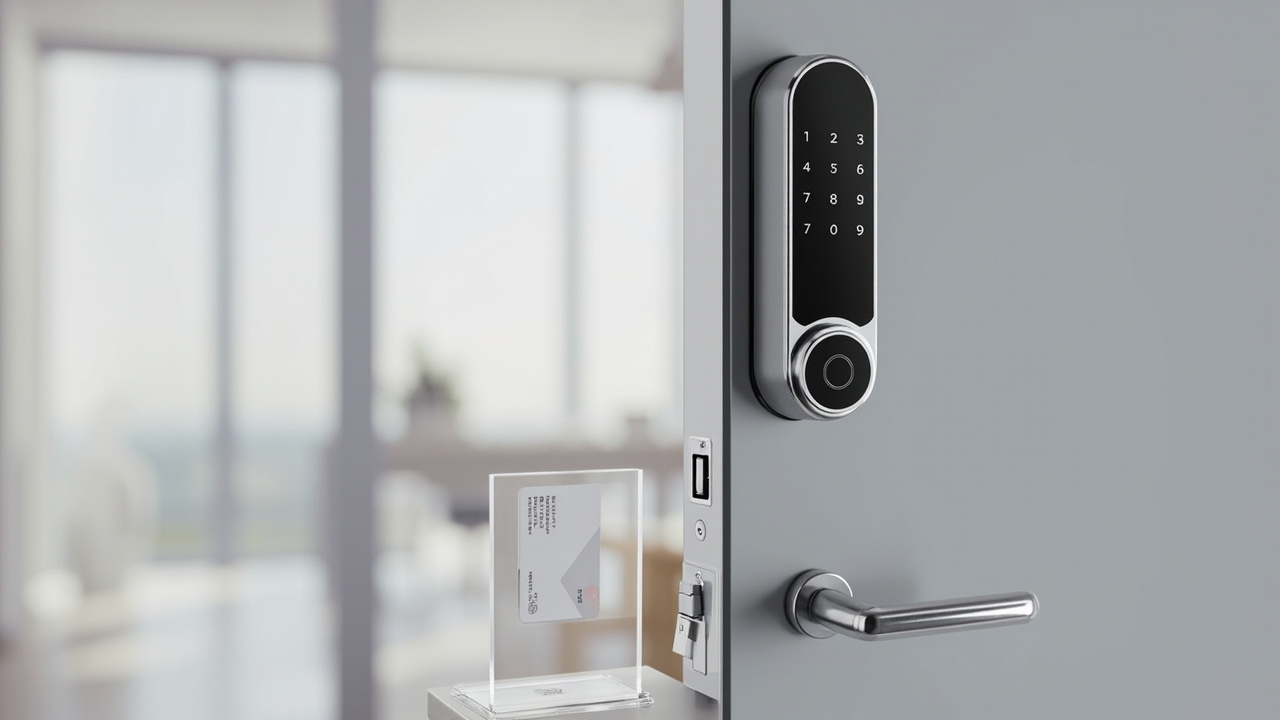
Keypad vs RFID →
Memorized codes against carried cards for turnover, auditing and wet hands.
RFID vs Bluetooth →
RFID vs Bluetooth →
Cheap replaceable cards versus personal phone keys and reader infrastructure.
Bluetooth vs Wi-Fi →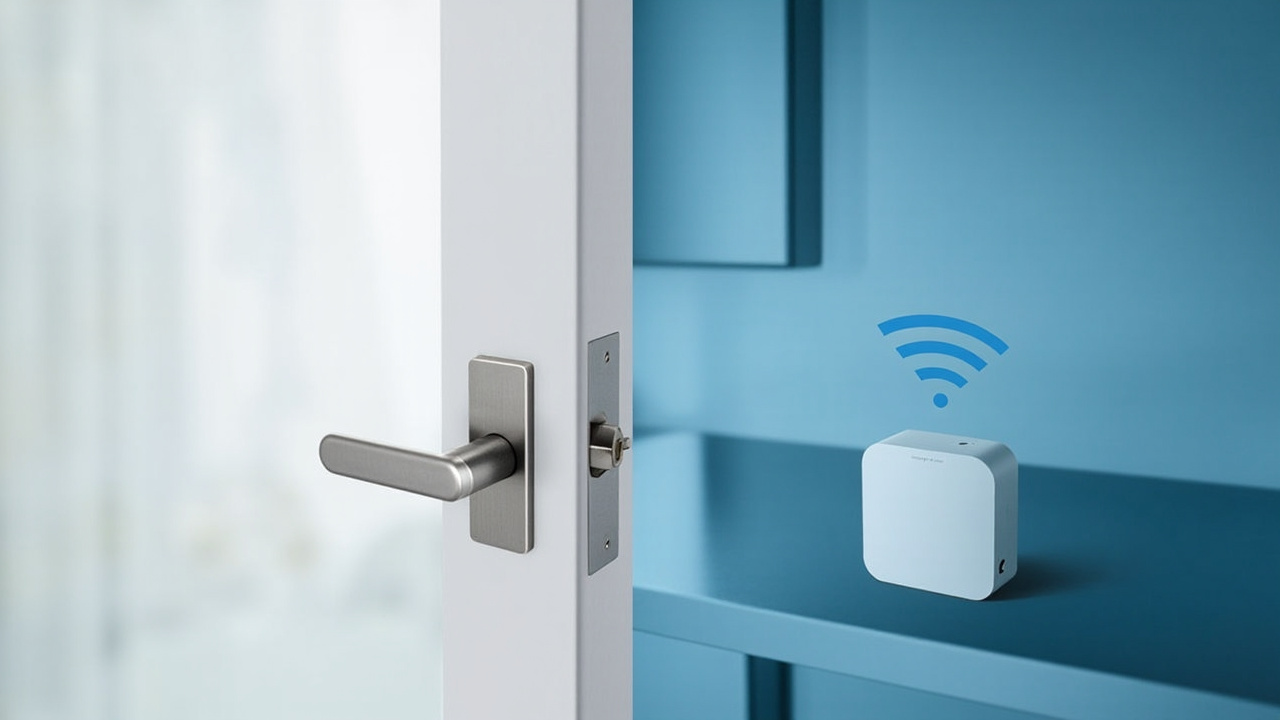
Bluetooth vs Wi-Fi →
Offline BLE efficiency against direct-cloud Wi-Fi convenience and battery cost.
Comparison guides
Connectivity & platforms
Wi-Fi vs Zigbee →
Wi-Fi vs Zigbee →
Direct internet links versus low-power mesh for reliability and battery life.
Zigbee vs Z-Wave →
Zigbee vs Z-Wave →
Two mesh radio choices compared on ecosystem, range and panel compatibility.
Tuya vs TTLock →
Tuya vs TTLock →
General IoT platform breadth against purpose-built access management tools.
Cloud vs offline locks →
Cloud vs offline locks →
Always-online platforms versus offline locks during outages and site moves.
Smart lock vs access control →
Smart lock vs access control →
Standalone smart locks against managed multi-door systems with panels and rules.
Comparison guides
Lock bodies & hardware
Mortise vs cylindrical →
Mortise vs cylindrical →
Pocketed cases against bored cylindrical prep on strength, trim and cost.
Deadbolt vs mortise →
Deadbolt vs mortise →
Single-bolt retrofits against integrated latch-and-bolt cases for traffic.
Rim vs mortise →
Rim vs mortise →
Surface-mounted night-latches against edge-pocket cases for retrofit doors.
Euro profile vs ANSI →
Euro profile vs ANSI →
European cylinder and case dimensions against North American bore standards.
ANSI Grade 1 vs 2 vs 3 →
ANSI Grade 1 vs 2 vs 3 →
What the three BHMA grade levels imply for cycles, strength and abuse.
Retrofit vs full replacement →
Retrofit vs full replacement →
Keeping the existing door prep against re-boring and full hardware renewal.
Battery vs hardwired →
Battery vs hardwired →
Wire-free battery installs against powered locks on maintenance and uptime.
Fail safe vs fail secure →
Fail safe vs fail secure →
Power-loss unlock for life safety versus power-loss lockdown for security.
Comparison guides
Use cases & sourcing
Hotel vs residential lock →
Hotel vs residential lock →
Hotel card systems with PMS and encoders against home-focused smart locks.
Airbnb vs hotel lock →
Airbnb vs hotel lock →
Guest self check-in codes against front-desk card encoding and checkout flows.
Glass door lock types →
Glass door lock types →
Clamp and patch fitting options for framed and frameless glass openings.
Cabinet lock types →
Cabinet lock types →
Electronic cam and latch locks for compartments, lockers and shared storage.
Outdoor lock types →
Outdoor lock types →
Weather-sealed gate and outdoor locks rated for rain, dust and temperature.
Smart lock vs mechanical →
Smart lock vs mechanical →
Audit trails, codes and revocation against key-only hardware and no batteries.
OEM vs ODM vs private label →
OEM vs ODM vs private label →
Three sourcing models compared on tooling, IP, MOQ and brand ownership.
Comparison topic map
Head-to-head guides in this knowledge center
Detailed comparison pages for the questions below are published in batches. The technologies hub already explains how each option works.
Credentials
Fingerprint vs keypadFingerprint vs faceFace vs palm veinKeypad vs RFIDRFID vs BluetoothBluetooth vs Wi-Fi
Connectivity & platforms
Lock bodies & hardware
Mortise vs cylindricalDeadbolt vs mortiseRim vs mortiseEuro profile vs ANSIANSI Grade 1 vs 2 vs 3Retrofit vs full replacementBattery vs hardwiredFail safe vs fail secure
Use cases & sourcing
If your priority is… start here
| Priority | Typical choice | Why it fits | Start here |
|---|---|---|---|
| No-app convenience for staff and members | Fingerprint | Fast, nothing to carry or remember | Fingerprint locks |
| High guest turnover | RFID cards | Cards expire at checkout; front desk encodes in one click | Hotel locks |
| Remote self check-in | Keypad codes + app | Time-limited codes issued remotely per booking | Rental guide |
| Hands-free premium entry | 3D face | Hard to spoof, works with arms full | Face locks |
| Glass partitions and shopfronts | Clamp glass locks | Mount without cutting the glass | Glass locks |
| Fully exposed outdoor gates | IP-rated outdoor bodies | Weather sealing protects electronics and reader | Outdoor locks |
| Lockers and cabinets | Cabinet locks | Compact form factor for furniture, not doors | Cabinet locks |
| Seeing who is at the door | Video camera locks | Camera, intercom and access in one device | Video locks |
Smart lock comparisons: common questions
Which is more secure: fingerprint, face, card or code?
Each can be secure when engineered well. Real-world security depends more on the lock body grade, credential management and installation than on the credential type alone. High-risk sites commonly combine two factors with graded permissions.
Are RFID hotel locks or code locks better for short stays?
Hotels traditionally use RFID cards with front-desk encoding on offline locks; self check-in apartments favor time-limited PIN codes via an app. Hotels can also add code locks for staff and service doors, so projects sometimes use both.
What is the difference between Tuya and TTLock?
They are different smart-lock app and cloud ecosystems with different firmware platforms, management features and market positioning. Each lock model runs on one platform, so confirm which one before ordering — the technologies hub explains both.
What do fail-safe and fail-secure mean?
Fail-safe hardware unlocks when power is lost, for life-safety egress situations; fail-secure stays locked to protect assets. Battery-powered smart locks are mechanically fail-secure and keep a physical override key.
Do you provide a model comparison sheet?
Yes. Request the catalog for specifications side by side, or send your shortlist and a sales engineer will compare the exact models against your door and project requirements.
Still deciding between options?
Tell us the doors, users and market — get a shortlist with the exact models and reasons for each choice.
Request a shortlistGet the catalogLast updated: October 31, 2026 · Reviewed by the Smart Lock Factory editorial team