
Standards & compliance
Smart lock standards and compliance documents explained for buyers
ANSI/BHMA grades, EN standards, CE, FCC, RoHS, UL fire ratings, IP and IK marks, and biometric privacy — what each one means and how to request proof.
Lock standards define the test methods and minimum requirements for durability, security, fire behavior and electromechanical performance; certificates are model-specific documents proving a particular product was assessed against them. There is no single global certificate — your destination market and the door’s use determine which rules apply. Always request the file covering your exact SKU and verify it with the issuing body; a generic certificate that does not list your model does not protect your import or your project.
Compliance resources
Verification resources available now
Certifications and compliance documents
Certifications
How CE, FCC and RoHS documentation works and how to request model files.
Quality control process
Quality control
IQC, in-process checks, end-of-line tests and pre-shipment inspection gates.
Manufacturing process
Manufacturing
From incoming materials to aged testing, assembly and the 100% line check.
OEM/ODM document support
OEM/ODM support
How certification and testing are handled for custom and branded projects.
Quote with your market stated
Market-specific RFQ
State your destination country to receive the matching document pack.
Standard guides
North America
ANSI A156.2 cylindrical locks →
ANSI A156.2 cylindrical locks →
Bored-lock dimensions, functions and cycle grades explained.
ANSI A156.13 mortise locks →
ANSI A156.13 mortise locks →
Mortise lock series, functions and the million-cycle Grade 1.
ANSI A156.25 electrified locking →
ANSI A156.25 electrified locking →
Fail-safe and fail-secure performance for electrified locks.
UL 10C fire-rated hardware →
UL 10C fire-rated hardware →
Fire-test requirements for door assemblies and listed hardware.
Standard guides
Europe & UK
EN 12209 locks and latches →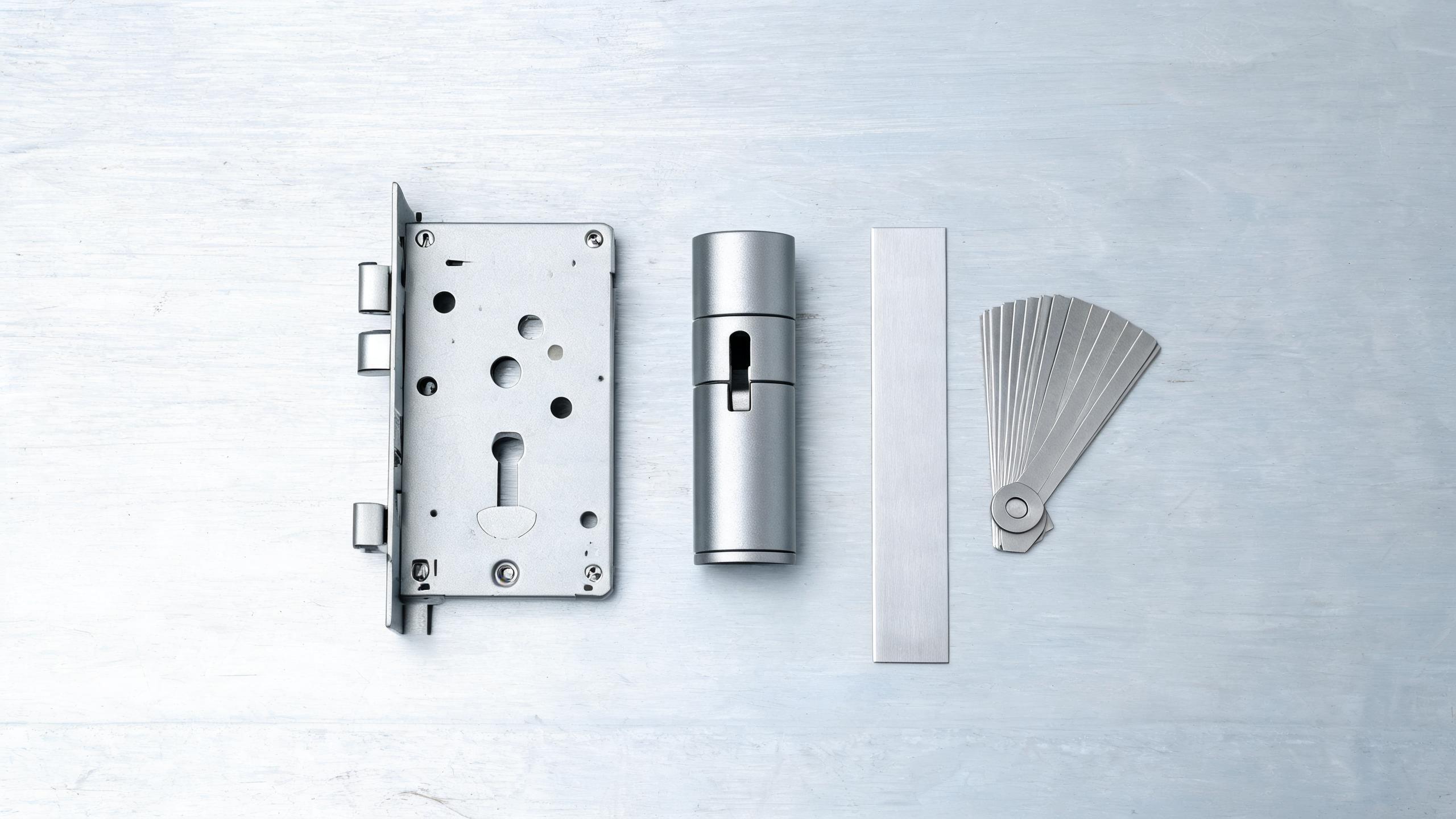
EN 12209 locks and latches →
European mechanical lock grades, durability and corrosion coding.
EN 14846 electromechanical locks →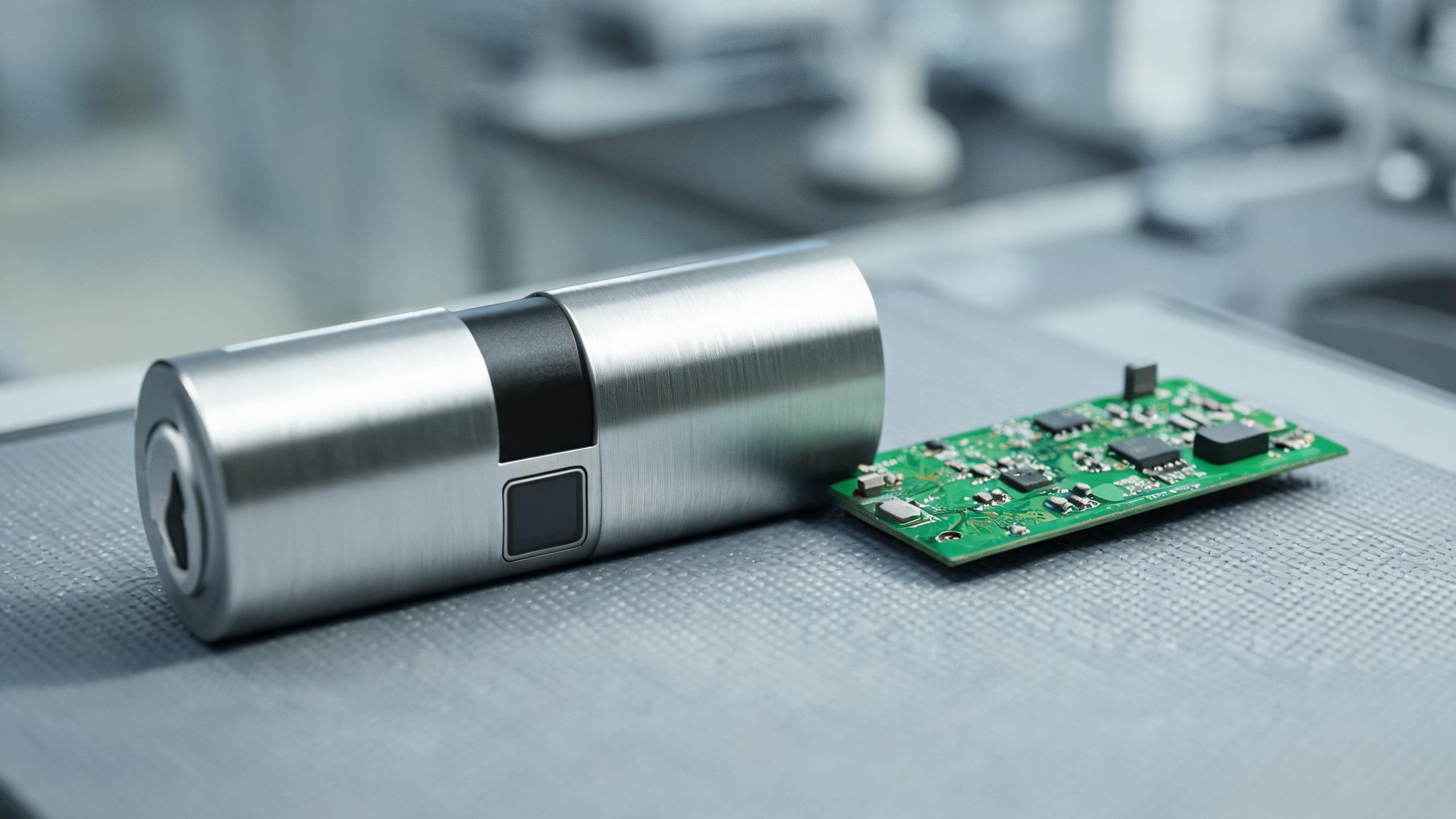
EN 14846 electromechanical locks →
Electronic durability and security grades for mechatronic locks.
EN 1634 fire and smoke doors →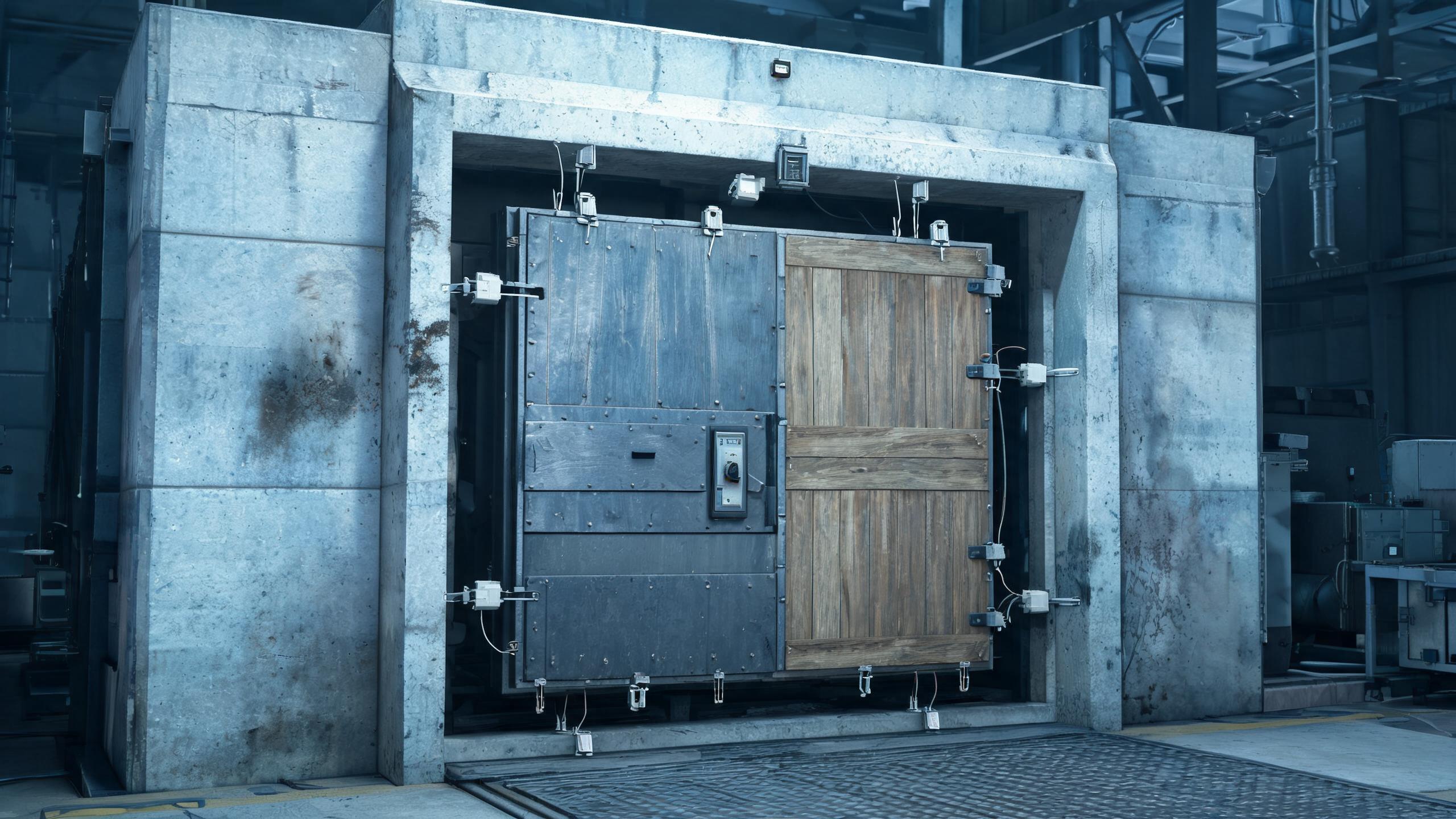
EN 1634 fire and smoke doors →
Fire and smoke tests behind E, EI and S door classifications.
Standard guides
Materials, environment & data
ADA door hardware →
ADA door hardware →
Reach, operability and mounting rules for accessible openings.
GDPR biometric privacy →
GDPR biometric privacy →
Handling fingerprints as special-category personal data in the EU.
Standards topic map
Standards and compliance guides in this knowledge center
Plain-English explanations of the marks below are published in batches. The glossary already defines the key terms in one line each.
North America
ANSI/BHMA gradesANSI A156.2 cylindrical locksANSI A156.13 mortise locksANSI A156.25 electrified lockingUL 10C fire-rated hardwareFCC certification
Europe & UK
CE markingEN 12209 locks and latchesEN 14846 electromechanical locksEN 1634 fire and smoke doorsUKCA marking
Materials, environment & data
Compliance documents buyers commonly request
| Market | Commonly requested documents | Notes |
|---|---|---|
| European Union | CE marking, RoHS/REACH declarations, EN test references | Wireless modules typically also require EMC/radio evidence; see the markets hub |
| United Kingdom | UKCA marking, equivalent safety and EMC evidence | Post-Brexit conformity regime; confirm current requirements with your importer |
| United States | FCC documentation for wireless, ANSI/BHMA grade, UL listing for fire-rated openings | Project specifications often name the BHMA grade directly |
| GCC & Saudi Arabia | Country-specific conformity certificates | Import rules vary by country and shipment type |
| Australia & New Zealand | Radio/electrical compliance evidence | Check state-level project specs in addition to national rules |
| All markets | Model-specific certificate covering the exact SKU | Check the issuing body and report number before relying on a file |
Important: standards describe test methods and minimum requirements, and a certificate only covers the models listed on it. Request the exact file for your SKU and verify issuance with the issuing body. Detailed requirements and customs enforcement change — treat market tables as orientation and confirm with your compliance adviser.
Standards and certification: common questions
Are your smart locks CE, FCC and RoHS certified?
Model-specific documentation is provided with quotations for covered models. Certificates name exact SKUs, so tell us your market and shortlist and we will share the applicable files rather than making a generic claim. Start at the certifications page.
What ANSI/BHMA grade should a commercial smart lock have?
Grade 1 is the highest tier for heavy commercial use, Grade 2 suits light commercial and premium residential, and Grade 3 is residential. The requirement depends on door frequency and project specification; A156.2 covers cylindrical locks and A156.13 covers mortise locks.
What is the difference between an IP rating and an IK rating?
IP rates protection against solids and water ingress — the key mark for outdoor gates — while IK rates resistance to mechanical impact. Fully exposed doors generally call for IP54 or better; state exactly where the lock will be installed.
Do smart locks need UL 10C or EN 1634 fire rating?
Only when they are installed on fire-rated doors. Ordinary locks cannot be fitted to such doors without listed-compatible hardware, because an unlisted lock voids the door’s fire rating. Flag any fire-rated openings in your RFQ so quoted options are compatible.
How do biometric data laws affect fingerprint and face locks?
GDPR in the EU and similar laws elsewhere regulate biometric personal data. Many offline locks store templates locally without cloud upload, but property operators still need compliant guest and employee consent practices. Request the data-flow description for the specific model.
Need the document pack for your market?
State your destination country and shortlisted models — receive the certificates and reports that actually cover those SKUs.
Request certificatesRequest a quoteLast updated: October 31, 2026 · Reviewed by the Smart Lock Factory editorial team