
Technology
Video intercom smart locks: seeing who is at the door
A camera door station adds verified visitor communication and remote release to an electric lock. The wiring generation and recording architecture decide install cost and privacy.
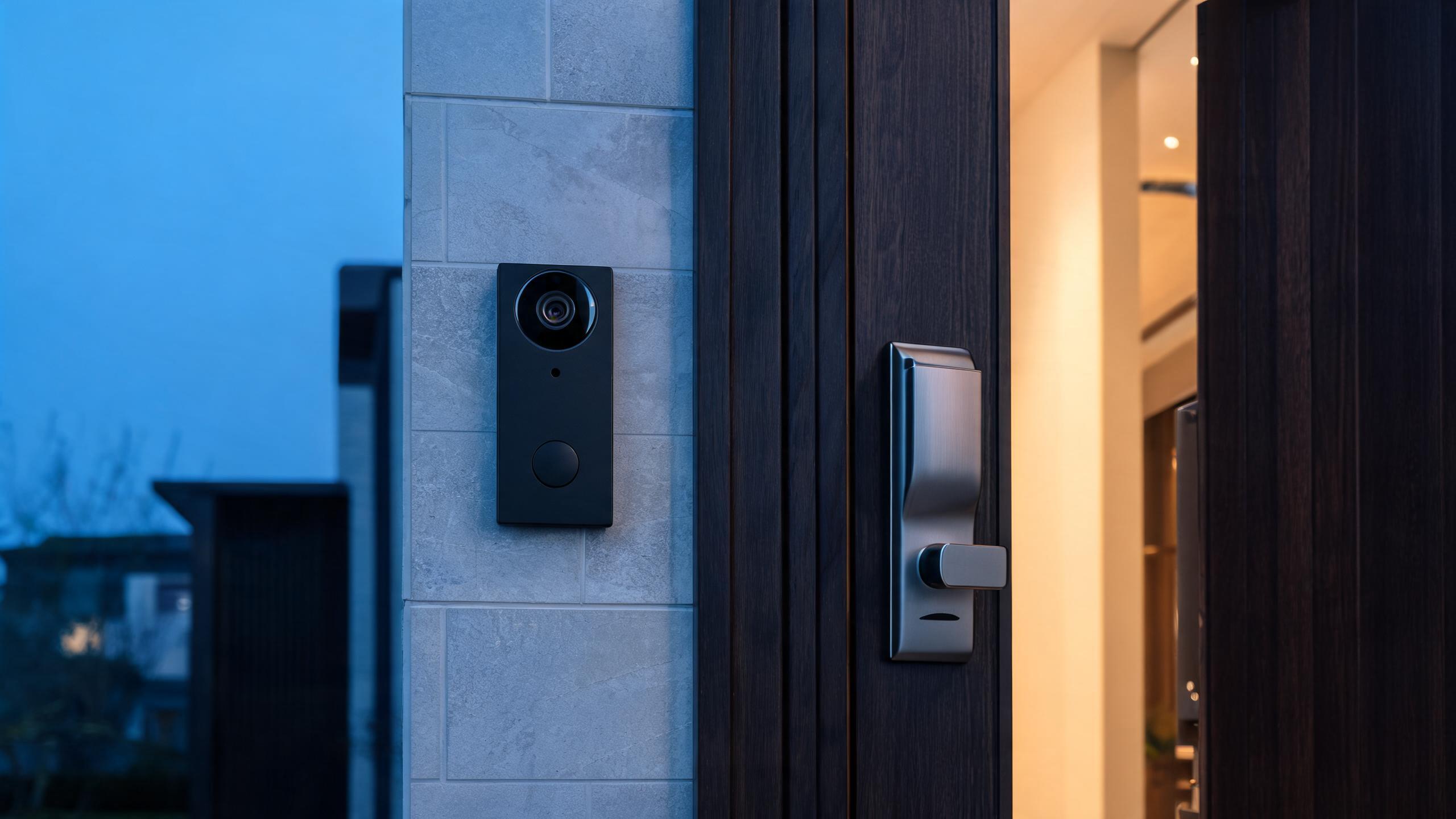
Video intercoms connect an outdoor door station — camera, call button, speaker and often a credential reader — to indoor monitors and tenant smartphones, allowing occupants to see visitors, speak with them and release the electric lock remotely. Two technical generations still sell in parallel: analog two-wire or four-wire systems that reuse existing intercom cabling, and IP systems carrying audio and video over the building network with PoE power. Choosing between them depends on retrofit wiring, number of apartments, and whether recording should stay on a local NVR or pass through a cloud service. Intercoms interact directly with smart locks: the door station triggers an electric strike, magnetic lock or motorized gate, while a separate smart deadbolt can keep unit doors independent. This guide explains the components, wiring choices, visitor workflows, recording trade-offs and specification questions. Supported intercom and lock combinations are documented per quotation.
Video intercom locks at a glance
| Door station | Weather-rated outdoor unit with camera, call panel, microphone and often RFID or keypad access built into the fascia. |
| Answering devices | Indoor monitors in apartments or software clients on phones, or both, according to the building standard. |
| Two-wire retrofits | Bus-based systems reuse thin legacy cabling, reducing wall chases in older apartment blocks and hotels. |
| IP and PoE systems | Network door stations offer high-resolution video, structured cabling and app delivery, with PoE simplifying power. |
| Lock release | The intercom switches a relay that opens an electric strike, magnetic lock, barrier or gate, subject to egress and fire rules. |
| Recording model | Local NVR or SD storage keeps video inside the building; cloud services add convenience and raise privacy and uptime questions. |
| Our policy | We state lock-release interfaces, power needs and tested pairing combinations; generic app claims are validated by sample integration. |
Answer unit
Which intercom architecture fits a building?
Retrofits with intact legacy wiring favor two-wire; new premium builds favor IP/PoE; mixed estates use gateways. Lock release, recording location and visitor flow are decided before the hardware brand.
| Building profile | Intercom approach | Why it fits |
|---|---|---|
| Old apartment block retrofit | Two-wire IP-gateway system | Reuses existing cabling, adds smartphone delivery through a converter. |
| New premium condominium | IP door stations with PoE | High-resolution video, structured wiring and clean app integration. |
| Small villa or office | Single-door Wi-Fi video station | One entrance, simple app release, local or optional cloud recording. |
| Hotel and serviced apartments | Door station integrated with PMS or operator app | Front desk or remote concierge verifies guests and releases the door. |
| Industrial yard and gate | Rugged IP station with relay to the gate | Wide-angle camera, keypad access and weather sealing at the vehicle gate. |
| Privacy-sensitive enterprise | IP stations with local NVR only | Video stays on site, tenant notifications without third-party cloud storage. |
Projects, products and evidence
The intercom protects the common entrance; individual unit locks remain a separate security layer. Specifying both together prevents relay, power and credential conflicts.
| Opening | Typical door | Lock approach |
|---|---|---|
| Apartment main entrance | Aluminum or glass entrance with many units | Multi-button or dialer IP/two-wire station releasing an electric strike. |
| Villa garden gate | Metal pillar gate with weather exposure | Wi-Fi or wired rugged station triggering the gate motor and camera light. |
| Office reception after hours | Glass lobby doors with magnetic locks | IP station calls a phone roster; access logs recorded in the controller. |
| Serviced apartment block | Mixed long-stay and short-stay tenants | Station plus app calling, front desk override and temporary visitor codes. |
| Warehouse personnel door | Hollow-metal door beside a loading yard | Keypad-equipped rugged station releasing a fail-secure electric lock. |
| School or clinic entrance | Controlled main door with reception | Door station routes to reception monitors; visitors buzzed in only after verification. |
Intercom and lock integration pack
Intercom projects fail most often on wiring and relay assumptions. We provide the interface details below so electricians and integrators can survey the building accurately.
| Component | Typical logic | Notes |
|---|---|---|
| Wiring survey | Existing cable type, runs and whether PoE or two-wire applies. | Decides retrofit cost and the choice of station family. |
| Relay specification | Voltage, contact rating and fail-safe or fail-secure logic. | Must match the electric lock and fire panel requirements. |
| Power budget | Door station, lock and any PoE switch or power supply loads. | Prevents brownouts that damage cameras and strike releases. |
| Recording architecture | Local SD/NVR retention versus cloud service and access rules. | Required for resident and employee privacy notices. |
| App provisioning | How tenants receive calls, codes and visitor links when moving in and out. | Important for rental turnover and concierge workflows. |
Specifying a video intercom in five steps
- Survey the entranceRecord wiring legacy, door and lock hardware, exposure and power availability.
- Choose the platformSelect two-wire, IP or single-door Wi-Fi based on tenant count and retrofit state.
- Design lock releaseMatch relay output to the electric lock and confirm fire and egress behavior.
- Set recording policyChoose local or cloud storage, retention and who can review footage.
- Test the visitor flowValidate call, talk, release and visitor-code paths on samples before installation.
Related technology guides
Intercom and integration guides related to this page
Questions about video intercom smart locks
Can a video intercom replace the smart lock on my front door?
They are complementary rather than interchangeable. A video intercom verifies visitors and remotely releases the common entrance or gate through a relay, typically controlling an electric strike or magnetic lock on a shared door; a smart lock secures the individual unit or house door with credentials, schedules and audit independent of the intercom. In a villa, a single video smart lock may combine camera, call and release in one device; in a multi-tenant building, the door station belongs to the common entrance while each apartment keeps its own lock. Combining both gives visitor verification at the boundary and private credential control at the unit; exact pairing and relay compatibility are confirmed for named products per quotation.
Is two-wire or IP intercom better for an old apartment renovation?
If the building already has working two-wire or four-wire intercom cabling from apartments to the entrance, a modern bus system or an IP gateway can reuse it, avoiding wall chases and lowering installation labor while still delivering smartphone calls through a converter. Full IP offers higher video resolution and cleaner topology but requires network cable and often PoE infrastructure to each station. The decision should follow a wiring survey: buildings with intact copper and tight renovation budgets usually favor two-wire reuse, while gutted renovations and premium new builds justify IP. We provide compatibility and power requirements for supported stations so the electrician can verify the run before ordering.
Who can see and store the video from the intercom camera?
It depends entirely on the configured architecture. On-site SD cards or an NVR keep recordings within the building under the owner’s control, while cloud-connected intercoms relay video and events to a service provider, which simplifies remote viewing but introduces data processing agreements, ongoing service dependence and latency considerations. Residents answering calls normally see live video of the caller without footage being stored on personal phones. Building owners should define retention, who can review events, and how visitor data is deleted, then reflect that in tenant notices — especially where GDPR-style rules treat intercom footage as personal data. We document where each supported model stores video by default.
Can the delivery driver open the door from the intercom without anyone home?
Only if the resident or operator releases the door during the call, or the visitor has been given a dated visitor code or QR credential in advance. Typical systems let the occupant watch, talk and press release in the app from anywhere; many platforms also support one-time or time-window codes for couriers, dog walkers or cleaners, optionally restricted to the common door while the unit lock stays closed. It is poor practice to wire a permanent unlock or share a single release password. We recommend combining intercom release with scheduled credentials and an audit trail so every remote release is attributable; available visitor features depend on the intercom platform and are confirmed per model.
What happens to the intercom and electric lock during a power cut?
Behavior is designed per entrance rather than assumed: fail-safe locks release on power loss for free egress but may allow entry, while fail-secure locks remain locked and rely on backup power, mechanical keys or emergency procedures. IP door stations and PoE switches need UPS support if calling must continue during outages, and gates may fall back to manual operation with keys. Life-safety codes always prioritize egress, so fire-rated common doors cannot be held locked against exiting occupants. The relay, power supply, UPS sizing and fail mode should be documented during the electrical design, and we provide the electrical interface details needed to coordinate them with the electrical engineer.
Designing a video intercom entrance?
Send the building wiring situation, entrance type and required visitor flow with your RFQ. We confirm station options, relay interfaces, power design and compatible electric locks, with bench testing available before the full order.
Request Spec Sheet + QuoteTechnology overviewLast updated: October 31, 2026 · Reviewed by the Smart Lock Factory editorial team