
Applications
Smart locks for tiny homes and modular housing: factory-grade access for factory-built doors
Compact, low-drain locks suited to thin composite and steel doors, fitted on the production line or at the pad — with fleet codes for rental operators and builder branding options.
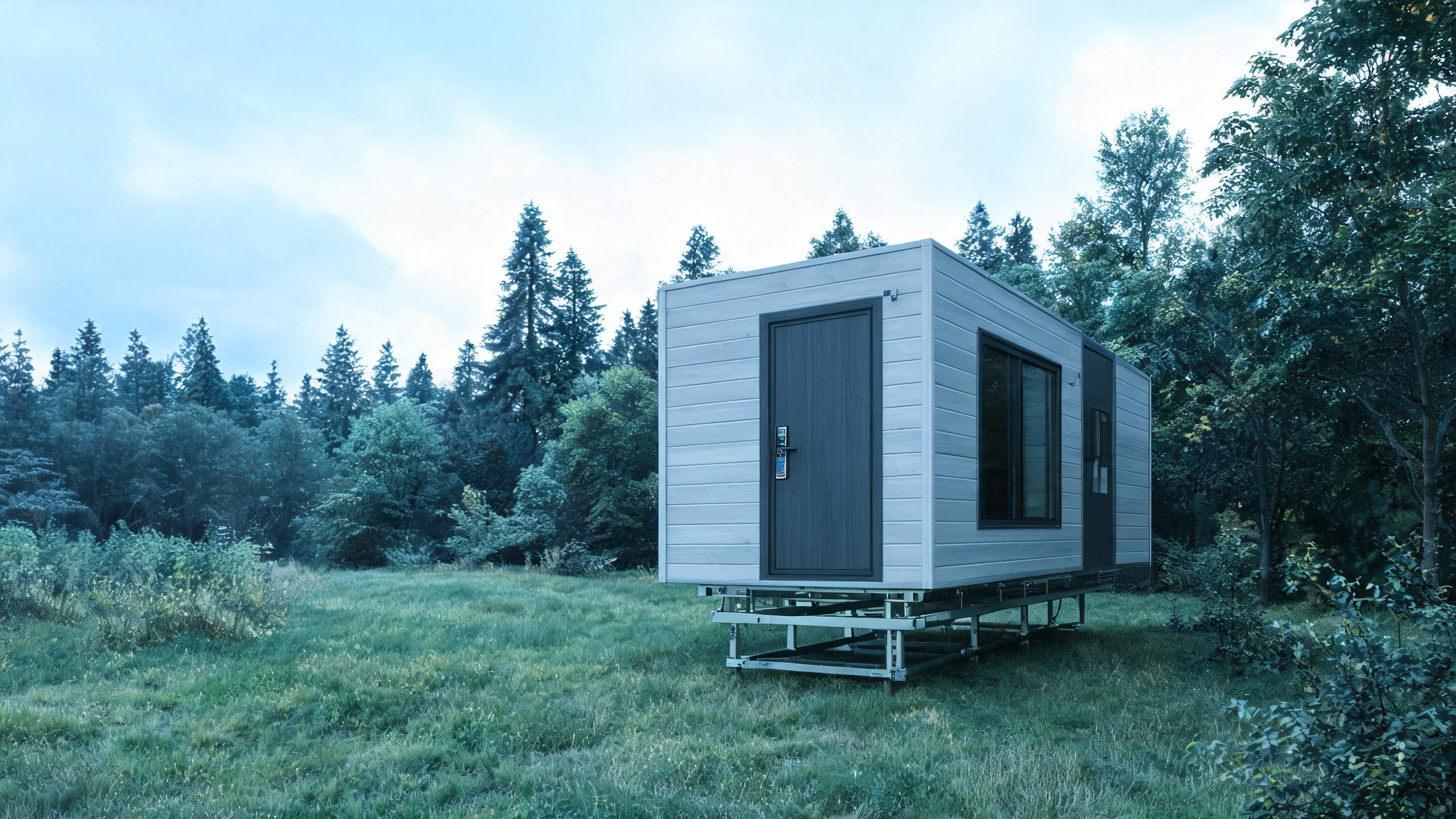
Tiny homes and modular units are built in a factory, moved on a truck and dropped on a pad, which changes what makes a good lock: it must fit thinner-than-standard doors and composite or steel skins, survive road vibration and a period with no permanent power, and install in minutes on a production line rather than as a field retrofit. For owner-builders the smart lock is a light, low-drain consumer-grade upgrade; for fleets — ADU operators, glamping sites, relocatable accommodation and modular student villages — it is a managed access device that codes a unit for the next occupant from a spreadsheet of bookings. Batch consistency, common battery formats and one platform across the fleet matter more than a long feature list on any single door. The residential guide covers owner-occupied homes, contract manufacturing covers line-fit programs, and the RV and mobile home page covers wheeled accommodation.
Tiny home and modular access at a glance
| Door reality | Thin composite, steel-framed or timber doors produced in a factory, with limited room for bulky lock bodies |
| Form factor | Compact, light smart locks with low battery drain and common battery formats chosen for fleet serviceability |
| Fitment point | Locks can be fitted on the production line, pre-coded per unit, or installed on site after the pad is connected |
| Fleet operation | Operators recode per booking or tenancy from one platform; code-first offline units dominate dispersed pads |
| Transit phase | Hardware is specified to survive transport vibration and unpowered storage before the unit goes live |
| Branding | Builders can specify finish, logo and pack-out for units delivered with smart access as a listed feature |
| BOM shape | One compact lock per unit door, gateways only at central amenity buildings, common-format batteries and a fleet spare pool |
Answer unit
Line-fit at the factory or install on site?
Production programs fit on the line for consistency; small operators fit on the pad to avoid coding units that sit in storage. Both paths use the same lock family.
| Dimension | Factory line-fit | On-site pad installation |
|---|---|---|
| Quality control | Fitting tested at the workstation before transit | Checked at the pad where signal and door settling are known |
| Coding timing | Units can be pre-coded and staged before delivery | Coded when the unit is commissioned and connected |
| Transit risk | Locks ride with the unit; mounting is engineered for vibration | No transit exposure for the electronics |
| Production flow | Adds a fixture and a station step at scale | No factory change; labor shifts to the site crew |
| Typical fit | Volume builders, ADU fleets, modular villages | Small operators, custom builders, remote pads |
| Scale economics | Lower per-unit cost at volume, scoped via contract manufacturing | Flexible start, no tooling or line commitment |
Door types and lock-body match
Non-standard thickness and steel or composite skins define the survey; a fit template is approved before volume.
| Opening | Typical door | Lock approach |
|---|---|---|
| Unit entry door | Thin composite or steel-framed factory door | Compact smart lock validated for the door thickness and skin type |
| Loft / interior door | Lightweight interior panel door | Optional simple smart lever or mechanical privacy set by spec |
| Utility / battery compartment | Small external metal hatch | Owner-only credential or mechanical lock; electronics avoided where exposure is high |
| Amenity building | Timber or metal site-built door | Gateway-connected reader or keypad shared across the fleet |
| Mail / package box | Small metal compartment | Cabinet lock where operators issue packages per unit |
| Storage container | Corrugated steel container door | Rugged outdoor-rated lock or smart padlock per the exposure |
Example BOM shape for a modular unit fleet
This example illustrates a typical configuration, not a specific customer project. Fleet size, line-fit decision and pad amenities drive the list.
| Component | Typical logic | Notes |
|---|---|---|
| Unit locks | One compact model per unit, one SKU across the fleet | Thickness validated on the actual production door |
| Amenity hardware | Keypad or reader per shared building | Connected where remote code issue is needed |
| Gateway package | Only for central buildings, not per unit | Dispersed pads usually stay code-first offline |
| Battery standard | One common battery format across all locks | Simplifies service rounds for dispersed fleets |
| Fleet spares | A percentage spare pool plus override keys | Protects re-booking while a swap is arranged |
How a manufactured-housing program rolls out
- Door spec reviewProduction door drawings and actual samples are checked for thickness, skin and clearance before a lock is named.
- Fit and transit testA sample lock is fitted to a production door, which is then shaken and stored unpowered to validate the transport phase.
- Pilot batchA small run ships to one pad; installation time, battery behavior and guest coding are measured before the fleet commitment.
- Line or rolloutThe factory adds the lock station at volume, or site crews fit units as pads are commissioned, with one coding workflow.
- Fleet handoverOperators receive the code-management process, battery service calendar and spare-pool rules for multi-pad growth.
Related applications
Related manufactured and outdoor pages
Smart locks for tiny homes and modular housing: common questions
Do regular smart locks fit tiny home doors?
Some do, but many tiny and modular doors are thinner, lighter and made of composite or steel rather than a solid timber residential slab, so a bulky deadbolt can bind or lack fixing depth. Lock families are validated against the actual production door rather than a generic door thickness, and the compact, low-drain models are preferred for fleet use. A sample fit on a real door from the factory settles the question before a volume program, which is why builders send door drawings or a sample door during the project discussion.
Can locks be installed before the unit is delivered?
Yes, line-fit is common for volume builders because installation at a workstation is faster, more consistent and testable before transit. The lock platform is chosen to survive road vibration and an unpowered staging period, with coding applied when the unit is commissioned rather than months earlier. Smaller operators instead fit on the pad after the unit is leveled and connected, using the same hardware family; both paths are supported, and the choice is really about production flow and fleet size.
How do rental fleets recode units between occupants?
On dispersed pads most operators use code-first offline locks and set the next code during the turnover visit, or add a gateway only at the amenity building; on connected village layouts codes are issued remotely against the booking calendar. Because the fleet runs one lock SKU and one battery format, service is a routine rather than a per-unit problem. Fleet operators also keep a spare pool so a failed lock never holds up a booked night, and any property-management connection is scoped against the named platform in writing.
Will the lock survive being transported on a truck?
The hardware selected for line-fit is mounted to tolerate vibration and is inspected in a transit-style validation before the pilot batch, and electronic components are protected against the unpowered storage period before a pad goes live. Locks are coded at commissioning rather than at the factory, so a unit sitting in a yard is not holding guest access. Operators fitting on site avoid the question entirely. Any failure mode discovered in the pilot batch is resolved in the mounting design before volume, not absorbed by the first customers.
What MOQ applies to a builder or fleet program?
Volume line-fit programs are scoped through contract manufacturing with MOQ, branding scope and lead time confirmed in writing per quotation, while small fleets can begin with unit-pack orders and no tooling. Send the production door spec, target fleet size, the line-fit decision and finish requirements, and the quote separates hardware, any branding work, gateways and spares so the program can start small and scale across pads without changing platforms.
Specify one smart lock across the whole manufactured fleet
Send the production door spec, fleet size and line-fit preference — receive a validated BOM with written MOQ, branding scope and lead-time terms.
Discuss your project (RFQ)Project configurationsLast updated: October 31, 2026 · Reviewed by the Smart Lock Factory editorial team