
Technology
Apple Home Key: NFC tap access and UWB hands-free unlock
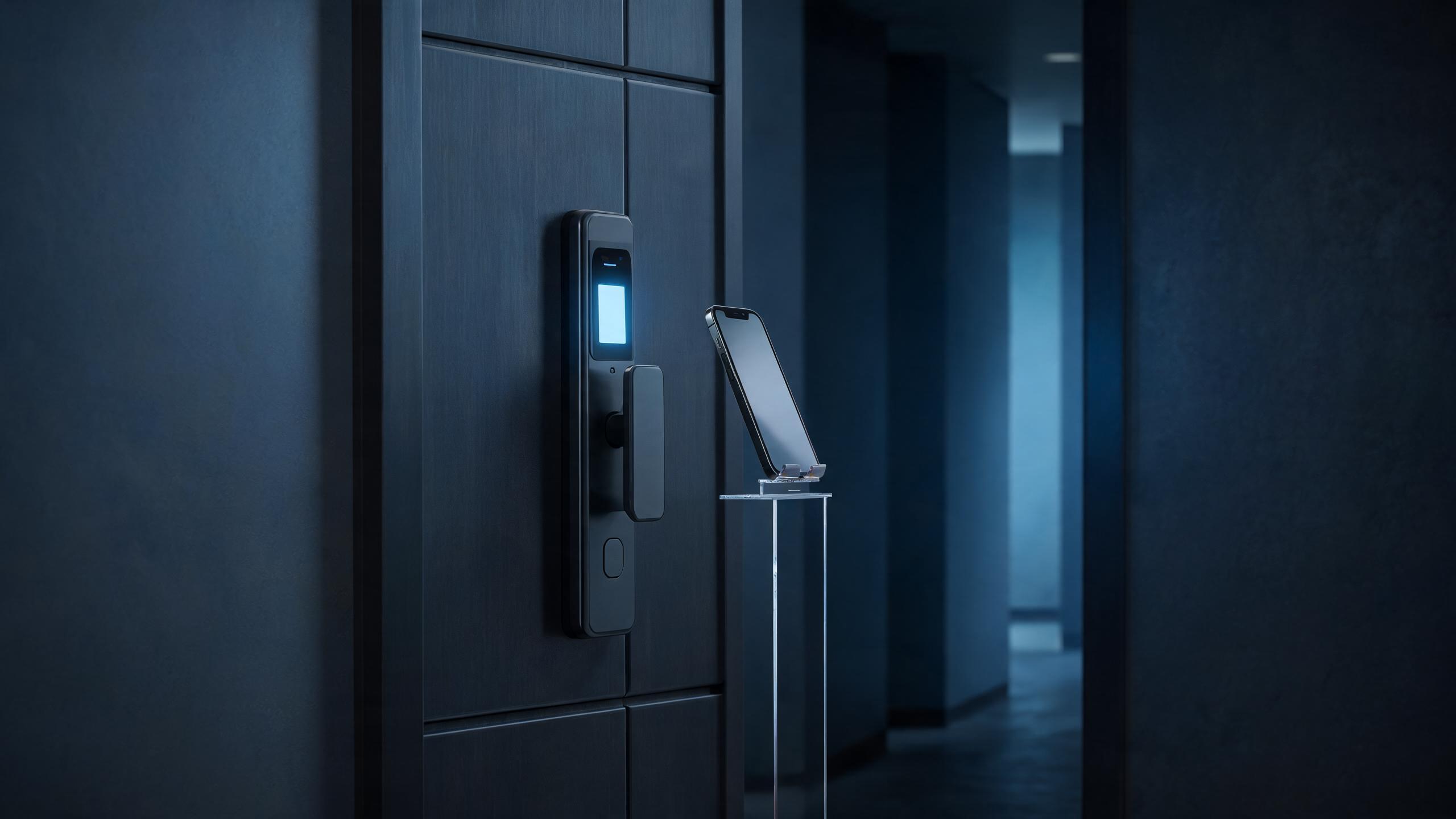
Home Key turns an iPhone or Apple Watch in the Wallet app into a door credential using NFC, with optional UWB for hands-free approach unlocking. It delivers a polished experience but requires certified hardware and a formal brand program.
Apple Home Key is the Wallet-based door credential standard: after a lock is provisioned through the Home app, an iPhone or Apple Watch can unlock the door by tapping the reader using near-field communication, and Express Mode keeps the credential usable even when the phone is powered down within its reserve window. Locks may also integrate an ultra-wideband chip to measure the owner’s approach and unlock hands-free, and to relinquish control once the user walks away. From a manufacturing perspective the feature is not a generic NFC sticker: compatible locks need Apple-authenticated secure hardware, NFC front-end tuning, membership and certification under the applicable Apple licensing programs, and firmware that implements the Home Key specification. This guide separates consumer experience from the OEM reality, explains how Home Key relates to Matter and standard NFC cards, and lists what brands must prepare. Certification status and module availability for specific lock programs are confirmed in writing per quotation.
Home Key at a glance
| Wallet credential | A digital key lives in the Apple Wallet and is shared through iMessage-family flows with owner-controlled permissions. |
| NFC tap | The phone or watch authenticates over ISO 14443-style NFC against secure hardware inside the certified lock. |
| Express Mode | Tap works without Face ID or an open app, and power reserve keeps it available briefly after the phone battery dies. |
| UWB option | Ultra-wideband enables presence-aware hands-free unlock and auto-relock when the user leaves, on locks that include the chip. |
| Program requirements | Brands need the applicable Apple program membership, certified silicon, certified prototypes and firmware implementing the specification. |
| Credential coexistence | Home Key joins rather than replaces other methods: certified locks typically still expose keypad, card or fingerprint paths for non-iPhone users. |
| Our policy | We identify which lock platforms support Home Key and whether the feature is certified for a given SKU; roadmap claims are never presented as shipping features. |
Answer unit
Which projects should plan for Home Key?
Home Key is a strong differentiator for premium residential locks sold in iPhone-dense markets, and a convenience layer for modern apartments. Cost-driven rental fleets and enterprise sites should weigh certification cost against guest phone diversity.
| Target market | Fit of Home Key | Planning action |
|---|---|---|
| Premium residential retail | Strong premium feature with strong demo value | Plan certified hardware and branding from project start. |
| Luxury apartments | Valued resident amenity | Keep keypad and card paths for non-iPhone residents. |
| Short-term rentals | Attractive for direct-booking guests | Dated codes remain the universal guest fallback. |
| Budget consumer locks | Certification cost may not fit the BOM | Evaluate standard NFC and BLE credentials instead. |
| Enterprise access | Not a replacement for badge systems | Coordinate with the site access platform if requested. |
| Hospitality | Emerging rather than universal | Confirm mobile-key strategy and PMS support separately. |
Projects, products and evidence
Home Key lives on the same openings as other premium credentials, but it adds hardware and antenna requirements that affect lock ID design, especially on metal doors and full-plate escutcheons.
| Opening | Typical door | Lock approach |
|---|---|---|
| Villa entrance | Premium timber or security door | Certified Home Key lock with keypad fallback under a canopy. |
| Apartment unit | Interior corridor metal or wood door | NFC reader tuned for the door material, phone plus keypad. |
| Designer townhouse | Full-plate escutcheon on a dark door | Early antenna tuning and certified module placement in the design. |
| Smart-home show home | Door alongside other ecosystem devices | Validate Wallet provisioning and UWB demo flow on samples. |
| Serviced apartment | Guest door with mixed phone users | Offer Home Key to residents, codes for one-off guests. |
| Office private suite | Wood or glass office door | Treat Home Key as additive to the managed card system. |
OEM specification pack for Home Key locks
Home Key programs involve licensing and certification beyond ordinary lock production. We provide a clear hardware and program statement so brand owners can plan timelines and launch claims honestly.
| Component | Typical logic | Notes |
|---|---|---|
| Certification statement | Whether the exact SKU is certified, in certification or not planned. | Marketing can only claim shipping features on certified SKUs. |
| Secure hardware BOM | Authenticated silicon and NFC front-end used in the design. | Drives unit cost and firmware architecture. |
| UWB configuration | Presence distance behavior, auto-relock and chip presence. | Hands-free claims require UWB hardware, not marketing. |
| Credential matrix | How Home Key coexists with cards, codes and fingerprints. | Prevents lockouts for users without supported devices. |
| Program deliverables | Membership, prototypes, test plans and brand assets required. | Certification lead time belongs in the launch schedule. |
Launching a Home Key lock in five steps
- Join the applicable programSecure the brand-side Apple program membership and agreements early.
- Select certified hardwareChoose the authenticated module and NFC/UWB silicon for the lock body.
- Tune the antenna designValidate reader performance on metal, wood and glass door samples.
- Complete certificationSubmit required prototypes and firmware through the test process.
- Launch with fallbacksShip keypad or card paths and publish accurate feature claims.
Related technology guides
NFC, UWB and platform guides related to Home Key
Questions about Apple Home Key, NFC and UWB locks
How does Apple Home Key actually unlock a smart lock?
After the lock is added in the Home app, a digital key is stored in the iPhone or Apple Watch Wallet. Unlocking uses near-field communication: the device taps or comes very close to the lock reader, an authenticated exchange runs against secure hardware inside the certified lock, and the motor releases without opening an app or authenticating with Face ID when Express Mode is enabled. The same Express Mode allows a limited number of taps after the phone shuts down through its power reserve feature. Locks equipped with an ultra-wideband chip can additionally detect an approaching owner and perform hands-free unlocking, then lock again as the user walks away — but NFC tap access and UWB presence are separate hardware features, and not every Home Key lock includes UWB. The exact feature set is SKU-specific and confirmed per quotation.
Can any NFC smart lock claim Apple Home Key support?
No. Home Key is a licensed specification with requirements beyond generic 13.56 MHz NFC: the lock must incorporate Apple-authenticated secure hardware, implement the Home Key protocol in firmware, and pass certification under the applicable Apple program before the feature can be offered. A lock that reads ordinary NFC cards or tags has no Home Key capability simply because the radio exists. Buyers should request the certified SKU identifier and verify the lock provisions through the Home App on a production sample; “compatible soon” or “MFi-ready” language is not the same as a shipping certified product. As a manufacturer we state certification status per model in writing and never label roadmap hardware as certified.
Do guests and residents need an iPhone to use a Home Key lock?
Home Key credentials exist in Apple Wallet, so only supported iPhones and Apple Watch models can carry them; that is a strength in iPhone-dense premium residential markets but a limitation in mixed-device rentals and international markets where Android dominates. Practical locks therefore keep inclusive credentials — a keypad with dated codes, RFID cards or fingerprints — so nobody depends on owning a particular phone. In rental operations the standard pattern is Home Key for returning residents or direct-booking guests who request it, and universal passcodes for everyone else. During procurement the credential matrix should be written down and tested with both phone families; included credentials per SKU are documented in writing per quotation.
What is UWB and when is it worth adding to a lock?
Ultra-wideband is a short-range radio technology that measures distance and direction far more precisely than Bluetooth signal strength, allowing a lock to tell whether the owner is walking toward the door, standing next to it or merely inside the apartment. With UWB, a lock can unlock hands-free as the owner approaches and relock after departure, which is the most premium feeling interaction currently available. The trade-offs are added silicon cost, certification work, antenna design constraints and additional power draw, so UWB appears mainly on premium residential SKUs rather than budget rental hardware. NFC tap access works fine without it. Brands should decide from their price tier whether the demo moment justifies the BOM impact; available UWB configurations and tested distance behavior are stated per model.
Does Home Key work with Matter and other smart-home platforms?
They address different layers and can coexist. Home Key is the Apple Wallet door credential, while Matter is the cross-ecosystem device standard that lets a certified lock appear in multiple smart-home apps for everyday control. A lock can support Home Key through its certified secure hardware and also expose Matter for lights, automations and voice scenes, depending on module design and completed certifications. Android phone credentials use other paths, typically the lock brand app, Matter ecosystems or standard NFC rather than Apple Wallet. Brands should request a written list of exactly which certifications the SKU has completed rather than assuming one logo implies the other; current Home Key and Matter status for each model is confirmed in writing per quotation.
Developing a Home Key-certified lock program?
Share your target retail tier and launch timeline with your RFQ. We confirm certified module availability, NFC and UWB hardware options, credential matrix and the brand-side program steps, with certified samples for your Home app testing.
Request Spec Sheet + QuoteTechnology overviewLast updated: October 31, 2026 · Reviewed by the Smart Lock Factory editorial team