
OEM by lock type
OEM smart lock app: white-label access software for your brand
Branded lock apps, gateways for remote access, timed e-keys and passcodes, unlock records and cloud responsibilities — with the customization boundary between rebranding and bespoke development settled in writing before the program starts.
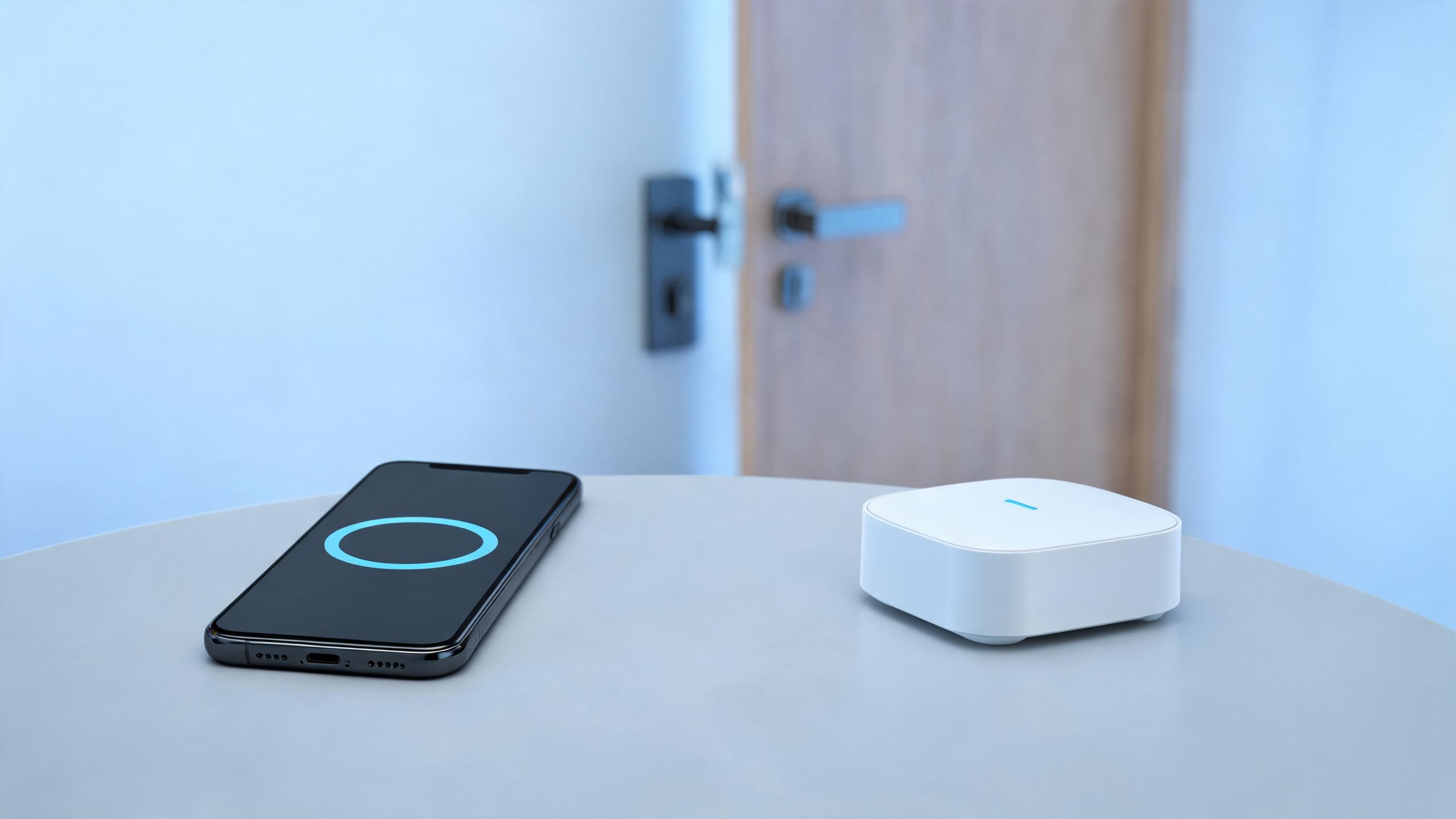
“Can we have our own app?” usually hides three different questions, and OEM programs answer them separately. First is branding: covered platforms can be published as a white-label application carrying the brand's logo, name, colors and icon, normally under the brand's own Apple and Google developer accounts, with store fees and review responsibility sitting with the brand. Second is connectivity: Bluetooth alone controls the lock only when a phone is within range; adding a Wi-Fi gateway enables remote locking, notifications and passcode sharing from anywhere, so the gateway is a real BOM line, not a software toggle. Third is customization depth: re-skinning and configuring an existing app is a standard, low-risk program, while bespoke screens, regional hosting or channel integrations are scoped as a separate engineering project. What the app can and cannot do on each SKU is documented in a current feature sheet, and anything beyond it is confirmed per project rather than promised in a sales email. The firmware page explains the lock-side counterpart.
OEM app programs at a glance
| Branding model | White-label build of a covered app with brand logo, name, color theme and icon; feature set follows the connected lock SKU |
| Store ownership | Normally published under the brand's own Apple and Google developer accounts; store fees, age ratings and review responses sit with the brand |
| Connectivity | Bluetooth for in-range control; a Wi-Fi gateway added per site for remote unlock, notifications, sharing and firmware updates |
| Access features | Permanent and timed e-keys, recurring and one-time passcodes, unlock records and notifications, per the current per-SKU feature sheet |
| Cloud and data | Cloud service region, uptime responsibilities, data ownership and export terms are documented per program; bespoke hosting is a scoped project |
| Integrations | Vacation-rental channels, property systems and smart-home ecosystems are scoped against the named platform, never assumed from generic compatibility text |
| Customization boundary | Re-skin and configuration is standard; new features, protocol work and third-party development carry separate scope, terms and lead time |
Answer unit
Bluetooth-only or gateway-connected for the range?
The gateway decision changes the BOM, the user experience and the support model. It is made from how the lock is actually operated, not from a preference for the word “smart”.
| Dimension | Bluetooth only | With Wi-Fi gateway |
|---|---|---|
| Operating range | Phone must be near the door | Control and alerts from anywhere with internet |
| Remote actions | Not available off-site | Remote lock and unlock, alerts and code sharing |
| Hardware BOM | Lock only; simplest bill of materials | Lock plus one gateway per coverage area, plus power and placement |
| Install complexity | Pairing at the door | Gateway placement, Wi-Fi enrollment and coverage testing |
| Typical buyer | Private homes, owner-occupied offices, offline-first brands | Rental hosts, property managers, multifamily and serviced stays |
| Support model | Fewer moving parts; minimal cloud dependency | Network and cloud troubleshooting added to support |
How a branded app program ships
- Feature and SKU reviewThe current per-SKU feature sheet defines the base set; the brand selects which connected lock models and gateway layouts the app must support.
- Scope boundaryWhite-label re-skin is separated from any bespoke feature, hosting or integration work, with each custom item quoted and scheduled on its own terms.
- Branding and accountsLogo, theme, icon and listing art are supplied; developer accounts, store agreements and review responsibilities are set up in the brand's name.
- UAT buildsBranded builds are tested against real locks and gateways, including pairing, sharing, notifications and offline behavior, before store submission.
- Launch and updatesThe app is published, versioned against lock firmware, and maintained through agreed update windows; ownership and data terms remain documented.
Related programs
Adjacent software and access pages
OEM smart lock apps: common questions
Can the app carry our brand instead of yours?
Yes on covered platforms: a white-label build carries your logo, app name, color theme and icon and is normally published under your own Apple and Google developer accounts, so the listing and customer relationship stay with your brand. Your accounts also mean your team owns store fees, age ratings and review responses. The exact base feature set is confirmed against the connected lock SKUs before the program starts.
Do customers need a gateway to unlock remotely?
Bluetooth alone only operates the lock when the phone is near the door. Remote locking, off-site notifications and anywhere code sharing require a Wi-Fi gateway, which is a hardware BOM line with its own placement and power needs — one gateway covers a defined area, so multifamily and rental sites plan gateway positions per floor or cluster rather than assuming one per building.
Can you build our custom feature or connect to our rental platform?
Re-skinning and configuring the existing app is standard; genuinely new screens, changed protocols, regional hosting or a named vacation-rental or property-system integration are treated as a separate scoped engineering project with their own commercial terms and lead time. Send the named platform and the required workflow during the RFQ so feasibility is answered from the actual architecture, not assumed.
Who owns customer data and where is it hosted?
Cloud region, uptime responsibility, data ownership and export are written into the program agreement rather than left generic; on covered programs the brand's customers and their access records belong to the brand's operation. If a specific hosting region or data-residency arrangement is required, it is raised up front because it affects which platform configuration and gateway can be offered.
What MOQ and lead time apply to a white-label app program?
App programs are usually tied to a hardware order: the connected lock models and gateway quantities anchor the run, while UAT builds and store submission set the timeline, including Apple and Google review time outside the factory's control. Send the planned SKUs, quantities and branding scope through the RFQ form and current thresholds and milestones are confirmed in writing.
Launch your access app on a documented platform
Send target lock SKUs, gateway quantities, branding assets and any integration needs — receive the feature sheet plus written scope, MOQ and milestone terms.
Discuss your app programFirmware counterpartLast updated: October 31, 2026 · Reviewed by the Smart Lock Factory editorial team