
Applications
Smart locks for bed and breakfasts: self check-in with a personal welcome
One dated code per stay, housekeeping windows and an audit trail — on hardware that fits heritage doors and runs comfortably without a dedicated IT person.
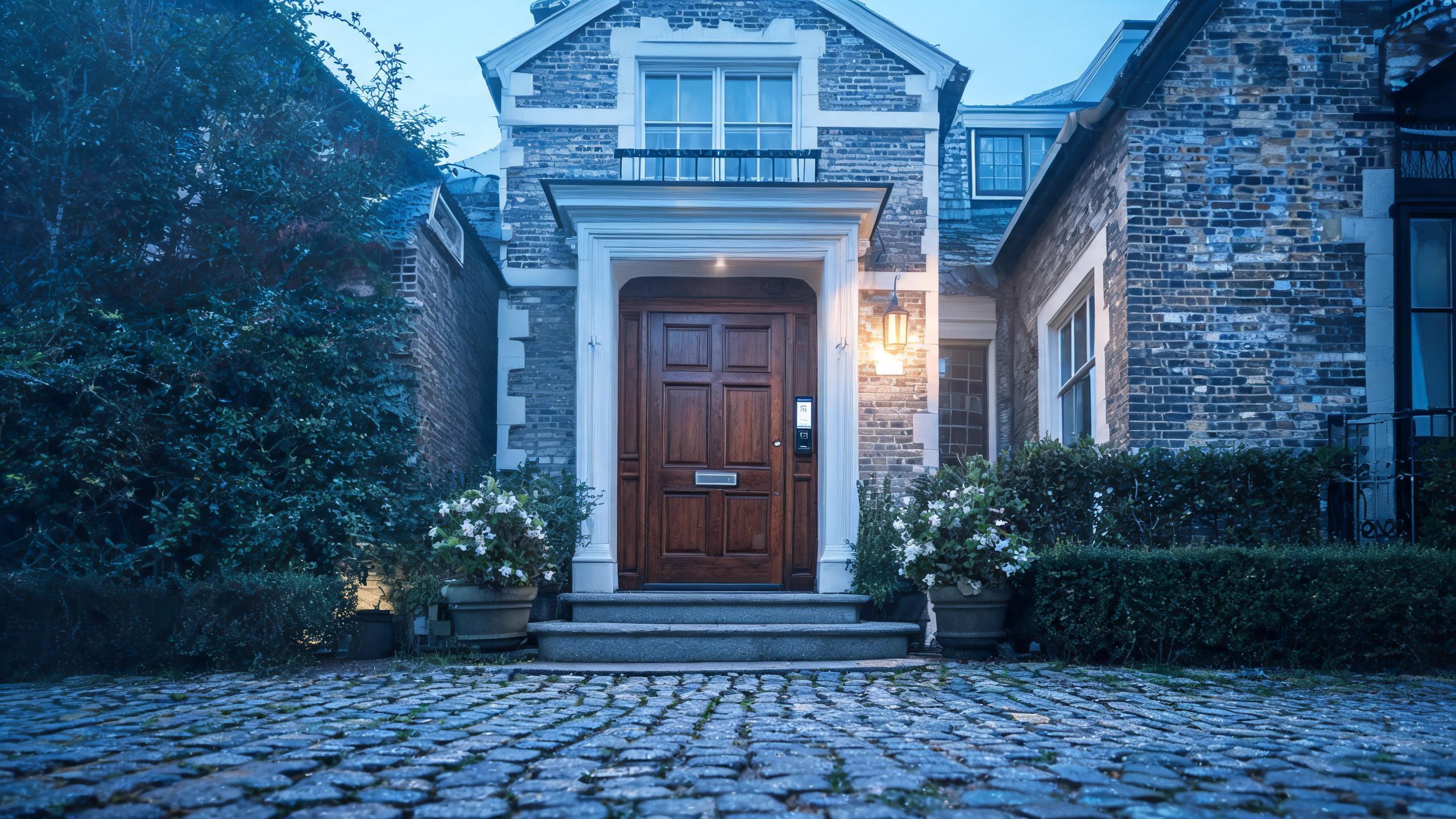
Bed and breakfast owners usually carry three jobs at once: host, housekeeper and duty manager, often on a property with one to ten rooms and irregular front-desk hours. A smart lock turns arrival into a self-service step by issuing each guest a code valid from check-in day to check-out day, which removes the midnight key handover without making the property feel automated. The same lock keeps housekeeping on a scheduled credential and records who entered when, which matters more in a home-style property than in a large hotel. Because many B&Bs occupy listed or converted buildings, door thickness, old prep and weather exposure are surveyed first, and the lock finish is chosen to suit the door rather than the other way round. The vacation rental model covers unattended stays, the villas page addresses larger holiday homes, and the applications hub lists every property type we plan for.
Bed and breakfast access at a glance
| Property scale | Typically a handful of guest rooms in a converted or heritage building, often with the owner living on site |
| Guest credential | One dated code per stay, delivered before arrival and automatically invalid at the stated check-out time |
| Staff access | Housekeeping and the owner hold separate recurring or scheduled credentials, with no key handover per stay |
| Door reality | Old timber doors, varied thickness and weather-exposed porch doors are common, so fitment is surveyed before model choice |
| Operation | Most small properties run offline or with a single gateway; the choice follows how often arrivals happen without anyone on site |
| Backup | Mechanical override and low-battery warning protect the personal-service model when an older guest struggles with the keypad |
| BOM shape | One lock per guest door plus back-of-house, gateway or none, a few backup credentials and spare batteries in the owner kit |
Answer unit
Offline locks or one small gateway?
A B&B does not need an enterprise platform. The decision is simply whether arrivals and lockouts must be handled from anywhere, or always with someone nearby.
| Dimension | Offline code locks | One-gateway connected setup |
|---|---|---|
| Guest codes | Programmed at the door or over Bluetooth when on site | Issued remotely and changed between stays from a phone |
| Late arrivals | Pre-set code covers the window; owner texts instructions | Code can be issued or adjusted remotely if plans change |
| Lockouts | Owner attends in person or relies on staff nearby | Owner unlocks or issues a fresh code remotely |
| Infrastructure | No network dependency at all | One gateway placed where Wi-Fi reaches the guest doors |
| Cost and setup | Lower cost, installation measured in minutes per door | Small gateway cost and a one-time network setup |
| Typical fit | Owner-occupied inns, small towns, personal hosting | Owners managing from off site or running multiple properties |
Door types and lock-body match
Heritage doors vary more than new-build ones. The survey records thickness, existing prep, exposure and whether the door is listed or fire-rated.
| Opening | Typical door | Lock approach |
|---|---|---|
| Guest room | Original timber door, often older or non-standard prep | Residential smart lever or deadbolt chosen by thickness, with period-suitable finish |
| Main entrance | Solid timber or glazed porch door, weather exposed | Weather-considered outdoor-rated model where exposure is real, otherwise an entry smart lock |
| Self-catering kitchen | Interior timber or part-glazed door | Guest code on the same stay window, or owner-only credential for stocked areas |
| Housekeeping store | Narrow service door | Owner-and-staff credential; offline is typical in small properties |
| Garden / side gate | Wooden or metal exterior door | Exterior-rated lock only where the rating is specified per SKU, otherwise a mechanical gate |
| Owner quarters | Residential interior door | Separate owner credential, never shared with guest code groups |
Example BOM shape for a small bed and breakfast
This example illustrates a typical configuration, not a specific customer project. Room count, door age and remote-hosting decide the final list.
| Component | Typical logic | Notes |
|---|---|---|
| Guest door locks | One per lettable room, model family matched to door age and finish | Thickness and prep confirmed during the survey |
| Entrance lock | One weather-considered lock where guests arrive unattended | Rating confirmed per SKU, not assumed from appearance |
| Gateway (optional) | A single unit if remote code issue is required | Position tested against real Wi-Fi coverage |
| Owner kit | Spare batteries, override keys and setup guide kept on site | Protects same-day recovery without a technician |
| Staff onboarding | Housekeeper credential setup and a written arrival script | Included with handover so the personal welcome is preserved |
How a small-property program rolls out
- Door surveyEach guest and service door is measured for thickness, prep and exposure, and any listed-building constraints are recorded.
- Model and finish choiceLock families are matched to the doors and the interior style, with offline or gateway operation decided honestly by staffing.
- Sample fittingOne representative guest door receives a sample lock so fit, finish and guest usability are approved before the rest are ordered.
- Install and codingLocks are installed room by room and stay windows are rehearsed, including a mock late arrival and a mock lockout.
- Host handoverThe owner and housekeepers practice code issue, schedule windows, low-battery response and override before the first paying guest uses the system.
Related applications
Related hospitality and hosting pages
Smart locks for bed and breakfasts: common questions
Will smart locks make our bed and breakfast feel impersonal?
They tend to do the opposite for small hosts: the lock handles the mechanical part of arrival, and the owner keeps the personal part — breakfast, recommendations and welcome messages. Guests who arrive after a long drive use a code instead of hunting for a hidden key, while hosts who prefer a personal greeting can still meet arrivals and let the code serve the late ones. The hardware itself is one lock per door in a finish chosen for the room, so nothing about the interior changes visually.
Can smart locks be fitted to old or listed doors?
Many heritage doors accept residential smart levers or deadbolts using existing prep, but old doors vary widely in thickness and material, so every door is surveyed before a model is named. Listed buildings may restrict drilling or visible hardware, which is a planning question rather than a technical one. Fire-rated doors use matched hardware rather than residential retrofits. A sample fitting on one representative door proves the approach before an order is placed, and the lock can be removed and the door returned to its original state if the tenancy requires it.
How do housekeepers access the rooms?
Housekeepers receive a recurring credential valid for their scheduled cleaning windows rather than a bundle of keys, and the owner holds a separate all-doors credential. On connected doors the window can be adjusted remotely for early cleans or late check-outs; on offline doors the schedule is set at the lock and reviewed when staff change. When a housekeeper leaves, their single credential is revoked instead of chasing keys across every room, and entry events on connected doors show whether the scheduled window was used.
What if the internet or the battery fails during a stay?
Offline locks have no internet dependency at all, and connected models fall back to codes programmed at the door or opened with the retained mechanical key. Batteries give advance low-power warnings and are part of the owner kit, with a typical service interval measured in many months rather than weeks per SKU. A guest with a dead keypad is never the first signal: the host sees the warning during routine checks, and every deployed lock keeps a mechanical override documented at handover.
What does a bed and breakfast order usually cost and what is the MOQ?
Small projects are quoted per lock plus an optional gateway, so a five-room inn and a ten-room inn differ directly; current MOQ and pricing are confirmed in writing per quotation rather than guessed in chat. Send the door count, door ages, whether remote hosting is needed and the opening date, and the quote lists hardware, any gateway, spares and lead time separately, which keeps a heritage property from paying for enterprise features it will never use.
Give guests self check-in — keep the welcome personal
Send your room count, door ages and whether you host remotely — receive a small-property BOM with written MOQ, pricing logic and lead time.
Discuss your project (RFQ)Project configurationsLast updated: October 31, 2026 · Reviewed by the Smart Lock Factory editorial team