
Markets
Smart locks for France: French doors, CE/RED rules, CNIL scrutiny and hospitality demand
French projects combine Euro-profile cylinders on timber and aluminum doors with CE/RED paperwork, strict biometric expectations under CNIL practice, and strong hotel and tourism channels.
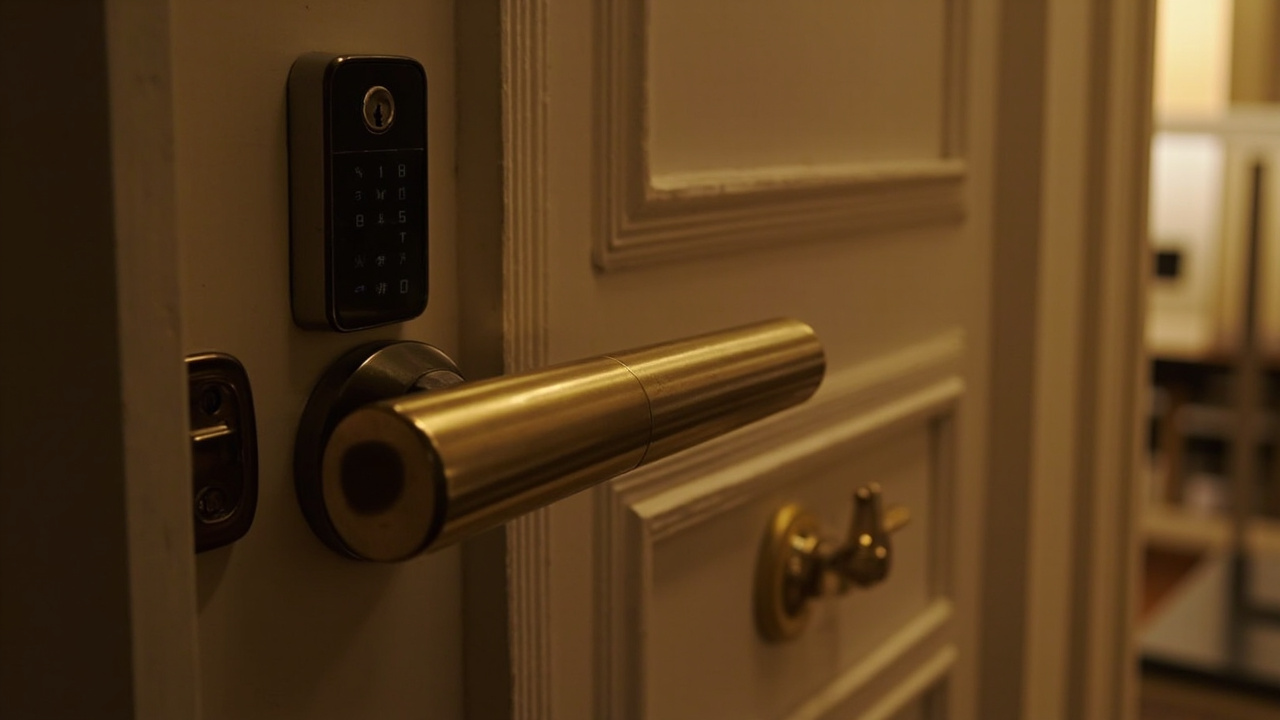
France pairs a mature Euro-profile cylinder market — traditional timber apartment doors with multipoint locks and modern aluminum entrances alike — with some of Europe’s strongest enforcement culture around personal data. Radio smart locks carry CE marking under the RED with RoHS and REACH obligations as applicable, while biometric features attract particular attention from the CNIL, so hospitality and rental operators overwhelmingly choose codes, RFID or mobile keys rather than fingerprints. The demand base is unusually service-led: hotels, serviced apartments, hostels, seasonal vacation rentals and co-living operators need remote check-in, offline fallback and rapid credential turnover, and NFC or mobile-key expectations are growing in upscale hospitality. Our factory supplies electronic Euro cylinders, smart escutcheons and mortise families for French door preps, with compliance documentation for named SKUs confirmed per RFQ.
The France market at a glance
| Door culture | Euro-profile cylinders on timber apartment doors, often with multipoint locks, plus aluminum and uPVC modern entrances. |
| Market access | Radio products carry CE marking under the RED with RoHS and REACH obligations as applicable, documented per named SKU. |
| Biometric caution | CNIL enforcement practice makes operators cautious with fingerprints; codes, RFID and mobile keys dominate deployed projects. |
| Hospitality | Hotels, serviced apartments and hostels demand RFID, NFC or mobile-key families with encoder and PMS-ready options. |
| Tourism rentals | Seasonal and urban short-stay portfolios rely on remote codes, offline fallback and battery planning between guests. |
| Co-living | Shared-housing operators combine unit doors, common rooms and parcel or amenity access in one credential system. |
| Documentation | CE-related and data-flow documents for selected SKUs are confirmed per RFQ; commercial terms are issued in writing. |
Answer unit
Why do French hospitality buyers prefer codes, RFID and mobile keys over fingerprints?
Strong data-protection practice, guest turnover and housekeeping workflows make revocable, non-biometric credentials simpler to operate and document for hotels and rental managers.
| Credential | Typical French use | Operator rationale |
|---|---|---|
| Keypad codes | Vacation rentals and co-living units | Issued and revoked remotely; no enrollment or biometric data |
| RFID cards | Hotels and hostels | Cheap replacement, familiar guest flow, encoder-based management |
| NFC / mobile key | Upscale hotels and serviced apartments | Wallet-based guest experience, optional PMS workflows |
| Electronic cylinder | Traditional timber and multipoint doors | Retrofit without routing, mechanical override retained |
| Biometric options | Limited private or niche deployments | Selected only after a careful CNIL-aligned assessment |
| Offline-capable units | Scattered apartments with weak connectivity | Codes work locally; audits sync when connection returns |
Segments, openings and supply approach
French doors vary sharply between Haussmann-era timber entrances with multipoint hardware and modern aluminum programs, so cylinder and multipoint compatibility is checked door by door.
| Segment | Typical opening | Supply approach |
|---|---|---|
| Hotels | Standardized guest-room and amenity doors | RFID or NFC families with encoder and optional PMS integration |
| Serviced apartments | Scattered urban units, remote check-in | Code or mobile locks with offline fallback and battery planning |
| Hostels | Dormitory and locker-heavy environments | Durable RFID or code locks with rapid turnover |
| Vacation rentals | Seasonal homes across cities and coasts | Remote code issuance, bilingual guest instructions |
| Co-living operators | Private rooms plus shared kitchens and services | One credential ecosystem across unit and common doors |
| Residential retrofit | Timber multipoint and aluminum entrance doors | Electronic cylinders and motorized fittings matched per door |
What the France supply scope typically covers
A typical scope, not a customer case. CNIL assessment sits with the operator; hardware and platform data flows are documented per named SKU.
| Component | Typical logic | Notes |
|---|---|---|
| Euro-profile hardware | Electronic cylinders, escutcheons and motorized fittings | Multipoint compatibility confirmed from door data |
| Hospitality families | RFID, NFC and mobile-key lock lines for hotels and hostels | Encoder and integration options stated per model |
| Rental configuration | Code locks with offline logic and remote issuance | Battery and guest-flow planning with the operator |
| Compliance documents | CE/RED, RoHS and REACH material and data-flow descriptions | Provided for named SKUs per RFQ |
| French market support | French-language labels, manuals and packaging options | Artwork and terms confirmed before production |
How a French smart lock program proceeds
- Profile the portfolioList hotels, apartments, hostels or rentals plus door types, multipoint locks and connectivity.
- Choose credentialsSelect codes, RFID, NFC or mobile key; biometrics are flagged early for data assessment.
- Confirm multipoint fitCylinder and motor compatibility is checked from measured photographs and hardware names.
- Validate samplesRepresentative doors receive samples, including offline operation and housekeeping credential tests.
- Lock terms and paperworkNamed-SKU CE documents, French localization, MOQ, lead time and warranty terms are issued in writing.
Related markets
Related France market resources
France smart locks: common questions
Are fingerprint smart locks legal in France?
Fingerprint locks are not prohibited, but France’s data-protection authority, the CNIL, applies GDPR rigorously to biometrics used for identification. Hotels, landlords, employers and co-living operators therefore need a clear lawful basis, information and retention practices, and often a data-protection assessment before deploying fingerprint access; consent in tenant or employment relationships is rarely a comfortable sole basis. In practice most French hospitality and rental operators choose codes, RFID or mobile keys, which keep the data footprint smaller. We describe what named models store on device or in the cloud, but the operator and its adviser qualify each deployment.
What mobile or NFC key options do French hotels expect?
Upscale French hotels increasingly ask for NFC-based mobile credentials, including wallet-style guest keys, alongside classic RFID cards and encoder workflows, and serviced-apartment operators add app or messaging-based mobile entry. The practical checklist covers which lock families accept the NFC module, whether phones present while powered off, how encoder and PMS integration works, and what happens when connectivity fails. We state the supported functions per named model and confirm in writing which credential ecosystem a shipment ships with; cross-ecosystem compatibility is not assumed and should be tested in the sample phase.
Do smart locks fit typical Parisian apartment doors?
Many Parisian apartments use timber entrance doors with Euro-profile cylinders and multipoint locks, and the cleanest retrofit is an electronic Euro cylinder or a motorized fitting that drives the existing multipoint hardware rather than replacing the door’s lockwork. Cylinder length, cam position, handle rose and the multipoint brand are checked from measured photographs; older doors may need thinner escutcheons or surface options. Modern aluminum and uPVC programs are simpler because their chambers follow standard Euro dimensions. We confirm fitment per door schedule in writing before production and recommend sample fitting on one representative door per type.
How do short-rental hosts handle batteries and offline operation?
Remote operators cannot visit a flat for every low battery, so the standard approach combines battery-life planning, low-battery alerts in the platform, mechanical or power-reserve override, and offline-capable locks that accept scheduled codes without live connectivity. Hosts brief guests in bilingual instructions and keep spare cylinders or battery procedures documented for cleaning staff. We specify the battery and offline behavior of named models per RFQ rather than quote generic lifespans, and the operator sets the replacement calendar. Where Wi-Fi is unreliable, offline-first code locks outperform always-online hardware.
Which CE documents are requested in a French RFQ?
French buyers typically ask for the CE declaration and references covering the RED for radio functions, RoHS and REACH material information, installation and user documentation in French, and a description of what the app or platform stores and transmits to support their GDPR and CNIL review. Project tenders may add fire-door logic and, for aluminum programs, profile compatibility drawings. We assemble the pack for the exact named SKUs in each quotation and state in writing what is available per model; we do not issue blanket certificates across a whole catalog.
Plan a hotel, rental or co-living smart lock program in France
Send your portfolio mix and door photographs — receive a credential-led model map with CE documentation and French localization terms per RFQ.
Request a Quote (RFQ)Project configurationsLast updated: October 31, 2026 · Reviewed by the Smart Lock Factory editorial team