
Buying guides
Gym lock buying guide: unmanned 24/7 access for members and lockers
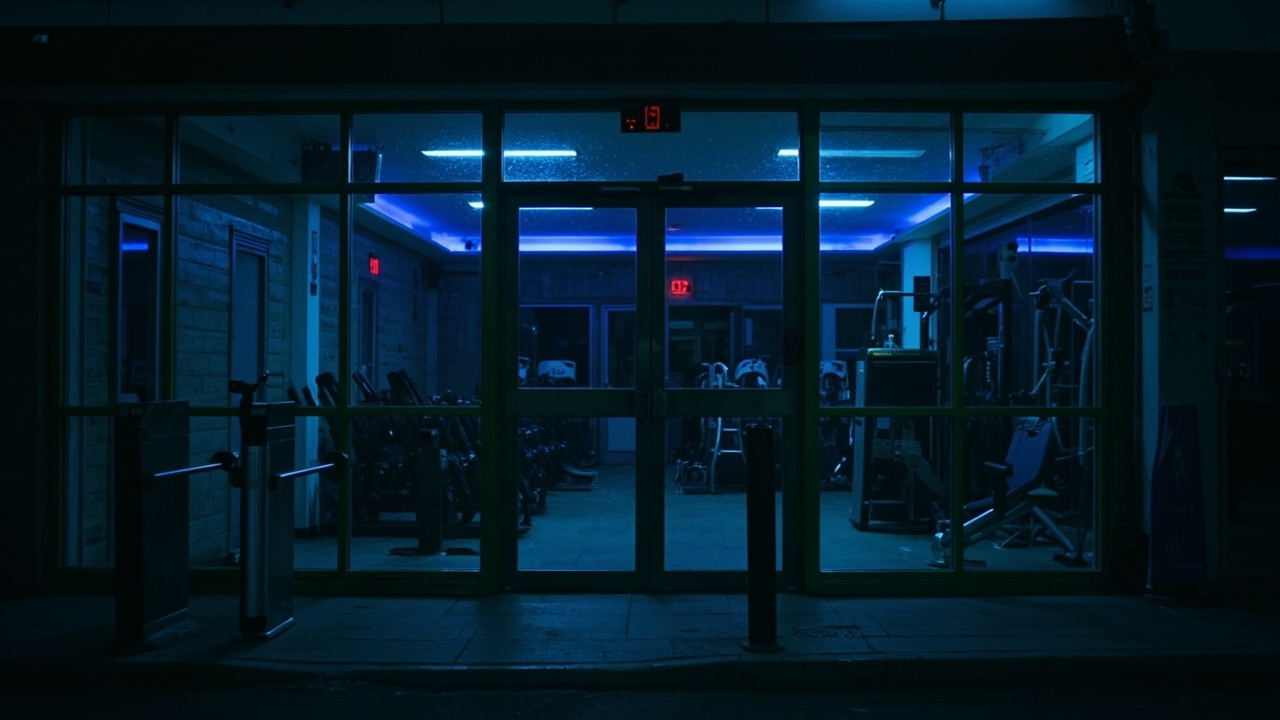
A 24/7 gym is an unattended building that hundreds of members enter alone. The lock system has to admit active members, block expired ones, protect lockers and behave safely when power fails.
Fitness clubs run an unusual access model: the building is often open with no staff present, membership starts and stops continuously, and entrances, locker rooms and individual lockers all need different hardware. The entrance is normally a reader or keypad tied to a turnstile or speed gate, validating dated member credentials that die automatically when a membership lapses or a day pass expires, which is what allows genuinely unmanned 24/7 operation. Lockers carry the second volume: electronic cam locks, keypad combination locks and motorized dial locks let members choose or receive a code per visit and reset it at the end, while staff lockers follow named schedules. Humidity, sweat and frequent cleaning demand corrosion-resistant finishes and electronics rated for the locker-room environment, and power-loss rules must balance emergency egress against equipment theft. This guide covers entrance, locker and staff openings; current MOQ policy, sample terms and lead time are confirmed in writing per quotation, and certificates and test reports for named SKUs are provided per RFQ.
Gym access at a glance
| Entrance logic | Dated member, day-pass and trial credentials are checked at a reader or keypad driving a turnstile, gate or electric strike. |
| 24/7 operation | Auto-expiry, anti-passback and door-forced-open alerts let the club run safely without night staff. |
| Locker locks | Electronic cam and combination locks issue per-visit or member codes that reset, removing master-combination lists. |
| Environment | Changing rooms demand moisture-resistant finishes and electronics rated for humidity and cleaning chemicals. |
| Power-loss rules | Free egress is guaranteed mechanically; entrance fail mode is chosen against theft risk and local code. |
| Staff zones | Office, cash and equipment rooms use always-locked storeroom logic with staff schedules and audits. |
| Order terms | Current MOQ policy, sample terms and lead time are confirmed per quotation; named-SKU certificates are provided per RFQ. |
Answer unit
How should different gym zones be locked?
Member flow and staff flow are separated by design: members pass automated entries and self-serve lockers, while cash, equipment and back rooms stay on staff credentials with strict schedules.
| Zone | Typical hardware | Operating logic |
|---|---|---|
| Main entrance | Reader plus turnstile or speed gate | Active members enter; expired and trial credentials are rejected automatically. |
| Locker room door | Reader with scheduled free-access hours | Open during staffed hours, credential-only during unmanned 24/7 periods. |
| Member lockers | Electronic cam or combination lock | Member sets a per-visit code; lock resets on checkout or staff clear. |
| Staff lockers | Electronic lock with named credential | Fixed assignment, supervisor override and audit on demand. |
| Cash and office rooms | Storeroom lock, always locked outside | Named staff only, time schedules and complete audit trail. |
| Equipment and bike storage | Fail-secure lock with vendor windows | Contractors enter during scheduled windows; members excluded. |
Use cases, openings and lock choices
The humidity map inside a club matters as much as the floor plan. Hardware near showers and steam rooms needs stronger moisture protection than hardware in the dry entrance zone, even within one product family.
| Opening | Typical door | Lock approach |
|---|---|---|
| Street entrance | Framed glass or aluminum door | Reader-controlled strike or maglock with listed egress release. |
| Turnstile lane | Integrated barrier with reader posts | Anti-tailgate logic and membership validation at every entry. |
| Changing room entrance | Moisture-exposed door | Sealed reader and corrosion-resistant lock hardware. |
| Member lockers | Phenolic, metal or wood lockers | Electronic cam or combination locks designed for locker mounting. |
| Studio doors | Interior timber or glass doors | Scheduled unlock for class times, locked outside the timetable. |
| Back-of-house door | Steel service door | Fail-secure device with staff credentials and loading-bay schedule. |
Operator checklist before buying for a club or chain
Most gym access failures appear in the member journey: an expired code at 5 a.m., a locker that will not reset, or an entrance unlocked after power loss. The items below are validated with samples before chain rollout.
| Component | Typical logic | Notes |
|---|---|---|
| Membership sync | How membership software pushes start, freeze and expiry status to readers. | Ask for API scope, sync latency and behavior when it fails. |
| Turnstile interface | Reader-to-gate wiring, anti-passback and fire-release integration. | The entrance sequence must satisfy the local fire review. |
| Locker reset flow | Member-set versus assigned codes, staff clear and lost-item procedure. | Test reset speed during the busiest turnover window. |
| Environmental rating | Moisture, temperature and cleaning-chemical exposure per product. | Confirm the rating covers the fitted assembly, not only the chip. |
| Terms and evidence | Certificates, listings, MOQ policy, samples and spare-parts terms. | All confirmed in writing per quotation for named SKUs. |
Rolling access hardware across a fitness club
- Map zones and usersList member, staff and contractor openings and the humidity level of each.
- Define membership logicAgree sync with membership software, day passes, freezes and revocation.
- Specify the entranceChoose turnstile or gate, reader, fail mode and fire-release sequence.
- Pilot lockersTest member-set codes, reset and staff override across peak turnover.
- Commission unmanned hoursRun overnight and weekend tests of alerts, egress and power failure.
Related buying guides
Related fitness and access pages
Buyer questions about gym and fitness locks
How do member credentials start and stop automatically with memberships?
The membership system is the source of truth: when a member joins, renews, freezes or cancels, that status is pushed to the access platform through an API or scheduled sync, and the entrance credential — card, fob, mobile key or PIN — is activated or revoked accordingly. Day passes and trials carry short validity windows, sometimes only a few hours, and anti-passback rules stop one credential admitting a group. Entrance readers and turnstiles validate the current status from a cached list when the site briefly loses connectivity. Buyers should ask specifically for sync latency, what happens during an internet outage, and how frozen versus cancelled members are handled; interface scope for the named membership software is confirmed in writing per RFQ rather than assumed.
What kind of locks work on gym lockers and how are codes reset?
Three electronic families dominate: cam locks that replace the mechanical cam on metal lockers and open by code or RFID, keypad combination locks where the member enters a self-chosen code and pulls the handle, and motorized dial locks with richer audit and master functions. In free-use mode the member sets a code per visit and releases it at checkout; in assigned mode the locker keeps a member or staff code for a term. Staff clear locks, open for forgotten codes and audit recent use from a master credential or management device. Buyers should verify locker material and door thickness fitment, battery change procedure without opening every locker, and reset time during peak turnover; exact mounting and battery specs are confirmed per named SKU.
What happens to access and lockers when the power fails?
Life-safety rules require free egress regardless of membership status: inside motion sensors, crash bars or mechanical levers release exit paths, and turnstiles fail to a state approved by the fire authority. The entrance is typically fail-secure so a power cut does not turn the club into an open building, with named staff able to enter by mechanical or battery override. Battery locker locks are unaffected by mains loss and keep their codes, while wired reader-controlled locker zones follow their specified fail logic. The whole sequence — which barriers release, how members leave, how staff re-enter — is documented per opening and tested with power actually cut during commissioning; fail statements for named devices are provided in writing.
Which locks survive humid locker rooms and frequent cleaning?
Locker-room moisture, chlorides from sweat and aggressive cleaning chemicals attack both finishes and electronics. Specify hardware rated for the environment with sealed reader surfaces, corrosion-resistant coatings and stainless or treated fasteners, and check the IP rating applies to the complete fitted assembly rather than an internal module. Battery lockers need sealed compartments and a battery chemistry rated for the expected temperature range; condensation around steam and pool areas is harder on electronics than direct spray. Equipment selection should differentiate dry-zone entrance hardware from wet-zone locker hardware rather than using one model everywhere. IP and corrosion evidence, including test conditions for the exact SKU, is provided per RFQ, and cleaning instructions should enter the maintenance manual.
Can the same access platform handle entrances, studios and staff doors across a chain?
Yes when the platform supports multi-site management: head office sees all clubs in one console, local managers control their own door schedules, and membership rules apply across sites for chain-wide passes while single-club members are restricted to one location. Studios unlock automatically to the class timetable, staff doors stay on role schedules, and audits aggregate per site. Implementation requires named hardware for entrances and internal doors, gateway or panel planning per club, and a written integration scope with the membership system. Multi-site chains should pilot one club end to end — including a power-loss drill and locker turnover at peak time — before committing volume; platform limits, per-site roles and commercial terms are confirmed in writing per quotation.
Equipping a 24/7 gym or fitness chain with access and locker locks?
Share your club layout, membership software and locker types. We confirm entrance integration, locker models, wet-zone ratings, fail modes and current MOQ policy, sample terms and lead time in writing per quotation.
Request Spec Sheet + QuoteOrder samplesLast updated: October 31, 2026 · Reviewed by the Smart Lock Factory editorial team