
Applications
Smart locks for energy farms: operations and maintenance windows across miles of unmanned gates
Perimeter, inverter and turbine access scoped to operations and maintenance windows, offline weatherproof hardware, contractor control and theft deterrence on spread-out sites.
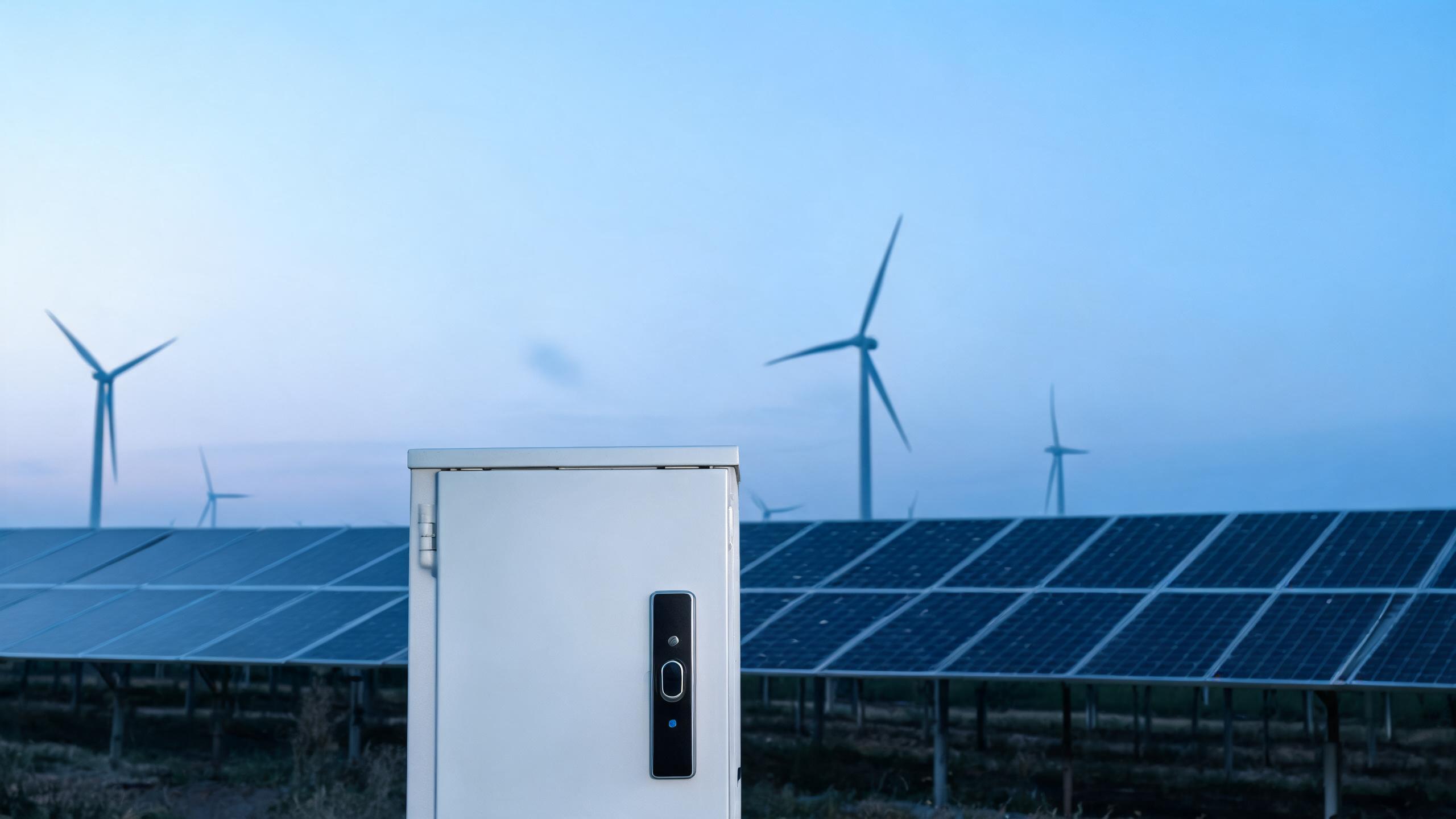
Solar and wind assets spread security thinly across large, unmanned areas: perimeter gates miles from any office, inverter and medium-voltage stations among panel rows, turbine towers climbed for service, SCADA rooms, spare-parts containers and substations that attract copper and equipment theft. Smart access turns the maintenance schedule into the credential model: an operations and maintenance technician or turbine-OEM service crew opens only the gates, stations or turbines assigned to the work order, for the visit window, with events recorded even where connectivity is absent. Hardware is outdoor-rated for the site’s actual climate — dust, salt or sub-zero exposure — and battery service is planned along inspection routes. The telecom page covers the same offline-first discipline, the EV charging page covers power-distribution assets, and outdoor-rated lock platforms cover gates and station doors.
Energy-farm access at a glance
| Distributed assets | Gates, inverter stations, turbine towers and containers sit miles apart with no guarding, so access is self-validating at the door |
| Work-order windows | Operator and OEM service crews receive credentials tied to the ticket and visit, not standing site keys |
| Offline reality | Array roads and turbine pads often lack coverage; cached credentials and buffered events are assumed from the start |
| Theft deterrence | Substations, cable routes and spare containers carry narrow groups and entry records supporting loss review |
| Climate duty | Hardware is specified for dust, moisture, salt or freezing conditions by the actual site exposure |
| Multi-employer sites | Owner, operations and maintenance contractor and turbine OEM access is separated while honoring warranty service requirements |
| BOM shape | Perimeter and station controls, turbine and container locks, credential scope by employer, service tooling and spares |
Answer unit
Gate keys shared with every contractor, or work-order credentials at every gate and turbine?
Owner-operators converge on ticket-scoped access per asset; shared gate keys survive only on low-risk peripheral access during construction.
| Dimension | Shared site and gate keys | Work-order credentials per asset |
|---|---|---|
| Service control | Any contractor reaches any turbine | Crew opens only the towers on the work order |
| Theft review | No record at compound or container | Entry events per substation and spare store |
| Warranty visits | Keys mailed to OEM crews | Temporary credential windows preserve OEM service obligations |
| Coverage gaps | N/A for mechanical keys | Offline cached operation across array roads |
| Lost keys | Site-wide rekey exposure | Central revocation; locks unchanged |
| Typical fit | Single small rooftop array | Utility-scale farms, multi-site operations and maintenance portfolios |
Door types and lock-body match
Outdoor gates, station doors and turbine tower bases define the specification; the SCADA room follows controlled-office practice.
| Opening | Typical door | Lock approach |
|---|---|---|
| Perimeter / array gate | Gates on long fence runs and access roads | Weatherproof offline gate locks with ticket-scoped crew credentials |
| Inverter / MV station | Prefab steel equipment house or enclosure | Sealed hardware, narrow operations and maintenance credentials and entry records |
| Turbine tower base | Steel tower door at ground level | OEM-scoped service windows; climb-safety procedures unchanged |
| Substation fence / door | Security fence and equipment gate | Highest-sensitivity group, coordination with electrical safety rules |
| SCADA / control room | Conditioned site office or room | Operations-only credentials with vendor service windows |
| Spare-parts container | Shipping container in compound | Rugged container hardware with stock-access records |
Example BOM shape for a utility-scale site
This example illustrates a typical configuration, not a specific customer project. Asset count, climate and service model drive the list.
| Component | Typical logic | Notes |
|---|---|---|
| Gate and station controls | Perimeter gates, inverter and MV stations | Offline weatherproof hardware sized to the asset inventory |
| Turbine and container locks | Tower base doors and spare-parts containers | OEM service windows and stock records built into the workflow |
| Work-order integration | Credential issuance from the named maintenance platform | Ticket fields and multi-employer rules confirmed in writing |
| Climate provisions | Hardware selected by documented site exposure | Salt, dust or freezing variants grouped by site, not guessed |
| Field spares and tooling | Regional stock plus battery service equipment | Swaps planned along existing inspection routes |
How an energy-farm access program rolls out
- Asset and climate auditGates, stations, turbines, containers and exposure conditions are inventoried across the portfolio.
- Pilot siteOne farm runs real work orders, OEM warranty visits, offline entry and theft-review reporting end to end.
- Portfolio rolloutHardware installs during scheduled inspections so crews visit each gate once for fit and service.
- Contractor adoptionOperator and OEM organizations connect their dispatch flow to site-and-window credentials.
- Assurance handoverLoss-review reports, spare locations and electrical-safety coordination are documented for operations.
Related applications
Related energy and infrastructure pages
Smart locks for solar and wind farms: common questions
How do service crews access turbines and stations far from coverage?
Credentials ride with the work order: the maintenance platform issues a site-and-window credential to the assigned crew before they leave the yard, the offline-capable lock validates it at the turbine pad or inverter station with no network present, and the visit event buffers until collection. OEM warranty service works the same way through temporary windows, so turbine makers retain the access their warranties imply without receiving a permanent site key. Emergency curtailment or fault response uses a documented fast-authorization route that still records who entered. The integration with the named maintenance system is scoped in writing, and sites with no platform integration can manage crew credentials centrally as a first phase without replacing hardware later.
Does smart access help with copper and equipment theft?
Substations, cable transition points and spare-parts containers are the high-value targets, and they receive the narrowest credential groups plus entry records, so a Monday review shows exactly which crew opened a compound over the weekend — a stark contrast with a gate key shared across every contractor on site. Gates on long fence runs add tamper-resistant hardware and fit into the same event record. Access control complements rather than replaces the physical security design: fencing, lighting and camera coordination are planned together, and the credential model ensures investigation begins with a short named list instead of an open population of past contractors.
What hardware survives desert dust, coastal salt or freezing sites?
Hardware classes are matched to the documented exposure of each site: sealed enclosures and corrosion-resistant materials for coastal salt, dust-tolerant sealing for desert arrays, and low-temperature-rated components and battery planning for northern wind sites, rather than one product across the portfolio. Service intervals are set from the same exposure data. The asset and climate audit groups sites by conditions, so procurement buys the tougher variant only where the audit shows it is needed and avoids under-specifying the exposed fraction. Turbine tower doors additionally consider vibration and the technician’s climb workflow, and all installations respect electrical-safety boundaries at medium-voltage equipment.
How are owner, operations and maintenance contractor and turbine manufacturer access separated?
Each employer is its own credential population: owner operations staff hold SCADA and station groups, the operations and maintenance contractor receives work-order windows for planned maintenance, and the turbine OEM holds warranty-scoped tower windows — none inherits the others’ scope, and all expire by ticket. This matters because long-lived shared keys are how unauthorized vendors end up inside energized stations. On multi-technology sites the same model covers solar, wind and storage assets under one policy. The employer matrix is written before rollout so warranty obligations, escort requirements and electrical-safety rules have a credential decision mapped to each, including what happens during an emergency response involving multiple crews.
How is an energy-farm BOM and MOQ scoped?
The BOM counts gate and station controls, turbine and container locks, integration scope, climate variants and field spares from the asset audit, with MOQ and lead time confirmed in writing per quotation. Programs pilot one representative farm with all asset and exposure types before portfolio volume, and multi-site owners standardize hardware classes so volume and regional spares accumulate across acquisitions. Send the asset inventory by type, site exposure notes, contractor and OEM matrix, and maintenance platform names, and the quote is structured per site and per asset class for phased procurement across the portfolio.
Turn the maintenance schedule into the site key
Send the asset inventory, climate notes and contractor matrix — receive a per-asset-class BOM with integration scope and written MOQ and lead-time terms.
Discuss your project (RFQ)Project configurationsLast updated: October 31, 2026 · Reviewed by the Smart Lock Factory editorial team