
Applications
Smart locks for K-12 schools: perimeter control and classroom security
Staff badge access, secured vestibules, classroom security procedures and district-scale rollout — with life-safety egress preserved and every door class specified against the school's own safety plan.
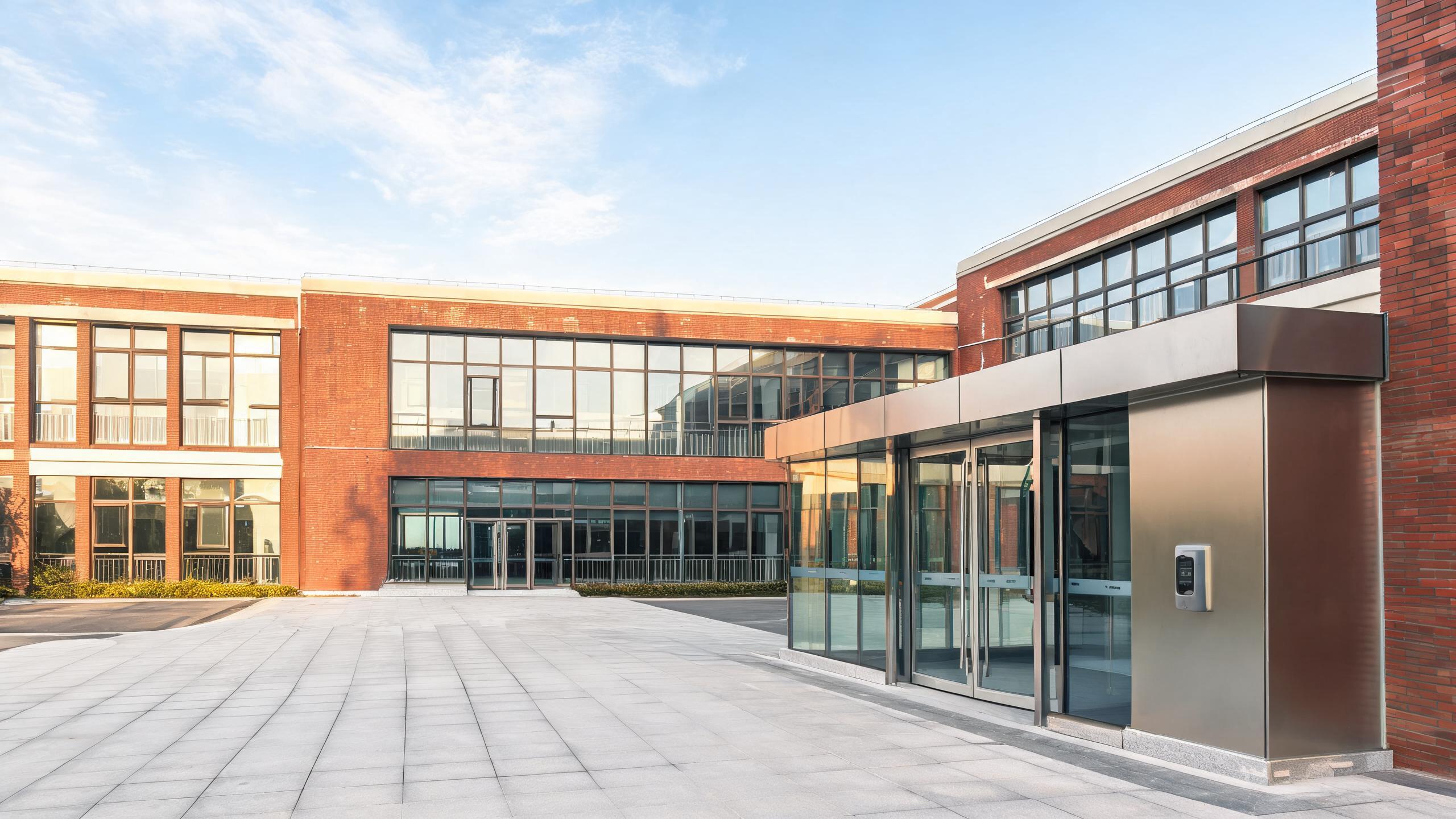
K-12 access follows a different logic from a university or an office. Young students do not carry phones or manage credentials, so the system is operated by staff, not by pupils, and its two jobs are distinct: keeping the perimeter and vestibule controlled so visitors are screened at one point, and giving teachers a dependable way to secure a classroom door from inside under the school's own safety plan. Those two jobs use different hardware thinking. Perimeter doors need staff credentials, schedules around the school day and after-hours events, and entry records where the platform supports them; classroom security is primarily a mechanical and procedural function — a lock that a teacher can engage quickly without opening the door, while free egress is always preserved in line with local fire and life-safety requirements. District projects add procurement reality: multiple schools built in different decades, tight installation windows in holidays rather than term time, and staff training that survives high personnel turnover. The university campus page covers higher education; K-12 is specified separately because the threat model and the users differ.
K-12 smart access at a glance
| Primary users | Staff operate the system; pupils carry no credentials, which shapes every workflow from enrollment to lockout response |
| Perimeter control | Staff badge or code entry on exterior doors, automatic locking after arrival windows, and schedules for events, maintenance and breaks |
| Secured vestibule | Visitor flow held at a controlled entrance, with office staff controlling the second door into the academic area per the school's procedure |
| Classroom security | Teacher-engaged locking from inside the room, selected and installed against the local safety plan — never compromising required emergency egress |
| Audit and schedules | Entry records and time-based unlock on connected doors; offline locks retained where schedules are fixed and records are not required |
| Rollout reality | Installation in holiday windows, schools with mixed door prep across a district, and training designed for rotating staff and substitute teachers |
| BOM shape | Perimeter and vestibule locks, classroom-security hardware by door, staff credential stock, gateways where records are needed, and spares per school |
Answer unit
Classroom security hardware or perimeter credential systems?
They answer different events and most schools need both, specified separately rather than expecting one smart lock to do both jobs well.
| Dimension | Classroom security function | Perimeter credential access |
|---|---|---|
| Event served | Securing the room quickly during an internal safety event | Controlling who enters the building and when |
| Operator | Teacher inside the room, under drill procedure | Staff badges, office releases, scheduled unlock |
| Engagement | Engaged from inside without stepping into the corridor | Credential read at exterior or vestibule readers |
| Egress rule | Free exit always preserved per fire and life-safety code | Free exit preserved; entry controlled and logged |
| Connectivity | Must work with no network and no time to spare | Connected where schedules and records are required |
| Buying driver | School safety plan and district security standard | Front-office workload, visitor control and events |
School openings and lock approach
Exact hardware follows the door survey and the district's adopted safety procedure; egress compliance is verified opening by opening.
| Opening | Typical door | Lock approach |
|---|---|---|
| Main entrance / vestibule | Aluminum or steel entrance, often double-leaf | Credential-controlled first door with office-controlled release into the school |
| Classroom | Timber or metal inward-opening door | Inside-engaged security function selected for the teacher procedure, with free egress preserved |
| Exterior / perimeter | Fire-rated steel doors, several generations in one district | Staff credential locks on school-day schedules, auto-locked after arrival |
| Gym / cafeteria / auditorium | Large fire-rated doors and glass entrances | Event schedules plus staff credentials; glass platforms where applicable |
| Staff office / records / server room | Secured interior doors | Small-group credentials with records where connected; locks with mechanical override |
| Storage / plant / kitchen | Metal service doors | Custodial and vendor credentials; offline locks are common and appropriate |
Example BOM shape for a district rollout
This example illustrates a typical configuration, not a specific customer project. Schools are surveyed individually even within one district order.
| Component | Typical logic | Notes |
|---|---|---|
| Perimeter locks | Per controlled exterior door across schools in the phase | Schedules set per school bell calendar |
| Vestibule control | One controlled visitor path per school site | Front-office release procedure documented |
| Classroom security | Per classroom door, body matched to existing prep | Teacher procedure and drill training included |
| Credentials and gateways | Staff badges plus spare stock; gateways at record-keeping doors | Substitute-teacher issuing process designed in |
| Spare pool | Per-school defects stock held by district maintenance | Holiday-window service plan agreed up front |
How a district program is delivered
- Safety-plan alignmentThe district's adopted safety procedure, fire authority requirements and visitor policy define the functional spec before any product is chosen.
- Per-school surveysEvery site is surveyed for door prep generations, vestibule layout, classroom handing and egress requirements, even within a single district contract.
- Pilot schoolOne school runs arrival, lockdown drills, event access and substitute-staff workflows for a full review cycle before district-wide rollout.
- Holiday installationPhases install in scheduled breaks with per-school kitting, and never leave a school without its agreed security function during term.
- Training and sustainmentOffice staff, teachers and custodians train on their own procedure, one-page aids are posted, and spares and service paths are handed to district maintenance.
Related applications
Adjacent education and public-sector pages
Smart locks for K-12 schools: common questions
How do teachers lock a classroom door in a safety event?
The mechanism is defined by the district's adopted safety procedure and installed so a teacher can engage it from inside the room without stepping into the corridor and without wasting seconds on a credential. Free egress is always preserved in line with fire and life-safety requirements, and the exact hardware is chosen to work with no network available. Teachers rehearse it in drills; it is treated as a safety function first and a smart feature second.
How are visitors controlled?
Through a secured vestibule: visitors enter a controlled first door, identify at the office, and office staff release the second door into the academic area only after the school's check-in procedure. Exterior doors stay locked after the arrival window, with staff badges handling legitimate entry and event schedules opening defined doors for after-hours use. The release workflow is a front-office procedure, not just a hardware feature.
Do young students need cards or an app?
No, and that is the core difference from campus housing. In K-12 the staff operate the system — teachers secure rooms, office staff release the vestibule, custodians carry service credentials — so there is no per-pupil enrollment, no lost-phone lockouts and no child-data consideration around credentials. Where older-student programs choose cards, such as a high school with existing student IDs, it is an optional extension rather than a requirement.
Can a whole district be installed during school holidays?
That is the standard delivery model: per-school surveys and kitting are completed in advance, and each phase fits inside a scheduled break so the school always opens with its agreed security function. Districts with schools from several construction decades are surveyed site by site, because classroom handing and door prep vary even between neighboring schools, and the spare pool and service plan are handed to district maintenance before term restarts.
What do districts need to provide for a project BOM?
The adopted safety and lockdown procedure, fire authority requirements, the list of schools with door counts and vestibule layouts, bell calendars and event patterns, and whether entry records are required at given doors. The return is a per-school component BOM — perimeter and vestibule locks, classroom-security hardware, staff credentials, gateways and spares — with current MOQ and lead time confirmed in writing per quotation.
Specify school access from the safety plan, not the reverse
Send the district procedure, school list, vestibule layouts and door counts — receive a per-school BOM with written MOQ and lead-time terms.
Discuss your project (RFQ)Public-sector supplyLast updated: October 31, 2026 · Reviewed by the Smart Lock Factory editorial team