
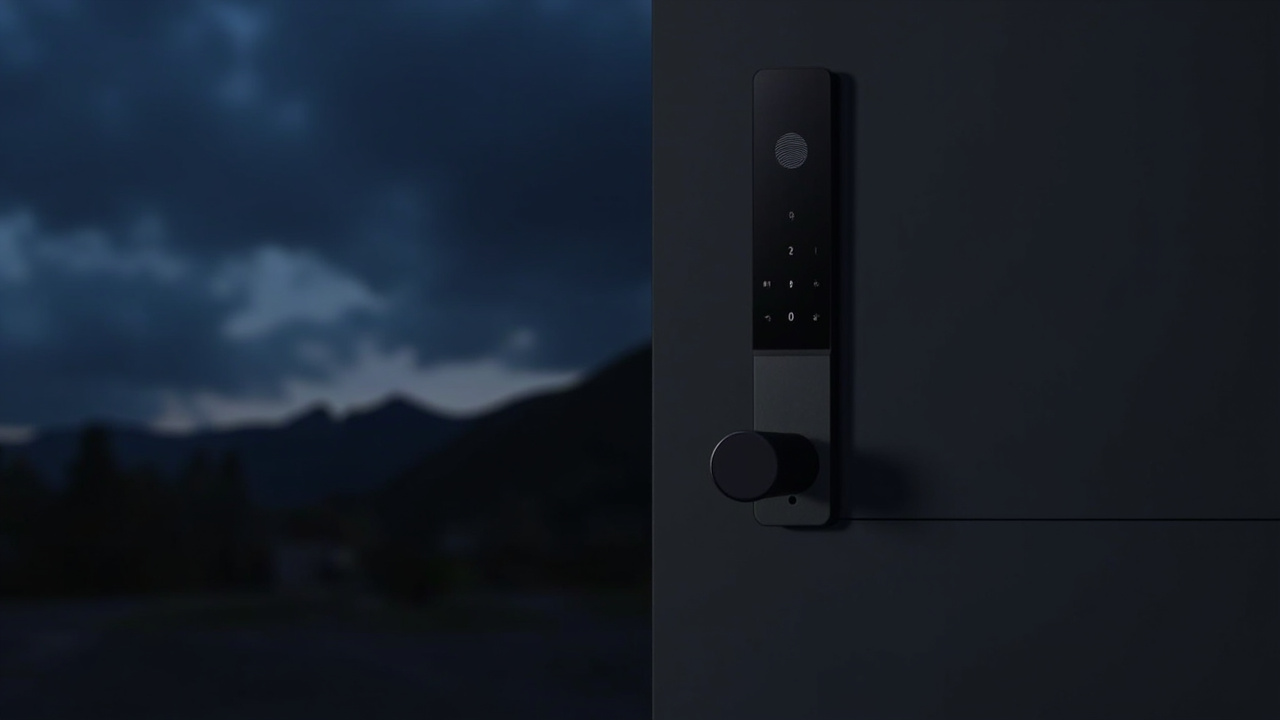
指紋認証と顔認証は、大量採用されたスマートドアロックに組み込まれた2つの生体認証です。しかし、両者の故障の性質は異なります。指紋認証には小型センサーへの物理的な接触が必要であり、確実で低コスト、取付高さの制約も少ない一方、濡れた指、擦れた指、冷たい指、長年のセンサー汚れには敏感です。3D顔認証モジュールは、構造化光、ToF、INGERまたはステレオ深度を認識対象者に照射し、買い物袋を持っていても、手袋着用時でもハンズフリーで解錠できます。一方、消費電力とコストが高く、子どもや車椅子利用者のための明確な高さ範囲が必要で、玄関にカメラに似た部件を設置するため、プライバシーに対する期待もより厳しくなります。質の高い設計では、どちらの方法もテンプレートを端末内に保存します。どちらかを唯一の解錠手段にすべきではありません。このガイドでは、信頼性、アクセス性、耐候性、プライバシー、BOMコストの観点から両者を比較します。モデルごとのモジュールの機能 Gamaは、見積書ごとに確認されます。
指紋認証と顔認証を一覧で比較
| 操作方法 | 指紋認証はセンサーへの意図的なタッチが必要ですが、顔認証は認識距離と高さの範囲内で近づくだけで解錠できます。 |
| ハンズフリーの価値 | 用户的が物品Mars Beschafenしたり、手袋Vzaliや手を濡らしたりしている場合は顔認証が有効です。指紋認証には、空いた乾いた指が引き続き必要です。 |
| 高さへの感度 | 顔認証モジュールは、子どもや着席した利用者のために正しい取付高さが必要です。指紋リーダーは、届く範囲ならどの取付高さでも使用できます。 |
| 天候時の動作 | どちらも屋外では性能が低下します。濡れた指では指紋が読み取りにくくなり、直射日光や逆光は深度カメラのコントラストを低下させます。 |
| 電力とコスト | 顔認証モジュールは半導体と電力消費を増やします。指紋センサーはより安く、電池gry的限制への影響も小さいです。 |
| プライバシー特性 | 顔認証用ハードウェアはカメラに見え、玄関のプライバシーに対する厳しい scrutinyを集めます。質の高い設計では、どちらもテンプレートをローカルに保存します。 |
| 当社の方針 | 主張を混在させるのではなく、モデルごとに検知方式、認識範囲、テンプレート処理、代替資格情報を明確にします。 |
| ドアまたは利用者 | より適した方式 | 設計上の対応 |
|---|---|---|
| 子どものいる家庭 | 指紋認証を主方式、顔認証は任意 | 子どもは顔の形状よりも指紋を登録する方が信頼性が高くなります。 |
| 高級ヴィラの玄関 | 3D顔認証と指紋認証 | ハンズフリーで到着できます。暗い環境では指紋認証が補完します。 |
| バリアフリー住宅や高齢者の住まい | 慎重に取り付けた顔認証モジュール | 注文前に着席時と車椅子利用時の高さを試験してください。 |
| 短期賃貸物件 | ownerには指紋認証、ゲストにはコード | 一時滞在のゲストをどちらの生体認証にも登録しないでください。 |
| 屋根付きの屋外ドア | 耐候性試験後ならどちらも可能 | 実際の向きで日光と雨の影響を検証してください。 |
| コスト考慮のプロジェクト | 指紋認証モジュール | BOMへの影響が小さく、取付も簡素です。 |
実際のプロジェクトにおける横並び比較
生体認証の選択は取付環境と相互に影響します。顔認証モジュールは高位置取付や逆光で不利になり、指紋リーダーは汚れの蓄積や厳しい天候で不利になります。また、どちらも訪問者向けの非生体認証経路が必要です。
| 判断要素 | 第一候補 | 第二候補 |
|---|---|---|
| 解錠ジェスチャー | 小型の窓に意図的にタッチします。 | 一度見るか近づくだけで、手ぶらでなくても解錠できます。 |
| 濡れた手や手袋 | 濡れた指では読み取り精度が低下し、手袋では読み取れません。 | ハンズフリー経路は手袋や濡れた手の影響を受けません。 |
| 子どもと着席した利用者 | 手が届くセンサーは小さな指でも使用できます。 | 広い高さ範囲と正しい取付が必要です。 |
| 強い太陽光 | 光の影響をほとんど受けません。 | 低角度の太陽光は、一部のモジュールで深度コントラストを低下させます。 |
| 電池への影響 | 使用頻度が低く、成熟した電源特性です。 | IR照明とカメラは、測定可能なほど多くの電力を消費します。 |
| プライバシー上の見た目 | ドアにカメラらしい部件がありません。 | カメラに似たハードウェアには、より明確な利用者への通知が必要です。 |
| 確認項目 | 確認内容 | 重要な理由 |
|---|---|---|
| ハードウェア情報 | 使用されているセンサーまたは深度検知方式と世代です。 | 本物の3Dモジュールと2Dカメラおよび玩具センサーを区別します。 |
| 認識範囲 | 試験済みの距離、高さ範囲、速度、照明の制限です。 | 取付高さおよびアクセシビリティの判断を左右します。 |
| テンプレート設計 | 端末内保存、容量、任意のクラウド動作です。 | 各市場における生体認証プライバシー通知の記載内容的基础となります。 |
| 環境性能等級 | 装着状態ロックの温度、水、日光への 노출です。 | 屋外向けの性能はチップ単体ではなく、組み立て済みユニット全体に適用されます。 |
| 包摂的な代替手段 | 生体認証をうまく登録できない利用者向けPIN、カード、キー経路です。 | 子ども、高齢者、訪問者がロックアウトされることを防ぎます。 |
5ステップで生体認証を選ぶ
- 利用者を把握する年齢層、身長、アクセシビリティニーズ、利用者の入れ替わりを記録します。
- 玄関を調査する庇、背光、取付面、冬の気候を測定します。
- プライバシー方針を定める玄関の通知とテンプレート処理に関する文書を準備します。
- 両方式を試す夜間、日中、手袋、子ども、着席した利用者で試験します。
- 取付を設計する記載された高さに設置し、非生体認証経路を維持します。
指紋認証および顔認証ロックに関する質問
日常的にどちらの方が信頼性が高いですか、指紋と顔認証のどちらですか?
平均的な成人が室内の住宅用ドア\\ 指紋と顔認証はどちらも信頼性が高い一方、異なる posed conditions で機能しにくくなります。指紋は、手が濡れている”或汚れている場合、第二のタッチを求めることがあります。顔認証は、強い逆光の中で=userが極端に離れている場合や、身長がキャプチャ範囲より低い場合、再接近を求めることがあります。年間を通じて確認すると、露出したドアでは指紋の方が天候による拒否が多く面孔、用户的.capture-height issues が発生しやすくなります。実際の家族.injectingと実際のドアでテストしてください。データシートの割合を比較するのではありません。各SKUの認識範囲、センサー分類、フェイルオーバー時の挙動は文書化されており、サンプルテストにはあらゆる年齢層や身長 Effectively含めるkien.Edge cases Batik.
顔認証は指紋よりバッテリーを消費합니다か?
顔認証モジュールは、赤外線照明、深度センサー、カメラパイプラインが接近時に起動するため、電源消費設計が高くなります。一方:指紋センサーは短いタッチ時間だけで作動します。実際のバッテリー寿命の違いは、招集数、周辺光、モジュール世代によって決まります。了一家integrated duty-cycle設計は顔認証システムを連続スキャンさせません。Comparing same-size premium face locks may need battery service sooner than fingerprint locks, which matters for rental operators managing dozens of units. Low-battery warnings and external emergency power contacts mitigate surprise. Current tested battery duty under defined daily cycles is stated per model per quotation, and battery-heavy deployments should pilot service intervals before fleet rollout.
Both biometrics methods children and elderly users can reliably use?
Fingerprints are workable for most children old enough to follow enrollment guidance and for older users, though very fine children’s ridges and worn elderly prints raise false rejections and often benefit from enrolling more than one finger. Face recognition depends heavily on installation geometry: a module mounted high for adults can miss young children and wheelchair users unless the capture envelope is wide and the mounting height chosen for the full population. Senior-living and inclusive housing projects should test both methods with representative users and keep large-keypad PINs as the universal fallback. Rather than claiming universal inclusion, we state tested height and age-related limits per model and recommend accessibility trials before volume orders.
Is face recognition more of a privacy risk than fingerprint at a front door?
Both biometrics create duties, but the optics differ: a fingerprint window clearly reads a finger and stores a mathematical template, while face hardware resembles a camera, so residents, employees and visitors expect a clearer explanation of what it does and does not record. Quality designs of both types perform recognition on the lock, store compact templates rather than photo albums and do not stream video. Deployers still owe notice and a deletion path under GDPR-style regimes, and face-equipped entrances sometimes require employee consultation in commercial settings. The deciding document is the written data behavior of the exact model: what is stored, what syncs to an app and what never leaves the device. We provide those technical inputs and recommend legal review of the entrance notice.
Which gives better value for a new smart lock product line?
Fingerprint locks give the broader value across price tiers: the modules are mature, inexpensive, compact and proven from budget to premium products, which supports a wider range of retail price points. Face locks anchor the premium tier with a strong hands-free demo and premium packaging, but the module cost, power design, mounting guidance and privacy documentation narrow the audience. Many successful product lines include both — fingerprint across the main range and one face-equipped flagship — rather than betting on one biometric. The right portfolio decision follows target price, climate and user demographics rather than technology fashion. We provide BOM guidance and sample units for both module classes, with current pricing and certification inputs confirmed in writing per RFQ.
Comparing biometric options for a lock program?
Share your user demographics, entrance geometry and target price tiers with your RFQ. We confirm sensor or depth hardware, recognition envelopes, privacy design and fallback credentials per model and arrange side-by-side samples for field testing.
Request Spec Sheet + QuoteComparison overviewLast updated: October 31, 2026 · Reviewed by the Smart Lock Factory editorial team