
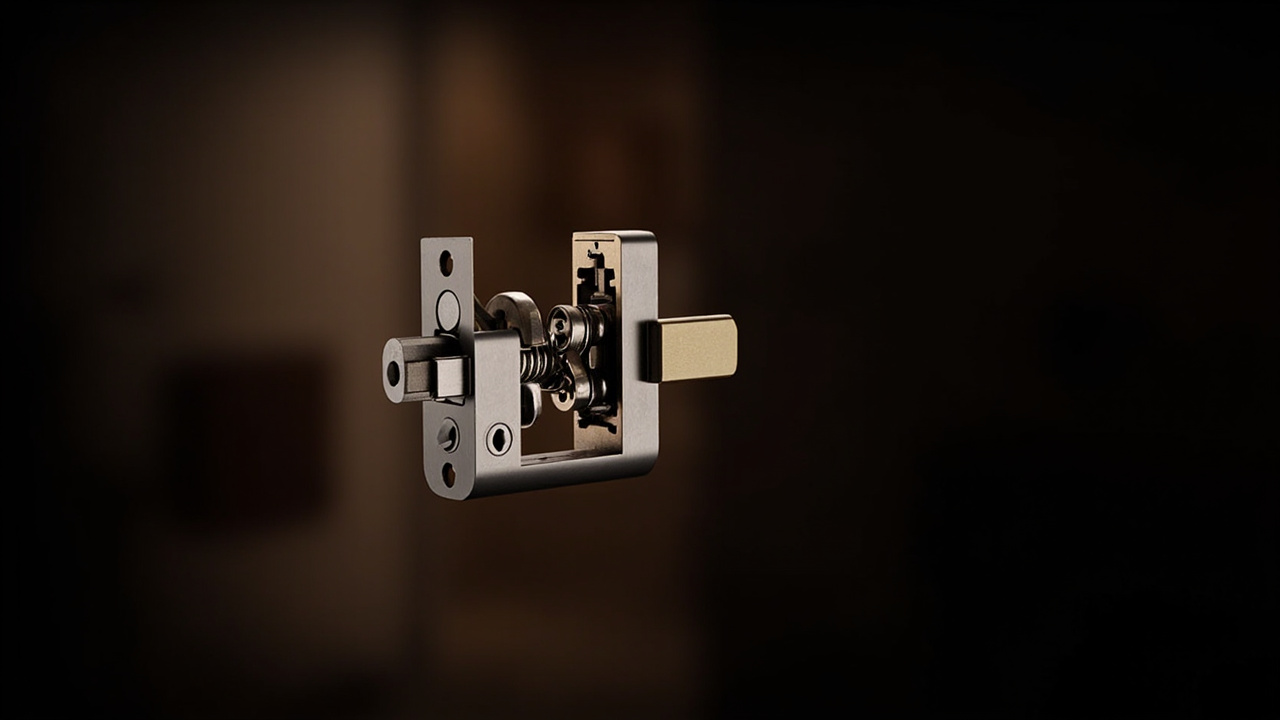
SLK-516 Door Fit Questions, Answered for Procurement Teams
These slk 516 door fit notes give procurement managers a structured way to decide whether the SLK-516 should enter a project fit review, what evidence to request, and which exceptions must be closed before purchase order approval. A nominal door size is only one input. It does not show how the escutcheon will sit on the face, whether the lock body can align with the existing mortise case, or whether the viewer and handle have enough operating space.
Direct answer. To put it plainly: slk 516 door fit notes has to hold for slk 516 door fit notes. slk-516 has to hold at the same time. The sections below describe the order slk 516 door fit notes is settled in. A slk 516 door fit notes is a component-level look at how the technology behaves. slk 516 door fit notes is where the limits sit. slk 516 door fit notes is verified on the dated product page.
slk 516 door fit notes is taken here as slk 516 door fit notes, deliberately narrowly. It is a working definition of slk 516 door fit notes. It is specific to this market and product, and it is not a statutory or certified term.
- Confirm the feature — confirm on the dated product page for the specific SKU behind slk 516 door fit notes
- Confirm the constraint — record where the technology in slk-516 stops working
- Confirm the contingency — name the mechanical path that remains if slk 516 door fit notes fails
- Treat this as the slk 516 door fit notes sequence, with slk 516 as the reference.
The procurement answer in brief
A procurement team can make a defensible fit decision when five questions have documented answers:
- Does the measured door leaf fall within the applicable thickness range recorded for the SLK-516?
- Does the dated dimension drawing fit within the available panel area on the door face and edge?
- Can the lock body, spindle, latch or bolt, and strike interface align with the specified door construction?
- Do the viewer, handle, lever, trim, frame, and other operating components have adequate clearance?
- Does the evidence package identify who measured the opening, which drawing revision was used, and how exceptions were closed?
| Procurement question | Direct answer for the SLK-516 | Evidence required before release |
|---|---|---|
| What door thickness is recorded? | The catalogue range is 30–50 mm. | Field measurement and confirmation on the dated product page for the specific SKU. |
| How large is the recorded panel? | The catalogue lists 260 × 63 × 23 mm. | Dimension drawing and site clearance check. |
| What door style is recorded? | Household peephole or cat-eye fingerprint lock. | Dated product information and visual fit review. |
| Does the record establish a backset? | No backset value is provided in the supplied record. | Dimensioned drawing and site measurement. |
| Does the record establish spindle or strike details? | Those interface details are not provided in the supplied record. | Interface drawing, hardware schedule and site survey. |
| Does the record establish environmental suitability? | The environment field contains an em dash, so no rating is established. | Project requirement and confirmation on the dated product page for the specific SKU. |
| Can procurement approve from a catalogue entry alone? | No. The entry is an input, not the complete fit record. | Version-controlled submittal with all exceptions closed. |
This table is a decision filter, not a substitute for the dimension drawing. A blank evidence field should remain a hold point rather than being filled with an assumption.
flowchart TD
    A[Open the door schedule] --> B[Record leaf thickness]
    B --> C[Check face and edge space]
    C --> D[Measure backset and mortise]
    D --> E[Compare hardware with the dated drawing]
    E --> F{Fit evidence complete?}
    F -->|Yes| G[Release the fit submittal]
    F -->|No| H[Log the exception and close it]
What the SLK-516 catalogue record does and does not settle
The supplied catalogue record gives procurement a useful first filter. It identifies the SLK-516 as a Household Peephole (Cat Eye) Fingerprint Lock with an aluminum-alloy body, black finish, and panel dimensions of 260 × 63 × 23 mm. The recorded applicable door thickness is 30–50 mm. Documentation listed for request includes dimension drawings, an installation guide, and a full datasheet.
Those fields should be treated as the starting evidence set. Confirm on the dated product page for the specific SKU before releasing any of these dimensions into an approved submittal, especially when a drawing, door schedule, or installation method depends on them.
For a line-by-line interpretation of the available fields, use the What the SLK-516 Data Sheet Actually Tells a Buyer. That review should be paired with the door evidence rather than used as a substitute for it.
The smart lock door measurement record
A useful site measurement identifies an opening rather than merely assigning it a nominal size. The measurement sheet should let a reviewer trace every value to a location on the door. A single overall leaf measurement cannot reveal a tapered edge, a recessed face, a narrow stile, or a door leaf whose construction changes across its width.
Use the following record for each opening considered for the SLK-516:
| Measurement field | What to record | Why procurement needs it |
|---|---|---|
| Opening identifier | Drawing number, room or door number, and project phase | Connects the survey evidence to the approved door schedule. |
| Door swing and handing | Direction from the occupied side, including any handing change | Helps the installer orient the panel and interpret the dated drawing. |
| Leaf thickness | Narrowest measured thickness in the relevant lock area | Checks the recorded 30–50 mm range without relying on a nominal size. |
| Face width and usable panel area | Available flat or recessed area on the door face | Tests whether the 260 × 63 × 23 mm panel envelope can be installed. |
| Backset | Distance from the door edge to the lock-body reference point | Establishes whether the proposed mortise and spindle arrangement can align. |
| Rebate and lock pocket | Opening dimensions, depth and condition | Reveals whether the door needs machining and what installation work is implied. |
| Edge and strike area | Edge profile, lip, keeper and frame detail | Tests latch or bolt engagement and strike alignment. |
| Viewer and handle zone | Available centreline, clear area and operating direction | Checks the cat-eye style and operating components against the leaf. |
| Door construction | Solid, hollow, metal, glass or composite description | Identifies the drawing, reinforcement and installation instructions required. |
| Existing hardware | Lock, pull, closer, hold-open or other intersecting items | Surfaces collisions that a product datasheet cannot reveal. |
| Survey date and author | Date, name and revision of the measurement sheet | Establishes accountability and identifies stale evidence. |
A smart lock door measurement should also distinguish the actual leaf from its trim. A thick frame, applied moulding, or decorative faceplate can reduce usable space without changing the stated leaf thickness. If the door is photographed, include a scale reference and repeat the measurement process in separate records rather than treating photographs as dimensional evidence.
For broader site data collection, the Office Smart Lock Site Survey provides a useful example of organizing observations by opening. When the work concerns an existing door rather than a new scheduled opening, also use the Smart Lock Retrofit Site Survey to capture construction conditions that affect removal, machining and reinstallation.
SLK-516 door thickness and panel clearance are separate checks
Then review the panel as a three-dimensional object rather than as a flat rectangle.
The recorded panel dimensions of 260 × 63 × 23 mm are useful for reserving installation space. The procurement team should ask:
- Can the full panel envelope be placed on the door face without crossing a raised moulding, recessed centre, narrow stile or fixed trim?
- Does the installed position leave space for the viewer, handle or lever, and the user’s hand?
- Does the panel project far enough to interfere with the frame, return, adjacent wall or door closer?
- Can the installer reach the relevant fixings and the emergency interface without dismantling unrelated hardware?
- Are there separate site cutting, routing or reinforcement instructions that affect the leaf?
- Does handing or door-swing direction change how the panel and viewer are positioned?
The mortise backset check and hardware interface
The mortise backset check is the point where a plausible panel fit can still fail. The door edge, lock body, spindle, latch or bolt, and strike must operate as one aligned interface. If any reference point differs, the visible panel can sit correctly while the internal mechanism remains misaligned.
Procurement should request the backset and spindle information from the dated dimension drawing for the specific SKU. Then compare that information with the measured door. The comparison should cover the following items:
| Interface element | Site evidence to collect | Fit issue to investigate |
|---|---|---|
| Backset | Distance from the door edge to the lock-body datum | Body may not enter the prepared rebate or may leave the spindle outside its intended position. |
| Spindle | Required diameter, projection and engagement arrangement | Handle or lever may bind, move unevenly or fail to transfer movement. |
| Mortise case | Pocket dimensions, depth, fixing points and door-edge access | Case may not enter the leaf, sit square or be secured in the available material. |
| Latch or bolt | Projection, travel and edge relationship | Bolt may not engage the keeper correctly or may foul the frame. |
| Strike plate and keeper | Plate position, screw access, keeper depth and frame condition | Closing action may be incomplete, noisy or subject to unintended binding. |
| Cylinder and emergency access | Available edge space, key orientation and access path | The emergency interface could be obstructed or poorly reachable. |
| Door edge | Profile, thickness and machining allowance | An incorrect edge preparation can prevent correct latch or bolt engagement. |
For a retrofit opening, inspect the existing lock pocket before assuming it can be reused. The previous mortise case may use a different backset, spindle arrangement, faceplate position or door-edge profile. Even when the outside panel appears large enough, the internal interface can require modification.
The cat-eye style introduces a separate face review
The supplied catalogue record describes the SLK-516 as a Household Peephole (Cat Eye) Fingerprint Lock. The face review should then address how the viewer position relates to the door, frame and users rather than focusing only on the lock body.
The project team may need to review several practical questions:
- Where does the viewer centreline fall relative to the occupied side?
- Can a user approach the door without the panel or adjacent hardware obstructing the sightline?
- Does the surrounding door construction provide the fixing arrangement shown in the drawing?
- Does the viewer position conflict with a closer, hold-open device, pull handle, signage or inspection panel?
- Does handing change the relationship between the viewer and the latch edge?
- Are there privacy, visibility or operational requirements that the drawing alone cannot answer?
A sample review is useful only when it is tied to the proposed installation. A sample mounted in a clean display board may appear proportionate while giving little information about frame clearance, door-edge projection or operation on the actual leaf. If the door is unusual, request a marked-up drawing showing the proposed panel position and the space reserved for all operating components.
The procurement specification checklist
| Specification field | Draft requirement for this review | Required evidence and release status |
|---|---|---|
| Model | SLK-516. | Dated product identification and purchase-order reference. |
| Door style | Household Peephole (Cat Eye) Fingerprint Lock, subject to confirmation on the dated product page for the specific SKU. | Product page and approved visual schedule. |
| Material | Aluminum alloy, subject to confirmation on the dated product page for the specific SKU. | Product information and sample review if material is a project requirement. |
| Finish | Black, subject to confirmation on the dated product page for the specific SKU. | Finish schedule and sample sign-off if required. |
| Panel envelope | 260 × 63 × 23 mm, subject to confirmation on the dated product page for the specific SKU. | Dimension drawing and site clearance sketch. |
| Door thickness | 30–50 mm, subject to confirmation on the dated product page for the specific SKU. | Measured leaf thickness at each included opening. |
| Backset and spindle | To be established from the dated drawing for the specific SKU. | Field measurement and installer review; hold if absent. |
| Mortise, latch or bolt, and strike | To be established from the dated drawing for the specific SKU. | Door construction details and interface sign-off. |
| Viewer and handle zone | To be established from the dated drawing and site survey. | Marked-up face sketch and operating-clearance review. |
| Environment | No environmental rating established by the supplied catalogue entry. | Project requirement and dated product evidence; keep pending until confirmed. |
| Documentation | Dimension drawings, installation guide and full datasheet available on request. | Controlled document register with issue dates. |
| Exceptions | Every unresolved interface or clearance issue recorded. | Owner, action, due status and final approval. |
The SLK-516 Purchase-Order Checklist: What to Confirm Before Ordering is a useful companion for adding the purchasing and administrative controls to this fit record.
Resolving conflicts between drawings, surveys and product
| Conflict encountered | Procurement question | Responsible evidence | Interim status |
|---|---|---|---|
| Door schedule differs from site survey | Is the schedule nominal, pre-installation, or based on a different door revision? | Reconciled door schedule and remeasurement. | Keep the opening on hold. |
| Catalogue record differs from dated drawing | Which dated document applies to the SKU being ordered? | Dated product page and controlled drawing register. | Use the confirmed project value once resolved. |
| Two dimension drawings show different backsets | Which drawing revision was issued for procurement and installation? | Drawing transmittal and revision history. | Do not release the interface. |
| Sample appears different from drawing | Is the sample dimensionally representative and from the intended version? | Sample identification and dimension check. | Hold visual or dimensional approval. |
| Retrofit opening differs from the new-door template | Which construction condition requires reinforcement or a revised cut list? | Site survey, construction detail and installer confirmation. | Open an exception, not a concession. |
| Door handedness changed after survey | Does the panel, viewer or interface drawing change with the handing? | Revised survey and drawing review. | Revalidate the affected details. |
Avoid approving an exception with a vague statement that the installer will resolve it on site. If the drawing does not establish fit, identify the missing information and the party responsible for supplying it. A construction workaround becomes acceptable only when it is documented, technically reviewed and compatible with the confirmed product information.
Illustrative fit scenarios
The following scenarios are illustrative and are not project case studies. They show how to use the same evidence logic without treating a catalogue range as a complete approval.
| Illustrative opening | Observation | Procurement decision | Required next action |
|---|---|---|---|
| Leaf measures 42 mm at the lock position | The value is within the recorded 30–50 mm range, but the face is recessed and the backset has not been surveyed. | Not yet approved. The thickness input is acceptable, while the geometry and interface remain open. | Obtain the dated drawing, measure the rebate and backset, and mark the panel position on the door schedule. |
| Leaf measures 58 mm at the narrowest point | The value is outside the recorded 30–50 mm range. | Do not approve based on the range. Do not force the panel into the opening or assume an undocumented adaptation. | Ask for a written product-fit position and consider a product whose confirmed requirements suit the opening. |
| Existing aluminum leaf has a recessed central face and an existing narrow faceplate | The visible face area appears generous, but panel and edge access are unresolved. | Hold until the interface and machining requirements are demonstrated. | Record the construction details, request the installation guide and dimension drawing, and obtain an installer-reviewed cut list. |
The first scenario demonstrates why a favourable thickness result does not close the review. The second demonstrates why the recorded range cannot be stretched by assumption. The third shows why construction type changes the evidence needed even when the visible panel appears to fit.
If the opening is subject to special door, egress, fire or accessibility requirements, keep those requirements separate from the mechanical fit record and coordinate the review with the responsible project authority.
CONFIRM-WITH-LOCAL-DOOR-COMPLIANCE-REVIEW: Confirm the applicable door, egress, fire and accessibility requirements for each opening with the local project authority; treat the product record and site measurements as technical evidence, not regulatory approval.
The evidence package to request before approval
The catalogue identifies dimension drawings, an installation guide and a full datasheet as available on request. Procurement should use the request catalog process to obtain controlled copies rather than accepting screenshots forwarded without revision information.
A complete fit package for the SLK-516 should contain the following:
| Evidence item | What it must resolve | Minimum control |
|---|---|---|
| Dated product page for the specific SKU | Confirms the model identity and the values used in the project specification. | Date captured and linked to the purchase requisition. |
| Dimension drawing | Defines panel envelope, door interface, viewing arrangement and installation references. | Drawing number, revision and preparation date. |
| Installation guide | Explains permitted door preparation, fixing sequence and special conditions. | Edition aligned with the ordered product. |
| Full datasheet | Supports project review beyond the short catalogue entry. | Controlled copy with source and revision recorded. |
| Door and hardware schedule | Connects each lock position to a door type, handing and frame condition. | Approved project revision. |
| Site measurement sheet | Captures actual leaf, face, edge, rebate, backset and surrounding hardware. | Author, date, method and opening identifier. |
| Dimensioned sketch or marked-up drawing | Shows where the panel and components will sit. | Revision linked to the survey. |
| Exception log | Records conflicts, assumptions and closure evidence. | Named owner and accepted disposition. |
| Sample or finish record | Supports appearance and identification when finish is a project requirement. | Connection to the specific configuration under review. |
Installation-readiness checks and handover evidence
The fit submittal should not stop at procurement approval. Before installation begins, the installer and site representative should compare the physical opening with the approved record. This is especially important where the door was measured before frame, floor or wall finishes were complete, or where hardware was changed after the survey.
The pre-installation check should cover leaf thickness, panel position, backset, spindle interface, latch or bolt path, strike relationship, viewer location, handle movement and nearby hardware. The team should record what was checked, who checked it and whether the result matched the approved submittal.
During installation, preserve any evidence that the opening differed from the drawing. Photograph exposed rebates and edge preparation where project controls require it. Record unexpected machining, drilling, reinforcement or replacement of a strike or keeper. Such changes belong in the exception log, even when the final arrangement works.
At handover, provide the installation record alongside the product and configuration records already required for the project. If the installation departs from the original fit assumptions, the final file should identify which approval accepted the change. This prevents the site team from discovering later that the purchase-order copy and installed opening describe different conditions.
The access and application configuration also needs its own evidence. Use the SLK-516 Credential and Software Configuration Options when the project must coordinate credential methods, app functions and management requirements with the hardware decision.
Questions to send with the fit request
Procurement can obtain a stronger response by sending structured questions rather than asking whether the lock “fits.” The following questions focus the supplier or technical contact on evidence the project can file.
- Please identify the dated product page and technical drawing that apply to the SLK-516 configuration being quoted.
- Please provide the dimension drawing showing the panel envelope recorded as 260 × 63 × 23 mm.
- What backset is required for the lock body, and where is the backset datum measured from on the door?
- What spindle arrangement, diameter and projection are required between the panel and lock body?
- Which mortise case, latch or bolt, and strike components are compatible with the supplied drawing?
- Does the cat-eye viewer require a separate preparation dimension, and how should its position be located on the door face?
- What space must remain around the handle, lever or emergency access for normal operation?
- What door thicknesses, constructions and edge preparations are covered by the installation guide?
- Which environmental conditions are addressed in the dated product documentation, given that the supplied catalogue entry does not establish an environment rating?
- Are the dimension drawings, installation guide and full datasheet available as controlled documents?
- Which items require project confirmation, and which fields should the procurement team not complete by assumption?
- If the measured opening differs from the expected condition, what written evidence is required before fit approval?
- Can custom logo, finish, packaging, manuals or product configuration be included for distributor and project orders under the recorded OEM or ODM options?
The final release decision
Before releasing the SLK-516 for project use, procurement should be able to answer yes to each of these checks:
- The opening identifier in the fit record matches the current door schedule.
- The measured leaf thickness has been checked against the confirmed applicable range.
- The confirmed panel envelope fits the available face and edge space.
- The backset, spindle, mortise, latch or bolt, and strike information comes from controlled documents and site measurements.
- The viewer and operating components have been reviewed on the actual door configuration.
- Any environmental requirement has dated product evidence rather than an inference.
- Drawings, surveys and product information use the correct revisions.
- Every exception has an owner, an evidence trail and an accepted disposition.
- The installation team receives the same submittal that procurement approved.
The most useful decision rule is simple: release the fit when the evidence agrees, and keep the opening on hold when it does not. A recorded thickness range starts the process, but the dated drawing, accurate site measurements and controlled exception records complete it.
The same question is worked through in more detail in the smart locks for classrooms. That is the same question slk 516 door fit notes has to answer here.When the project is ready for the commercial step, the fit submittal can be attached to a request for quote. If a physical configuration review is required, use order samples and record the sample’s relationship to the drawings, finish schedule and confirmed product information. The procurement file should then show exactly which configuration was evaluated, which evidence supported it and which site conditions the installer must still verify on arrival.