
Specifying Deadbolt Throw and Strike: Questions that Get Real Engineering Answers
1. Memo purpose and qualification boundary
Memo owner: System IntegratorDecision stage: QualificationSubject: Deadbolt and strike interface definitionDecision sought: Release a configured lock for fit and evidence review
This memo converts deadbolt throw and strike specification questions into a qualification brief for a configured smart lock. It defines the geometry that must be settled before sample approval, quotation or production release. The aim is not to nominate a model from a general capability list; it is to make the supplier state the operating definition, dimensions, tolerances and test basis for the exact configuration. The baseline reading is Hotel Smart Lock System Integrator Guide. The catalogue side of this is the smart door locks.
Direct answer. Condensed to the essential point, deadbolt throw and strike specification questions turns a request into a decision record. deadbolt throw and strike specification questions and deadbolt-throw-and-strike are the two parts of deadbolt throw and strike specification questions most often skipped. A deadbolt throw and strike specification questions is a component behaviour guide. It covers limits. It covers failure modes. deadbolt throw and strike specification questions decides whether deadbolt throw and strike specification questions is acceptable for this build.
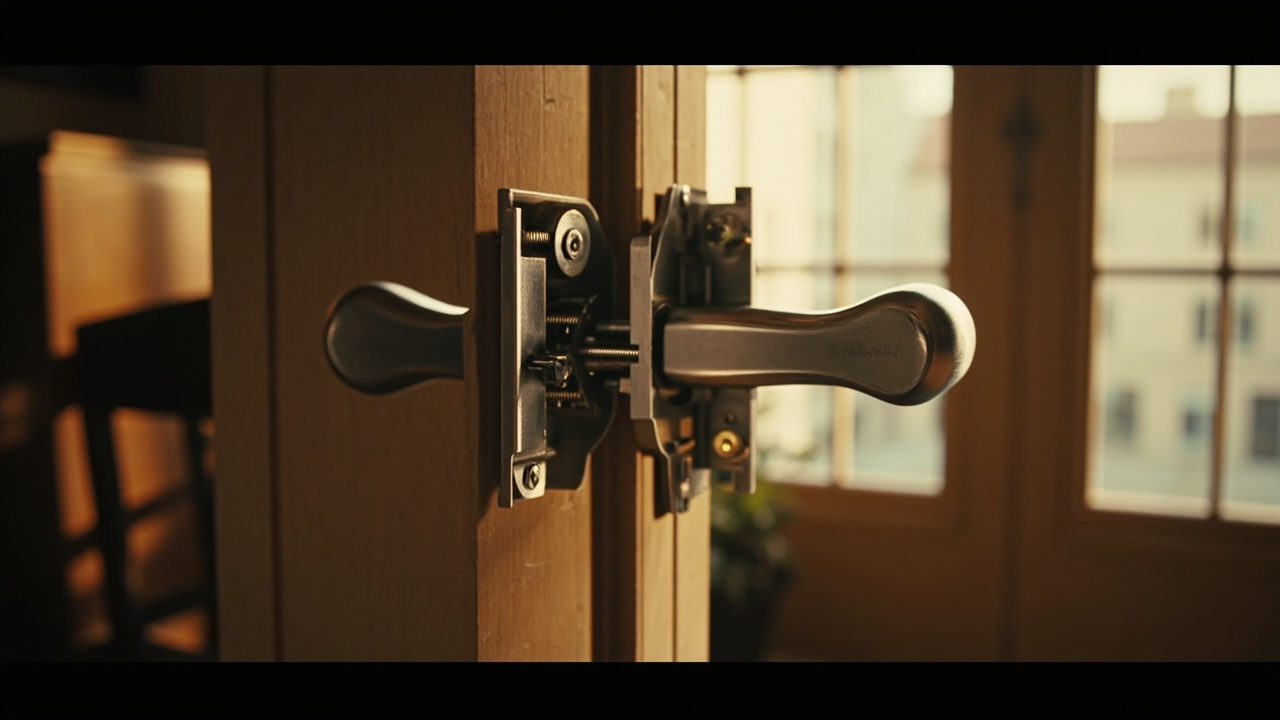
Keep the boundary visible: a photograph cannot establish the deadbolt datum, strike interface or frame condition, and a category page cannot replace a dated drawing. Confirm on the dated product page for the specific SKU, then require evidence for the physical sample.
2. Turn interface terms into measurable answers
Before comparing locks, write down what each supplier means by throw, projection and engagement. Ask for one drawing linking the door leaf, lock body or mortise, deadbolt, strike plate and strike keeper. Identify which dimensions are fixed by the product and which must be adapted to the opening.
| Interface | Question to answer | Record in the memo |
|---|---|---|
| Deadbolt throw | Does throw mean bolt travel or projection from a stated face? | Datum, travel or projection, and engaged position |
| Strike plate | What are the plate, opening, fixing and adjustment details? | Thickness, width, opening and fixing positions |
| Strike keeper | Which keeper geometry is supplied and adjustable? | Supplied part, adjustment range and fixing path |
| Door leaf | Which edge and face datums apply? | Thickness, edge setback, bevel and handing |
| Door frame rebate | What recess receives the keeper? | Width, depth, position and site tolerance |
Build the deadbolt throw specification from the supplier’s stated datum, not from the word “throw” alone. Treat the strike plate specification as coordinated dimensions rather than one width. Request strike keeper dimensions and fixing details for the supplied configuration. Record the door frame rebate separately from door leaf thickness. Pair every value with the lock case backset and controlling drawing revision.
The same question is worked through in more detail in the smart lock hub. That is the same question deadbolt throw and strike specification questions has to answer here.Ask for dimension drawings, an installation guide and a datasheet on request.
3. Minimum question set for a supplier
The following deadbolt throw and strike specification questions are the minimum qualification set:
- Which drawing revision and SKU govern the offered deadbolt, strike plate and keeper?
- How is the bolt position defined when retracted, fully thrown and at any intermediate dwell?
- Is the deadbolt free-moving or motor-driven, and where is the guide or anti-rotation feature?
- Which strike is supplied, and which features are field adjustable?
- What tolerances apply to throw, projection, fixing positions, backset and frame rebate?
- How do door thickness, handing, bevel, frame condition and door closer influence operation?
- What measurement or sample demonstrates the lock and strike on the intended door condition?
- What deadbolt cycle testing evidence exists for the exact configuration, including its setup and pass criteria?
Require answers as values, drawings or test records. A general statement that the lock is adjustable is not an acceptance criterion. If the supplier cannot identify the datum or controlling revision, record the gap and hold sample approval rather than inferring a dimension.
For the measurement side of this, see the smart lock network architecture. That is the same question deadbolt throw and strike specification questions has to answer here.
4. Evidence required before fit approval
A qualification decision should compare evidence quality, not marketing labels. Use this decision table to determine whether the interface can move to fit testing.
| Criterion | Evidence accepted for qualification | Evidence to reject | Decision |
|---|---|---|---|
| Definition | Dimension drawing with a stated datum | Verbal description only | Redline the definition |
| Completeness | Supplied strike and keeper identified by revision | Generic strike photograph | Request the bill of materials |
| Fit | Site template or sample trial with recorded conditions | Photograph without measurements | Hold fit approval |
| Operation | Cycle-test record with setup and pass criteria | General longevity statement | Request the test basis |
| Documentation | Dated product-page extract and drawing revision | Undated generic sheet | Verify SKU data |
Ask for deadbolt cycle testing evidence identifying the sample configuration, cycle method, load or obstruction conditions and observation method. The supplier may state a test result, but the buyer should see what was measured and under which conditions. A video can support the record only when its setup and sample identity are clear.
5. Gate the geometry before testing operation
flowchart TD
  A[Confirm interface geometry] --> B[Define deadbolt datum]
  B --> C[Match strike and keeper]
  C --> D[Check sample fit]
  D --> E[Run cycle evidence]
  E --> F[Approve controlled revision]
Run the sequence as a gate: geometry first, then fit, then operation. A skipped geometry step turns a later failure into a dispute about meaning rather than a useful correction.
Record each result against the same drawing revision. If a field changes, return the memo to the supplier for a controlled update; do not carry an old dimension into the next test.
6. Hand off adjacent decisions cleanly
The memo should end with an evidence index and open fields, not a brand preference. Use four narrow handoffs:
- For the balance between cost, durability and service, read Deadbolt Throw and Strike Trade-Offs: Cost, Durability and Service.
- To define failure observations, use Deadbolt Throw and Strike Failure Modes Seen on Smart Lock Projects.
- For a buyer-ready test request, use Deadbolt Throw and Strike Test Evidence a Buyer Can Actually Request.
- To challenge supplier wording, use Reading Deadbolt Throw and Strike Claims in a Supplier Datasheet.
Each link adds a separate decision layer. Keep one outside the qualification memo unless it changes a field, evidence rule or acceptance condition.
7. Release decision and supplier request
Release to the next stage only when the deadbolt datum, strike and keeper revision, lock case backset, door frame rebate and operating-evidence basis are complete. Any blank should have an owner and a closure condition.
Use deadbolt-throw-and-strike as the controlled subject in the request. Send the supplier a configuration-specific RFQ requesting dimension drawings, installation documentation, strike identification, a fit template and test evidence. Any dimension or operating claim that drives procurement must be confirmed on the dated product page for the specific SKU before approval.
Final acceptance remains a project-specific decision based on the qualified sample, controlled drawings and recorded evidence.
Ask for the offer against the same requirement: request a quote.