
Total Cost Thinking for Smart Locks in Hospitals and Ward Blocks
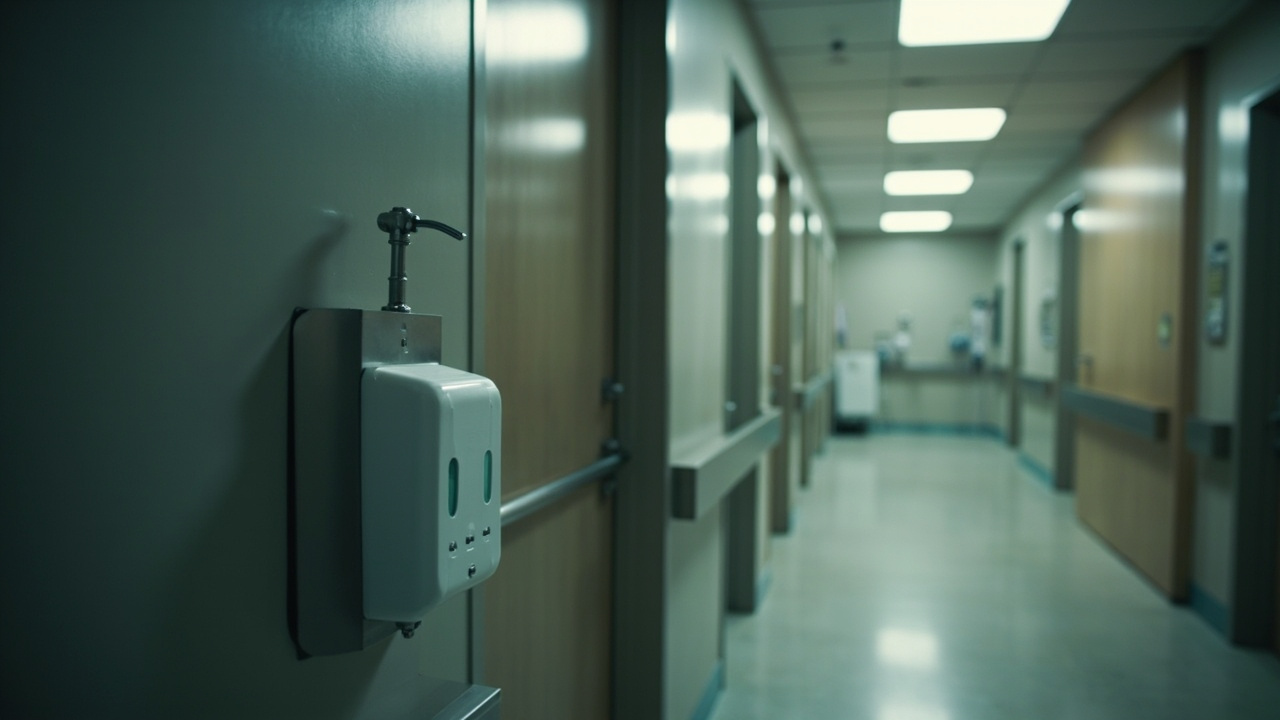
This is where hospitals total cost thinking starts: a message at 02:14. In this illustrative scenario, a property manager is told that a ward entrance will not release a staff badge. The ward is open, the night team is working, and nobody is looking for a quotation; they are trying to keep a handover moving. The lock is only the visible object. Around it sit a failed credential check, a possible manual entry, an engineer call, a replacement decision, an access review, and the question of whether the same fault can reach another door.
Direct answer. In short, hospitals total cost thinking is the subject of this piece. hospitals total cost thinking is where the work on hospitals total cost thinking sits. the decision record is what has to be evidenced before anyone signs. A hospitals total cost thinking is a building-level specification record. Door classes come in order. hospitals total cost thinking is the first one closed for hospitals total cost thinking.
Throughout, hospitals total cost thinking means what hospitals total cost thinking sets out. It is a working definition of hospitals total cost thinking drawn from the evidence below. It is valid for the specific market and product, not as a general claim.
- Separate the door families — sort the door population into classes that behave alike, starting from hospitals total cost thinking
- Map each to its grade — state what handover arrives needs before anything is quoted
- Test the fit — record the measurement that closes hospitals total cost thinking
- In hospitals total cost thinking, this sequence is what hospitals is checked against.
That is why hospital door access costs cannot be read from the hardware line. A smart lock total cost of ownership view starts with the operating promise for each door, then follows the people, evidence and fallbacks needed to keep that promise. The estate team must account for a failed opening, a visitor handover, a power intervention, an administration task, a door-preparation change and the work needed to correct a specification error. It must also separate what the hospital must accept from what a clearer door schedule could remove. The question is not which lock looks inexpensive; it is which costs the evaluation is knowingly choosing.
The handover arrives before the invoice
The property manager opens a cost ledger with three columns: the door class, the event and the response. They ask what had to happen before the door could be used, who attended, whether access was restored by the intended method and what evidence remains. The answers separate purchase cost from recurring work and from disruption caused by failure. A published treatment of the same step is Fingerprint Smart Locks for Commercial Property Owners. The commercial end of this decision is the smart door locks.
Rather than treating the message as an isolated incident, the manager asks whether the same cause appears elsewhere. Recurring patterns become planning assumptions; isolated events remain isolated events. This is the beginning of a lock lifecycle cost assessment: the record follows the lock from survey through handover, use, maintenance, fault and renewal.
flowchart TD
    A[Night handover] --> B[Lock fault recorded]
    B --> C[Property manager opens the cost ledger]
    C --> D[Direct cost]
    C --> E[Operating cost]
    C --> F[Disruption and risk]
    D --> G[Compare credible door options]
    E --> G
    F --> G
One hospital, several cost objects
The first control is to stop treating the hospital as one lock population. The cost object is a door with a particular function, access pattern and failure consequence. Before requesting a price, the team should define what the door must do, how people use it, what happens when a credential is lost and which route provides the fallback. The Smart Locks for Hospitals and Ward Blocks: Door Survey and Fit Reality helps establish fit and use before they become embedded in the estimate.
| Door class | Operating promise | Main cost drivers | Evidence for the estimate |
|---|---|---|---|
| Ward entrance | Controlled staff and visitor passage during continuous operation | Credential handling, power intervention and failed-entry response | Access rules, use pattern and fallback route |
| Treatment room | Staff access that follows the clinical workflow | Hardware fit, credential rights, handover and incident response | Door survey and local access policy |
| Pharmacy | Restricted access with an accountable operating process | Reader and lock selection, access administration and event review | Written requirement from the responsible clinical lead |
| Laundry | Service access without exposing a wider clinical zone | Credential management, physical arrangement and replacement | Zone map and maintenance schedule |
| Plant room | Service access separated from occupied areas | Installation conditions, service method and spares | Technical survey and maintainer procedure |
| Staff corridor | Zone control with an agreed emergency arrangement | Egress review, hardware schedule and commissioning | Evidence of the relevant authority decision |
Two ward blocks can share a corridor finish and still need different ledgers. Repeated doors may create a standard, but exceptions must remain visible. The key-control workflow and the door survey should be read together: a credential that nobody can revoke becomes an administrative burden, while a physical mismatch becomes a fitting and replacement burden.
CONFIRM-WITH-LOCAL-FIRE-AUTHORITY: Confirm with the local fire authority which hospital doors are on escape routes and which locking arrangements they will accept.
CONFIRM-WITH-LOCAL-BUILDING-AUTHORITY: Confirm with the local building authority which submissions and sign-offs apply to the proposed locking arrangement.
Four clocks in the cost model
A useful estimate gives every cost a time dimension. The property manager can organise the work around four clocks rather than a single purchase total.
The purchase clock. This covers the lock, reader, installation, door preparation, network or power interface, commissioning and integration work required by the selected architecture. It also includes surveying, scheduling and handover. For any shortlisted SKU, require the supplier to confirm on the dated product page for the specific SKU the physical fit, power source and interface dependencies that affect this line. Otherwise, an unknown simply travels into the ward.
The operating clock. This covers routine and predictable work: power or battery checks where relevant, credential joins and leavers, visitor management, cleaning, inspection, support and eventual replacement. The Battery and Power Programme for Smart Locks in Hospitals and Ward Blocks provides the right operational question: who changes the power source, how is continued access maintained during that work and what evidence is recorded? A planning allowance must not conceal an unresolved service method.
The incident clock. This measures the response to a failed opening: attendance, diagnosis, temporary access arrangements, review and replacement. It also captures the operational disruption to the ward, treatment area or support service. The same hardware can generate different incident costs at different doors because the consequences of delay are not interchangeable.
The portfolio clock. This follows the estate rather than one door. Standard hardware and repeatable procedures can reduce repeated survey, training and maintenance work, but one template can conceal exceptions. That is why ward block access control costs should be calculated by door class and then aggregated. The portfolio view shows which exceptions justify separate treatment and where a common specification would create recurring corrective work.
One pharmacy door changes the question
At 07:10 in the same illustrative scenario, the property manager reaches the pharmacy. The badge works, yet the lock decision is still not settled. The responsible local process must define who may enter, what happens when a credential is lost, how emergency entry is arranged and which events require review. A master credential held by the security office adds an administration question. The lock does not remove that responsibility; its operating model determines who performs it and when.
The estate can compare several credible approaches without pretending that each has the same cost profile:
| Estate option | Where the cost concentrates | Operational effect | Evidence needed to close the estimate |
|---|---|---|---|
| Full electronic access conversion | Capital, surveying, installation and coordination | Creates a common access approach across selected doors | Door schedule, access matrix and responsibility split |
| Zoned electronic conversion | Repeated interfaces, transitions and exceptions | Concentrates electronic control where the operating case is strongest | Zone rationale, exception register and maintenance ownership |
| Targeted conversion with mechanical doors retained | Two estates and handover coordination | Limits change to doors with the clearest case | Retained-door register, fallback plan and whole-life comparison |
The table turns the procurement cost model into a comparison of operating commitments. It also prevents an attractive capital figure from hiding repeated exceptions. The selected option should be the one whose evidence, service ownership and failure response remain credible after the opening team leaves.
The escape-route question belongs in the estimate
A property manager can make an expensive mistake by treating every hospital door as an ordinary secure door. During evaluation, an escape-route door may require a different locking arrangement, emergency movement procedure, hardware schedule or authority decision. If that question is discovered after procurement, the estate may face redesign, delay, rework and disposal work. The Emergency and Out-of-Hours Access for Hospitals and Ward Blocks helps separate the access scenario from the hardware decision.
CONFIRM-WITH-LOCAL-FIRE-AUTHORITY: Confirm with the local fire authority which hospital doors are on escape routes and which locking arrangements they will accept for the hospital.
CONFIRM-WITH-LOCAL-BUILDING-AUTHORITY: Confirm with the local building authority which approvals and sign-offs apply to the proposed locking arrangement.
CONFIRM-WITH-LOCAL-HEALTH-AND-SAFETY-ADVISER: Confirm with the local health-and-safety adviser which emergency-entry and maintenance arrangements fit the hospital’s operating risk.
Put the resulting evidence into the estimate as a separate work item. Record the door or doors affected, the physical arrangement, the approved access path, the commissioning responsibility and any unresolved design question. This is not paperwork to add after the commercial comparison. It determines whether the comparison is complete.
Privacy records and the approval decision
Access events can be useful operational evidence, but retaining records on every door creates permission, review and administration work. The useful question is which event is needed for which door class and who may use it. Keep the access rule beside the cost record: an unassigned review task first appears as staff time, then as a delay when someone cannot retrieve the required evidence.
It is worth pairing this with the smart lock oem price. That is the same question hospitals total cost thinking has to answer here.CONFIRM-WITH-LOCAL-DATA-PROTECTION-REVIEWER: Confirm with the local data-protection reviewer which access events the hospital needs to retain, who may view them, and how each door class is handled.
The estimate should include credential administration, integration work, permission management, event review and the procedure for changing or restricting access. It should also identify doors that need no additional record rather than applying one logging burden across the estate.
The approval paper should reproduce the decision
For a reviewer who was not in the room, hospitals total cost thinking becomes useful only when every assumption can be reproduced. The approval paper should contain:
- The door class and its operating promise.
- The selected option and the base alternative.
- Direct acquisition, preparation, installation and commissioning costs.
- Recurring service, administration and replacement work.
- Incident response, temporary access and disruption allowances.
- The evidence supporting each assumption and the owner of every unresolved item.
Each allowance should have a basis, an owner and a trigger for revision. A confirmed catalogue field can support the purchase estimate; a buyer planning assumption can support an allowance, but the two must remain visibly different. The review should expose where a small door difference changes the answer rather than smoothing every door into an average.
The same question is worked through in more detail in the smart lock odm price. That is the same question hospitals total cost thinking has to answer here.
What the next handover proves
A year later, the property manager opens the ledger without starting with the lock price. The record shows whether a failure required attendance, whether the intended fallback worked, whether the same cause appeared elsewhere and whether the access evidence supported review. It also shows where a scheduled task was performed correctly and where a recurring cost had not been allowed for. The evaluation has become a living record of the doors rather than a one-time procurement artefact.
The RFQ Template for Smart Locks for Hospitals and Ward Blocks can carry these door-level questions into supplier discussions. An estate team ready to test the method should prepare its door schedule, access rules and fallback routes, then request a quote with the cost questions attached rather than a feature list. The standard is simple: the selected arrangement must remain supportable at the door, in the ward block and through every handover.