
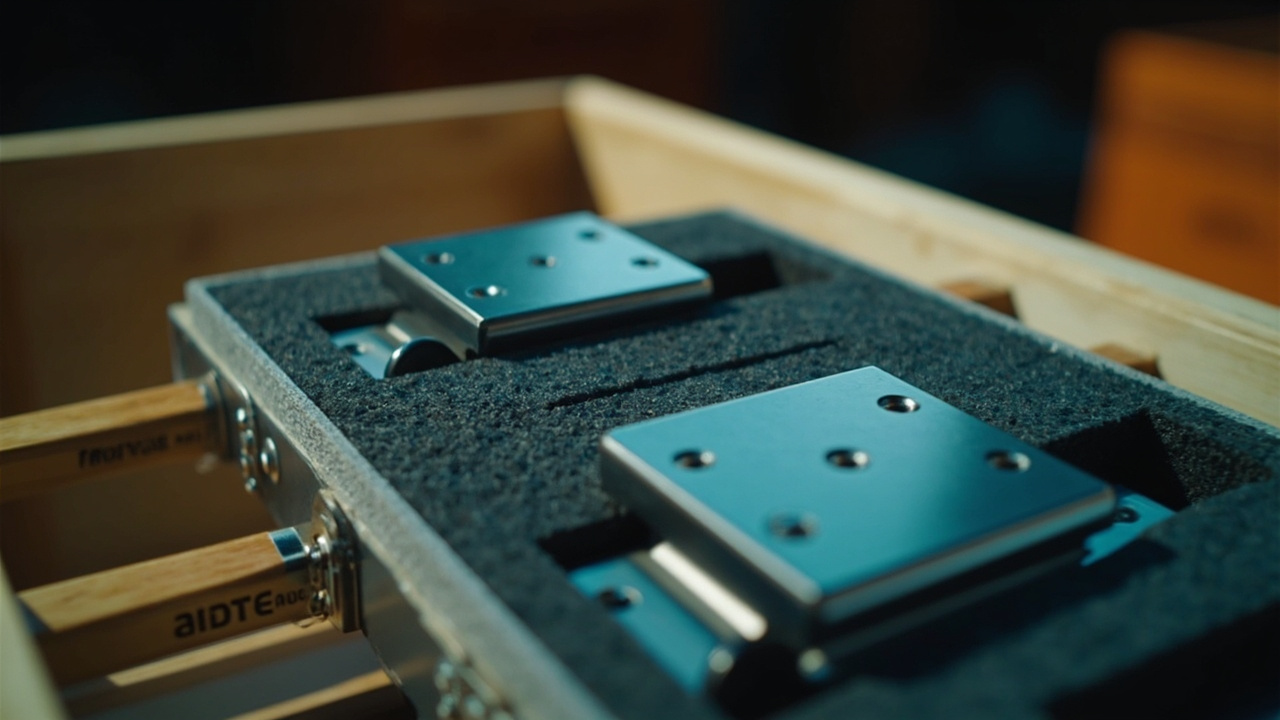
Insurance Questions Raised by Palletisation Dimensions
This comparison arena treats palletisation dimensions insurance questions as an evidence problem, not a single coverage question. A carton count can look complete while the record leaves unanswered whether packed size, weight, handling marks and load arrangement match the shipment assessed by an insurer, forwarder and importer. The task is to make the evidence positions visible, test them against one another and retain the version that travelled with the goods.
Direct answer. In short, palletisation dimensions insurance questions is the subject of this piece. palletisation dimensions insurance questions is where the work on palletisation dimensions insurance questions sits. palletisation-dimensions is what has to be evidenced before anyone signs. A palletisation dimensions insurance questions treats landed cost as quotable factors. The evidence for palletisation dimensions insurance questions comes first. Then two suppliers can be compared on palletisation dimensions insurance questions.
Throughout, palletisation dimensions insurance questions means what palletisation dimensions insurance questions sets out. It is a working definition of palletisation dimensions insurance questions drawn from the evidence below. It is valid for the specific market and product, not as a general claim.
- Enumerate the variables — separate the cost factors a supplier controls in palletisation dimensions insurance questions
- Request the build record — request the itemised numbers behind palletisation-dimensions, not a single figure
- Quantify the exposure — show what changes in round one if an assumption fails
- For palletisation dimensions insurance questions, palletisation dimensions is what each step has to answer to.
This article explains what to ask and which records to request. It is not legal advice; it is a structure to discuss with your counsel.
The distinction that decides the comparison
Packed dimensions describe handling; they do not establish damage, loss or cover. The importer needs to know whether the declared configuration matches the final shipment, the forwarder needs enough information to plan loading, and the insurance file needs a checkable version of the facts. A shared, versioned record is more useful than assurances built on different assumptions. For the checklist this decision feeds into, use What Questions Should You Ask a Smart Lock Manufacturer?. The commercial end of this decision is the smart door locks.
CONFIRM-WITH-LOCAL-LEGAL: Confirm how the applicable insurance and contract documents treat that evidence, and obtain jurisdiction-specific advice before relying on an allocation.
Round one: what the supplier declaration supports
Start with the supplier’s packing declaration. Ask for the dimensions and weight associated with the exact carton configuration, pallet footprint, loaded height, carton count, pallet count and packaging method actually ordered. Record whether each figure is measured, estimated or taken from a packaging specification. A tolerance and measurement method matter because two people can report different results without either record looking wrong. The declaration should identify the shipment version so an approved drawing cannot be mistaken for the finished load.
This evidence is strongest on what was prepared for packing, but it does not prove how the load was placed, secured or received. Ask who observed the final configuration, which document records it and what event triggers a corrected version.
CONFIRM-PER-SUPPLIER: Confirm which measurement fields and observation evidence are available for the final packed configuration.
Round two: what the forwarder record adds
Next, test the forwarder’s loading and handling evidence. Ask whether the forwarder reconciled the supplier’s packaging data with the proposed loading arrangement, handling equipment and handling instructions. Which dimensions informed the plan? Does it assume stacking? What securing method is planned? Would a route or storage constraint change the handling instruction? These are requests for evidence, not assumptions about transit.
A forwarder can expose a mismatch the supplier cannot see, but the plan depends on receiving correct data. It complements the supplier record; it does not replace it. Use the Palletisation Dimensions: Who Owns the Risk at Each Step to assign work, then ask each party to acknowledge the version used.
Round three: the importer’s controlling file
The importer’s position joins the other two. Its job is to record shipment insurance requirements, freight and insurance allocation instructions, unanswered insurer questions and the evidence accepted for release. This is where importer risk records earn their value: a later reviewer can see which measurement governed the decision, who confirmed it and what changed. Keep the supplier declaration, forwarder reconciliation and approved amendment in one shipment-specific index.
Do not assume that an acknowledgement by a broker, forwarder or consultant decides what an insurer covers; ask for the evidence required by the actual placement party. Retain declared and observed values. If they differ, record who found the difference, how it was resolved and whether the insurance file was updated.
CONFIRM-WITH-LOCAL-LEGAL: Confirm whether broker, forwarder, consultant and insurer acknowledgements have different contractual effects in the relevant jurisdiction.
Head-to-head decision comparison
Compare each source by the decision it can support, not by the confidence of its voice.
| Decision point | Supplier evidence | Forwarder evidence | Importer evidence | Buyer test |
|---|---|---|---|---|
| Packed dimensions | Final packing declaration | Loading-plan inputs | Accepted file version | Measured value and method |
| Actual load | Assembly and packing evidence | Handling plan | Observation or discrepancy log | Match final shipment |
| Handling method | Packaging instructions | Proposed equipment and securing | Approval record | Evidence tied to route |
| Change control | Versioned packaging issue | Revised load plan | Amendment trail | Update before release |
| Evidence control | Shipment index | Acknowledgement | Master index | One retrievable version |
| Claim file | Packing data | Dispatch and loading records | Notice and evidence pack | Package tied to actual shipment |
No source wins by default. The supplier record is strongest on what was packed, the forwarder record on how movement was planned, and the importer file on what the organisation accepted. A decision improves only when those views reconcile. Use the Palletisation Dimensions Checklist for Smart Lock Buyers as the approval gate, then retain the answers and source records with the order.
Scenario matchup: which evidence must lead
The winning source changes with the packaging decision being made.
Illustrative scenario: a master-carton pallet. Compare the declared carton stack, pallet footprint and loaded height with the forwarder’s loading plan. The useful match is a reconciled record, not an image that hides labels. Ask whether the measured configuration was the one approved, whether the plan permits its stacking and who approved any change.
Illustrative scenario: unit cartons consolidated for transport. Carton count does not identify the resulting load. The decisive evidence links unit-carton dimensions to the consolidated configuration. Ask which outer dimensions and weight were recorded, who observed them and whether the same values reached the forwarder and insurance placement. The issue is traceability, not a predetermined view of safety.
Illustrative scenario: the pallet footprint changes. The comparison shifts to change control. Ask which dimension triggered the revision, which downstream documents were reissued and whether the placement party received the new data before release. A revised packing instruction without a revised evidence trail leaves the original record obsolete.
| Packaging scenario | Best initial evidence | Insurance question | Approval hold |
|---|---|---|---|
| Master-carton pallet | Reconciled packing and loading records | Was the approved measured load used? | Matching versions |
| Consolidated unit cartons | Link between carton and outer-load data | Do both records describe the same load? | Traceability |
| Changed footprint | Controlled revision and reissue trail | Did every downstream file receive the change? | Update before release |
Questions that expose missing information
Put these questions into the RFQ and the insurance file rather than treating a completed carton-count field as sufficient:
- Is each dimension and weight measured, estimated or taken from a specification, and what method and tolerance apply?
- Which values describe the carton, pallet footprint and overall loaded height?
- Does the declared weight and loaded configuration cover the actual shipment composition?
- Is stacking permitted under the proposed handling instruction, and where is it recorded?
- Which shipment version contains the declaration, and who confirms it matches the order?
- What change triggers a revised record, and who releases it?
- Which physical evidence was observed, by whom, and what must appear in insurance documentation before release?
Building the shipment evidence file
The insurance documentation should work as a timeline rather than a folder of unrelated attachments. The Documents Required Because of Palletisation Dimensions organises source documents; this comparison adds the use test. For each record, retain the shipment identifier, source party, measurement method, approval status and version. Add loading and receipt evidence where available, plus records of discrepancies and their resolution. The objective is cargo claims evidence that can be read without reconstructing which carton count or packed dimension applied.
Keep physical-condition evidence separate from responsibility evidence. Measurements and receipt notes may describe what arrived or how it was handled; contractual documents address another question. Do not label either record as proof of liability. Preserve originals, identify derived notes and retain the link between a packing record and the actual shipment.
CONFIRM-WITH-LOCAL-LEGAL: Confirm the evidentiary treatment and contractual relevance of measurements, photographs, receipt records and correspondence in the applicable jurisdiction.
The release-control workflow
Use a short gate before release rather than reconstructing the file after a concern appears.
flowchart TD
    A[Approved order and packing plan] --> B[Supplier final measurement record]
    B --> C[Forwarder loading reconciliation]
    C --> D{Records agree}
    D -->|Yes| E[Importer approves evidence file]
    D -->|No| F[Resolve discrepancy and reissue record]
    F --> B
    E --> G[Shipment release and evidence retention]
Every incomplete answer returns to the source that owns the missing fact. The workflow does not decide coverage or legal responsibility; it prevents an unresolved physical-data gap from being mistaken for a settled one.
CONFIRM-WITH-LOCAL-LEGAL: Confirm which approvals are required for shipment release and how they interact with the selected insurance and contract terms.
The Incoterm boundary
Palletisation evidence and the trade term answer different questions. An Incoterm without a named place decides nothing, and the Incoterms 2020 rules govern only where the named place sits in the contract. Ask which party bears the cost of packaging, loading and carriage under the chosen place and rule, and keep that separate from evidence that the packed configuration matches the insurance file. The Palletisation Dimensions and Incoterms: How They Interact provides matching questions for both records.
CONFIRM-WITH-LOCAL-LEGAL: Confirm the named place, the operative rule and the resulting allocation for the specific transaction before treating either record as contractually decisive.
Warning signs that the file has drifted
A gap can be missing, stale, conflicting or unverified. Missing data means the file has a carton count but not enough dimensions to identify the load. Stale data means an earlier packing record survives after a change. Conflicting data means the supplier and forwarder used different versions. Unverified data means nobody can say who measured the final values.
For each condition, ask the owner to name the source, issue a controlled replacement and identify who accepts it. Hold release until the correction appears in the shipment index. This does not predict a claim outcome or establish that cover is absent; it records which facts were known at ordering and release.
For the measurement side of this, see smart lock system integrator procurement. That is the same question palletisation dimensions insurance questions has to answer here.CONFIRM-WITH-LOCAL-LEGAL: Confirm the notice, correction and acceptance steps that apply when shipment records conflict.
The importer’s approval test
Before approving the order, require compact answers: Which configuration is covered by the requested insurance terms? Where do its dimensions come from? Who confirmed the final load? Which party received those values? What changes the evidence again? Each answer should point to a named document rather than an email assurance detached from the shipment. The order should identify the packing record used for the quotation, and changes should enter the same amendment trail.
A useful companion on the same decision is smart lock engineering procurement checklist. That is the same question palletisation dimensions insurance questions has to answer here.The supplier declaration supports the packed configuration. The forwarder plan supports the proposed handling arrangement. The importer’s reconciled file connects both to the shipment. Treat that file as the control point, not as a substitute for insurance terms or legal advice.
CONFIRM-WITH-LOCAL-LEGAL: Confirm that the approval trail records the evidence needed for the selected insurance and contractual arrangements.
The buyer instruction that remains
Write the insurance questions, loading instructions and release evidence into the order file. If a dimension, weight or handling instruction remains blank, leave the gap visible and assign its source before release. Terms and shipment assumptions should be resolved through a written quotation, not inferred from this comparison. A disciplined answer to palletisation dimensions insurance questions is not a longer promise; it is a versioned chain that each party can examine against the same shipment.