
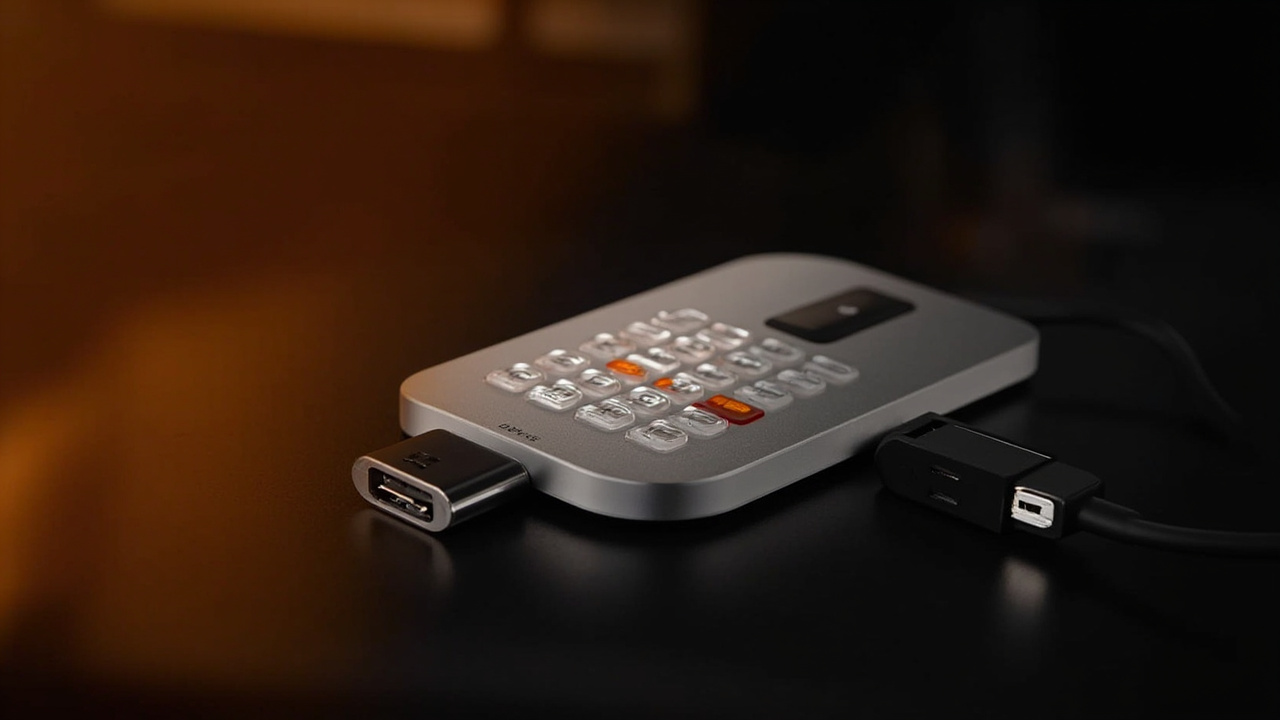
Display, LED and Audio Feedback in High-Traffic and Harsh Environments
| Memo field | Entry |
|---|---|
| To | System Integrator qualification team |
| From | Technical qualification review |
| Subject | Feedback-channel approval for a target smart-lock configuration |
| Decision | Accept, condition or reject the proposed feedback package |
The decision is whether the target configuration can keep grant, denial, processing and service feedback distinguishable at a busy entrance. The scope is display led and audio feedback harsh environments: can the visible and audible cues remain useful under the site’s light, noise, weather, cleaning and power conditions? This smart lock feedback qualification record applies to high-traffic smart locks and outdoor access control hardware, while keeping every acceptance threshold tied to the exact SKU.
Direct answer. The one-line answer — display led and audio feedback harsh environments is the working record for display led and audio feedback harsh environments. display led and audio feedback harsh environments is worthless until display-led-and-audio-feedback is attached to it as evidence. A display led and audio feedback harsh environments treats one component on its own terms. display led and audio feedback harsh environments names the tests that close it. display led and audio feedback harsh environments is not accepted on a headline figure.
display led and audio feedback harsh environments means here what display led and audio feedback harsh environments sets out. It is a working definition of display led and audio feedback harsh environments for this market and product. It is drawn from the evidence below, and it is not a general marketing phrase.
The first-party catalogue contains 79 published models, including 10 in the Outdoor category. Canonical fields include weatherproof housing, operating temperature / humidity, low-battery alert and external power override via USB terminal. These fields frame questions; they do not establish that every model has each feature. Confirm on the dated product page for the specific SKU, and request separate evidence for display, LED and audio behavior.
Translate operating states into testable cues
Start with the personnel states that must remain distinguishable, then assign a required cue to each state. “LED” and “audio” are not sufficient requirements by themselves. LED indicator visibility and audio lock feedback need agreed meanings, test conditions and retention criteria. Where the two versions part company is set out in Maintenance Implications of Display, LED and Audio Feedback Choices. Every commercial claim here has to be checked against the smart door locks.
| Operating state | Required distinction | Evidence to retain |
|---|---|---|
| Access granted | Door release from denial or processing | Cue, location and timing |
| Access denied | Reason for non-release, where disclosed | Cue and repeatability |
| Processing or wait | Incomplete versus completed action | Cue sequence and duration |
| Low battery | Routine warning versus service condition | Visible and audible outputs |
| Fault or service | Unplanned condition versus normal denial | Cue mapping and event record |
Separate harshness into independent exposures
For display led and audio feedback harsh environments, treat harshness as several conditions rather than one label. A sheltered door may face heavy traffic, while a quiet entrance may face weather and repeated cleaning.
| Exposure | Qualification question | Evidence to request |
|---|---|---|
| Traffic and queues | Can users identify feedback without confusing repeated prompts? | Observation under representative traffic |
| Ambient light and glare | Is the display or indicator visible from normal approach positions? | Measured visibility under stated conditions |
| Background noise | Is each audible cue distinguishable at the operating position? | Recorded prompts and site-noise trials |
| Temperature, humidity and weather | Does the proposed enclosure preserve feedback behavior? | Configuration-specific environmental evidence |
| Cleaning and handling | Can cues be located and interpreted after routine service? | Cleaning and repeatability instructions |
| Power changes | Are low-battery and service states distinct from ordinary denial? | Approved low-power test record |
Compare feedback channels by consequence
Select channels according to the consequence of misinterpretation. A combined package offers more ways to convey feedback, but it also creates more states to document, power and maintain. Qualification should reward clear distinctions rather than the largest number of outputs.
| Configuration option | Principal use | Main qualification risk | Minimum evidence |
|---|---|---|---|
| Display only | Detailed or temporary status | Viewing angle, glare and timeout | Visibility record and state map |
| LED only | Compact status indication | Color or pattern confusion | Color, luminance and timing data |
| Audio only | Hands-busy or low-light operation | Noise masking and alert fatigue | Prompt recording and noise trial |
| Display, LED and audio combined | Redundant indication of critical states | Configuration complexity | Consolidated state and revision record |
Require traceable evidence for one configuration
Request one evidence packet for the exact finish, panel and control configuration:
- The dated product page for the specific SKU, with unavailable fields shown as unavailable.
- A state-to-cue map for grant, denial, processing, low battery and fault.
- Measured visibility data for every display and LED state, including ambient light and viewing position.
- Recorded audio feedback for every prompt, including background noise and repeatability.
- Environmental and endurance evidence tied to the proposed enclosure and power arrangement.
- Revision traceability from sample through quotation to production.
Do not accept a generic catalogue or another model as a substitute.
Any local environmental, accessibility, radio or electrical requirement is a per-product and per-jurisdiction question; verify the scope, which authority signs off and which evidence applies.
CONFIRM-WITH-LOCAL-REGULATORY: Verify the applicable jurisdiction, installation site, authority sign-off, and dated evidence for the specific SKU and proposed configuration.
Run a staged site-representative pilot
Begin with a desk review of the evidence packet, then test the physical sample at the intended entrance. Record the site baseline and peak condition before testing so that a generic threshold is not invented afterward. Keep the display, LED and audio settings visible in every test record.
The same question is worked through in more detail in smart lock free rotation handle. That is the same question display led and audio feedback harsh environments has to answer here.
flowchart TD
    A[Define operating states] --> B[Map site exposures]
    B --> C[Compare feedback channels]
    C --> D[Run site pilot]
    D --> E{Evidence complete?}
    E -->|Yes| F[Approve configuration]
    E -->|No| G[Revise or exclude]
| Test | Setup | Record |
|---|---|---|
| Display and LED | Normal and difficult lighting; realistic approach position | Cue visibility, glare and interpretation |
| Audio | Representative background noise and repeated use | Prompt audibility and confusion |
| State mapping | Queue traffic and an approved low-power condition | Recognition and wrong interpretations |
| Traceability | Sample, installed unit and configuration record | Revisions, settings and exceptions |
Release only a qualified configuration
Approve a configuration conditionally when the evidence packet and pilot record are complete, the state meanings agree, and no critical cue depends on an unqualified assumption. Use these related resources before issuing the final purchase request:
- Display, LED and Audio Feedback Trade-Offs: Cost, Durability and Service
- Display, LED and Audio Feedback Failure Modes Seen on Smart Lock Projects
- Display, LED and Audio Feedback Test Evidence a Buyer Can Actually Request
- Display, LED and Audio Feedback and Door Compatibility: The Fit Envelope
Use the Office Smart Lock Site Survey and Smart Lock Retrofit Site Survey to capture the door and entrance context. After approval, the Request a Quote package should cite the exact SKU, feedback states, evidence packet and configuration, while Order Samples supports the physical verification step.