
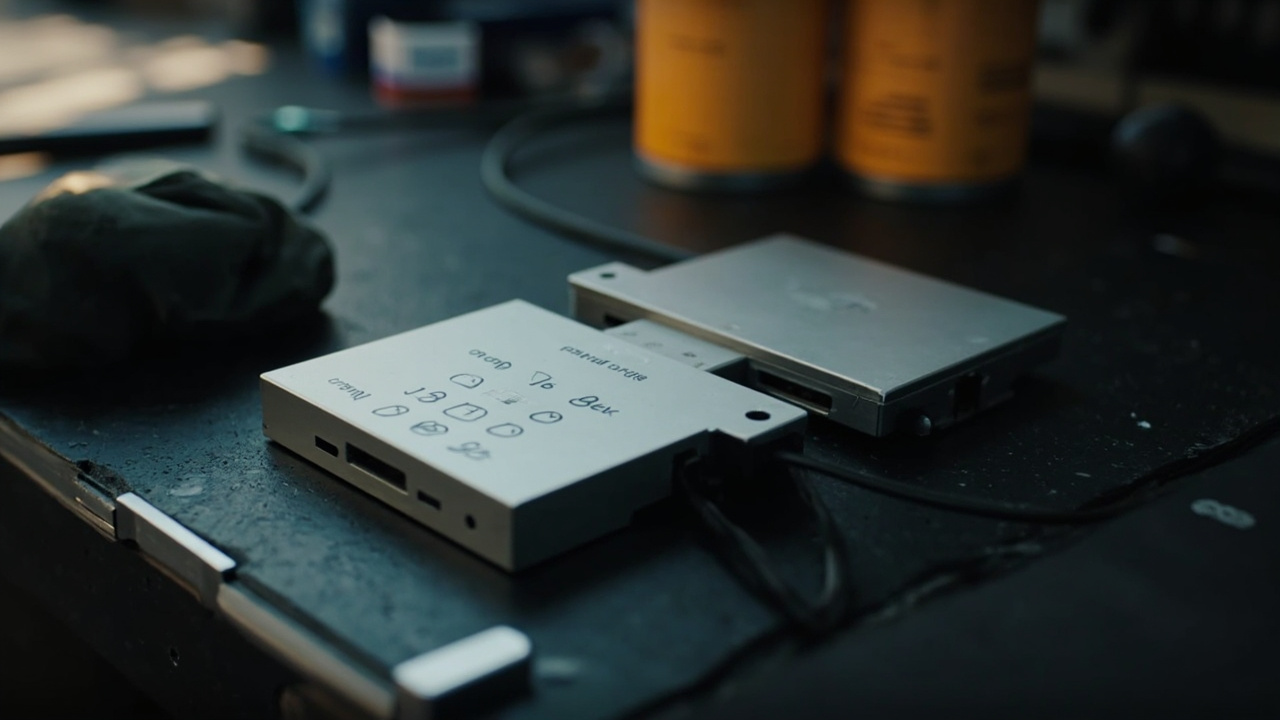
How the Euro-Profile Cylinder Drives Smart Lock Reliability
The euro profile cylinder reliability link is easiest to see when the lock is treated as a causal chain rather than a parts list. For a system integrator qualifying a retrofit, the cylinder is the interface between a person’s key or emergency action and the lock case that must move a latch or bolt. Geometry, fit, fixing and mechanical interaction at that interface can therefore affect whether the complete smart lock behaves predictably.
Direct answer. The one-line answer — euro profile cylinder reliability link is the working record for euro profile cylinder reliability link. euro profile cylinder reliability link is worthless until euro-profile-cylinder is attached to it as evidence. a euro profile cylinder reliability link treats one component on its own terms. euro profile cylinder reliability link names the tests that close it. euro profile cylinder reliability link is not accepted on a headline figure.
Throughout, euro profile cylinder reliability link means what euro profile cylinder reliability link sets out. It is a working definition of euro profile cylinder reliability link drawn from the evidence below. It is valid for the specific market and product, not as a general claim.
This teardown does not assume every smart lock has the same internal cylinder arrangement. It separates the Euro-Profile cylinder interface into functions that can be inspected, then asks what evidence is needed before a cylinder and lock case are approved as a pair. The focus is qualification: catching a mismatch before it becomes a field failure.
The reliability chain starts at the credential-to-motion boundary
The euro profile cylinder reliability link runs through the mechanical override path, but it is not a property of the cylinder in isolation. A cylinder transfers a controlled input into the lock mechanism. In a smart lock, the electronic release may actuate a motor and gearbox without using the cylinder, so cylinder performance cannot explain every failed unlock. It can still affect manual override, key operation and the mechanical load entering the lock case.
Follow the mechanical override path from key to output and mark each interface. Where a cylinder is fitted, ask whether its position is sensed, whether it blocks or releases the mechanism, and whether its cam or tailpiece is part of the drive train. These answers define which symptoms the cylinder can plausibly influence.
Teardown boundary: separate interfaces before judging outcomes
The boundary below is functional, not a universal internal construction sequence. The cylinder may not contain an electronic sensor, and not every smart lock uses the same drive arrangement. Inspect the interfaces that join the cylinder to the door and lock case, while keeping adjacent electronics visible as comparison points.
| Interface | What to inspect | Reliability effect | Qualification record |
|---|---|---|---|
| Cylinder body and keyway | Projection, key engagement and clean rotation | Feeds input into the core; poor fit can limit operation | Drawing and physical sample |
| Rotating plug or core | Usable travel, binding and key withdrawal | Converts input into torque | Before-and-after operating note |
| Cam, tailpiece or drive connection | Orientation, engagement and retained connection | Transfers movement to the lock case | Supplier drawing and installed view |
| Collar or rose | Seating, rotation and door-face contact | Supports alignment and the load path | Mock-up and fixing record |
| Spindle and handle interface | Clearance and coupling without side load | Protects linked movement | Installation observation |
| Lock case and mortise | Pocket, fixing and fastener access | Receives cylinder movement | Case drawing and site measurement |
| Latch or deadbolt | Free travel and full retraction | Proves output, not only input | Functional check record |
| Motor, gearbox and control PCB | Command sequence and any position feedback | Separates mechanical from electronic causes | Supplier interface statement |
The teardown is complete only when the key, cylinder, collar, connection, case and output can be traced without guesses. In the component record, tag the part as euro-profile-cylinder and attach the drawing revision, sample identifier and observed door condition to the same evidence set. This prevents a generic cylinder record from masking a door-specific mismatch.
The reliability chain can be read as a simple propagation path:
flowchart LR
    A["Access request"] --> B["Cylinder interface"]
    B --> C["Lock case and cam"]
    C --> D["Latch or deadbolt"]
    E["Mechanical override"] --> B
    B --> F["Observed lock behavior"]
Movement can fail at the input, transfer or output, and an electronic command can add a different load condition. The diagram is not a diagnosis; it tells the tester where to look next and prevents a motor symptom from being assigned to the cylinder without evidence.
First-party anchor: one verified SKU, not a universal rule
The supplied first-party record provides a narrow, useful anchor. The SLK-9936S hotel lock is recorded with a 5-pin cylinder and mechanical emergency access. That supports treating the cylinder as a real part of the access architecture, but it does not establish universal fit, interchangeability or a universal test rating. Confirm on the dated product page for the specific SKU whenever the fact drives procurement.
At catalogue level, mechanical override keys are recorded for 63 of 79 published models. This is composition data, not evidence that every model uses Euro-Profile geometry.
Failure propagation: symptoms that look alike
A field symptom is not a component diagnosis. Use these working hypotheses:
- Electronic release succeeds, but the key or emergency override binds. Inspect key engagement, core movement and cam transfer before replacing the complete lock.
- The cylinder turns, but the latch or deadbolt does not complete its travel. Check the drive connection, case and output alignment separately.
- Powered movement feels restricted while manual movement seems easier. Compare sequence, return, backlash and the force required at the handle; do not infer a cylinder fault from one observation.
- The keyway or rotating core feels loose. Check collar seating, fixing and door-face movement rather than only the visible cylinder.
- A bench sample works, but a door does not. Bring the door leaf, rebate, backset, case and closer arrangement into the test boundary.
These are hypotheses, not verdicts. For a deeper symptom catalogue, use The Euro-Profile Cylinder Failure Modes Seen on Smart Lock Projects.
Qualification sequence: build evidence around the interface
A repeatable smart lock cylinder qualification uses six actions:
- Define the pair. Record the exact lock case, door condition and intended cylinder role. Include key override, emergency access or position feedback only where fitted.
- Review controlled documents. Obtain a dimensioned drawing, connection details and the dated product-page record for the named SKU. Compare drawing revisions with the physical sample.
- Build the fit mock-up. Use a representative door leaf, frame rebate, backset and case where practical. Agree the acceptance conditions before testing so “fits” does not mean different things to the supplier and integrator.
- Isolate the mechanical path. Operate the key or override without electronic assistance, then inspect transfer at the cam or tailpiece, spindle and latch or deadbolt. Record binding, free travel and any forced operation.
- Cross-check commanded and manual modes. Where both modes exist, run them separately and together under the agreed operating conditions. Capture whether the behavior belongs to the credential, the cylinder interface or the adjacent motor and gearbox.
- Preserve the evidence. Keep photographs, sample identifiers, drawing revisions, notes and the door condition together under one record.
This reliability test evidence package makes a release decision auditable and keeps later troubleshooting from rewriting the original conditions.
Evidence decision: what each source can and cannot prove
The right question is not which document is most impressive, but which claim each source can support.
| Evidence item | It can establish | It cannot replace | Use in the decision |
|---|---|---|---|
| Physical interface sample | Shape, key engagement and the fit of the object in hand | Installed performance across a door population | Pre-approval mock-up |
| Controlled dimensioned drawing | Intended geometry, connection and revision | Actual condition of a delivered sample | Supplier document review |
| Dated product-page record | Published configuration for the named SKU | Another SKU, revision or site condition | Procurement record |
| Site measurement and mock-up | Interaction with one documented door and hardware set | Future sites or uncontrolled retrofit variation | Site release |
No single row is sufficient. A sample proves the object in hand; a drawing describes intent; the dated page identifies the published SKU; a site mock-up establishes one door condition. Use The Euro-Profile Cylinder Test Evidence a Buyer Can Actually Request for the request format, and The Euro-Profile Cylinder Trade-Offs: Cost, Durability and Service to balance service and procurement considerations after the interface is known.
Site release: a retrofit changes the reliability case
A retrofit site survey should record door-leaf thickness, frame rebate, backset, lock-case pocket, faceplate relationship, cylinder projection, collar seating, spindle clearance, key-access space and the position of any door closer or hold-open device. A survey that omits the lock-case interface may document the door while missing the component that changes the fit.
Use the Smart Lock Retrofit Site Survey and Office Smart Lock Site Survey as evidence frameworks, then compare the cylinder and lock case compatibility requirement with The Euro-Profile Cylinder and Door Compatibility: The Fit Envelope. The fit envelope should become a release condition, not a note for the installer to rediscover on site.
CONFIRM-WITH-LOCAL-ACCESS-AND-EGRESS-REVIEW: Treat local access-control, fire-door and emergency-egress requirements as project-specific questions; obtain the applicable scope from the relevant local authority before approving a cylinder, lock case or escape arrangement.
Supplier response package: request evidence, not adjectives
A qualification request should make the supplier answer the interface questions in the same drawing and sample format. Ask for:
- the exact model and current drawing revision;
- the cylinder length, projection and collar options stated on controlled documents;
- the cam or tailpiece arrangement, fixing method and permitted orientation;
- the role of the key, thumbturn, override and any position indication;
- installation and service instructions, including what must be isolated before adjustment;
- one representative physical sample or an agreed sample route;
- the dated product-page document for the specific SKU.
These are questions to verify, not claims that a particular construction is supplied. If the response substitutes words such as “standard,” “commercial” or “universal,” request the missing dimension or fit evidence. Record which answer came from a drawing, sample, product page or site observation so the approval does not rest on an adjective.
Release decision: approve the combination, not the cylinder
A release record should state which interfaces were checked, which samples and revisions were used, what passed, and what remains a site condition. Four outcomes are practical:
- Approve the cylinder and lock case for the documented door configuration.
- Approve with named site conditions, such as a recorded closer position or installer sequence.
- Hold for a sample, drawing or cross-mode test.
- Reject the combination when the interface cannot be made repeatable.
The strongest record is not the longest document set. It is a traceable chain from the credential or emergency action, through the Euro-Profile cylinder interface, to the lock case and latch or deadbolt. When that chain is visible, an integrator can separate supplier variation from installation variation and focus service effort where it belongs.
The same question is worked through in more detail in the smart lock durability testing. That is the same question euro profile cylinder reliability link has to answer here.
Service handoff and project action
Hand over the approved cylinder, drawing revision, sample record and door data with the asset record. During service, record whether the symptom occurred in electronic, key or emergency mode and whether door hardware changed. That preserves the causal chain instead of resetting the issue to “smart lock fault.” For a project-specific evidence package and sample discussion, use the request a quote route with the controlled drawing and door data attached.